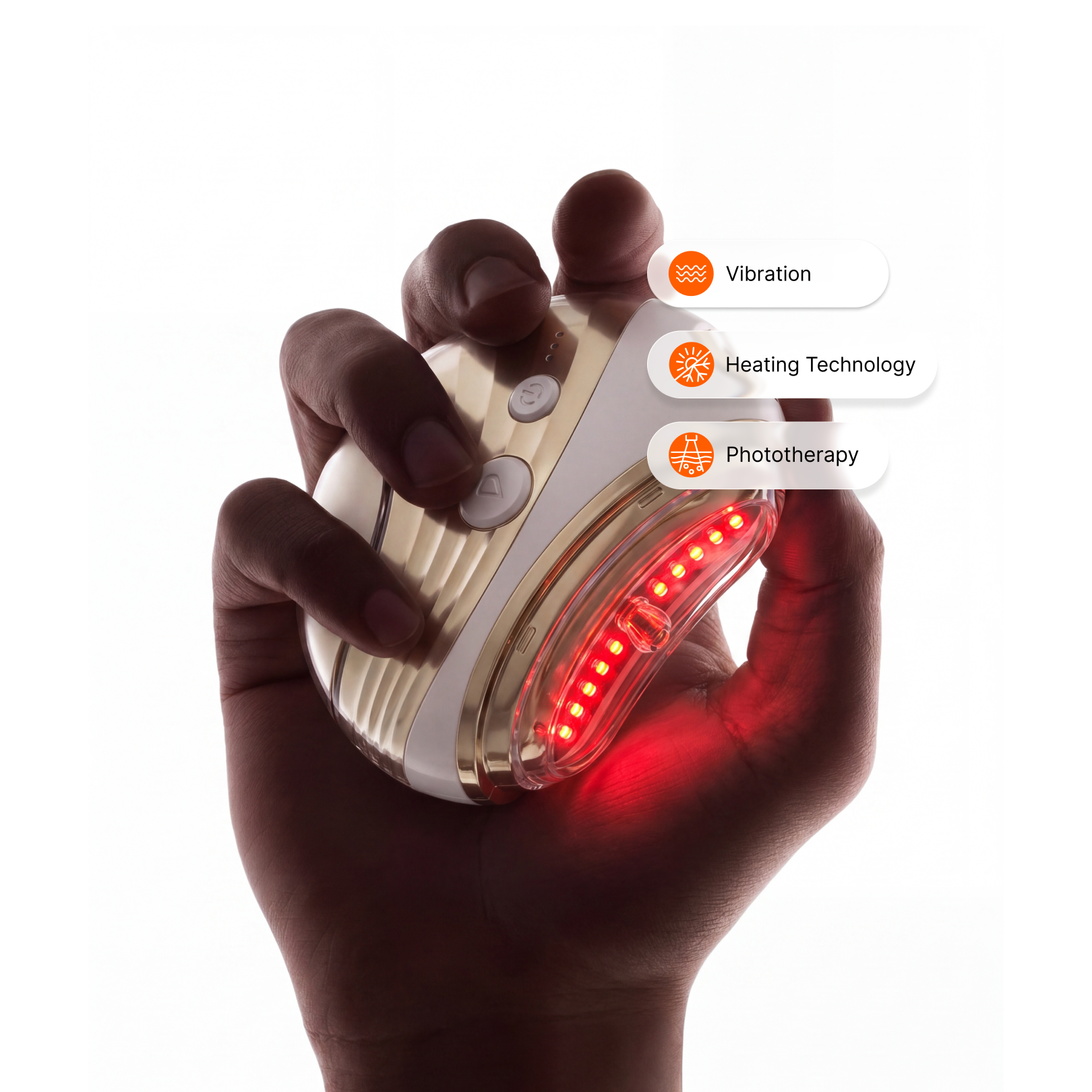
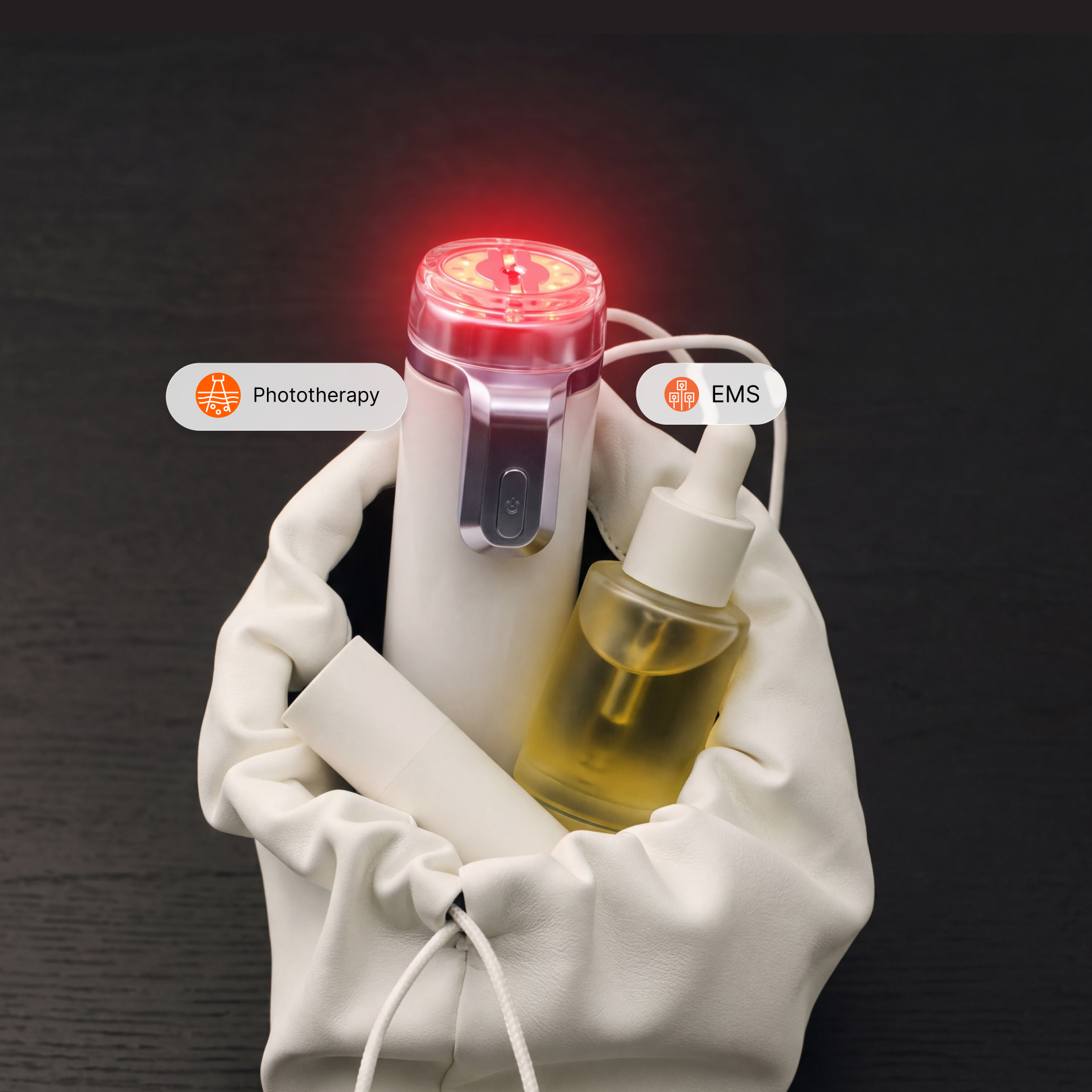
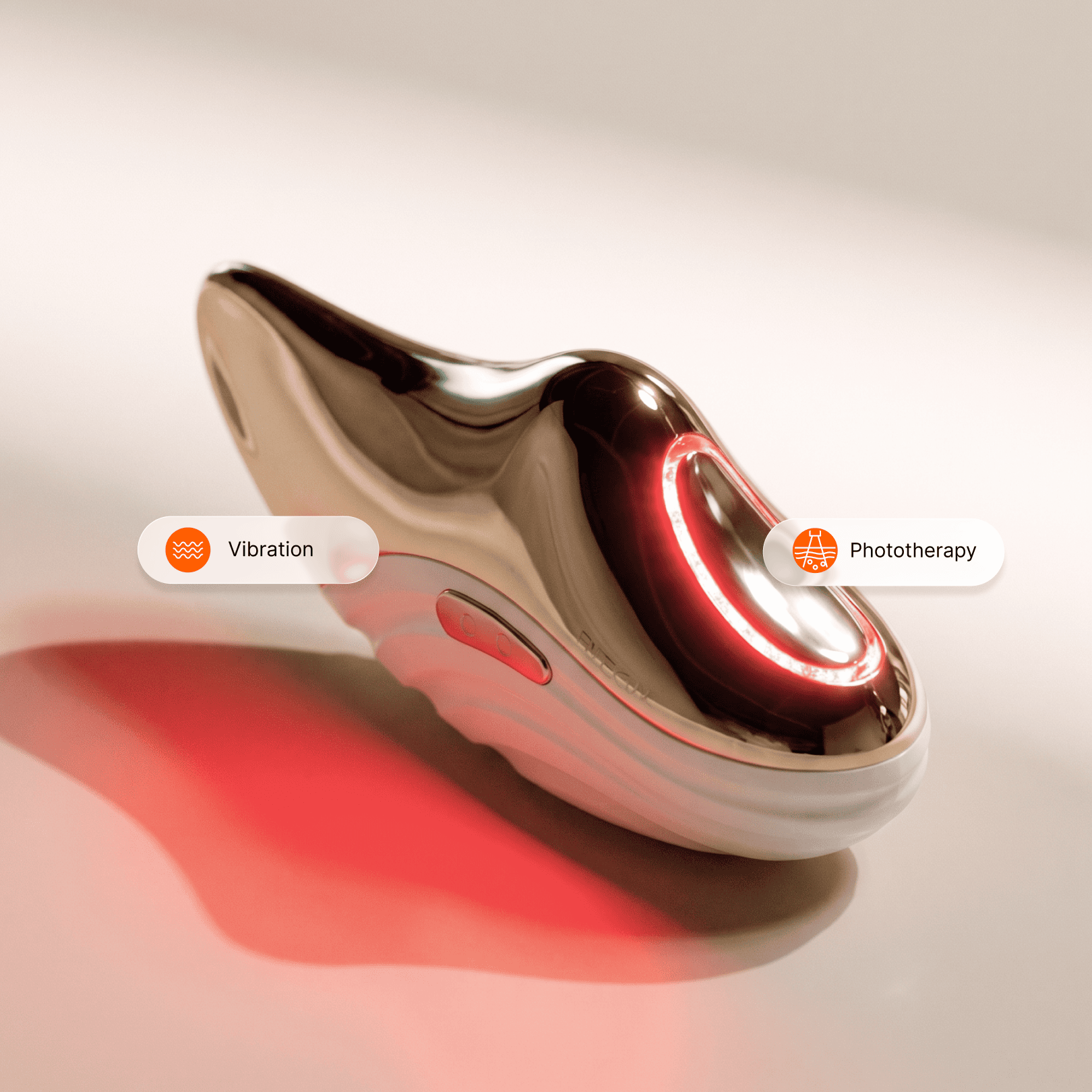
Light therapy can feel simple from the outside: an applicator turns on, light reaches the skin, and care begins. But for people who want treatment to fit more naturally into daily life, simplicity matters. Nobody wants technology that feels difficult, uncomfortable, or tied only to a clinic setting. This is why compact design has become such an important direction in phototherapy. Smaller applicators can make light-based care feel more accessible, personal, and realistic.
But compact does not mean easy. When phototherapy becomes smaller, engineers must protect the quality of the light, the safety of the system, and the comfort of the person using it. That is where the real challenge begins: balancing heat management, power optimization, LED performance, and miniaturization in one reliable technology-integrated applicator.
Compact phototherapy refers to light therapy technology designed in smaller, more portable formats. These may include handheld applicators, wearable systems, or home-use solutions that are easier to fit into everyday routines. The goal is not simply to reduce size. Compact phototherapy must still deliver controlled light at the right wavelength, intensity, and treatment area.
This matters because accessibility can affect consistency. When an applicator is easier to use, people may be more likely to follow treatment guidance and include care in their daily lives. Compact designs can also reduce the friction of clinic-based treatment by making light therapy more practical outside traditional settings. In everyday life, this could mean more flexible routines, less disruption, and a more comfortable experience for users who need ongoing support.
Heat management is one of the most important engineering challenges behind compact phototherapy applicators. LEDs and electronic components naturally generate heat during use, and smaller systems have less room for that heat to spread or escape. In larger clinical systems, engineers may use bigger heat sinks, fans, or wider surfaces to manage temperature.
Compact applicators often cannot rely on those options without becoming bulky. If heat is not controlled, it may reduce LED efficiency, shorten technology lifespan, or create discomfort during use. It may also affect light stability because LED output can shift when temperatures rise. Good thermal design may include heat-spreading materials, careful internal layouts, temperature sensors, and automatic controls that adjust performance when needed.
Another key challenge is delivering enough power without sacrificing portability. Home-based phototherapy often relies on smaller batteries or limited energy sources, so the device must provide sufficient light while remaining lightweight, easy to recharge, and practical for everyday use.
This balance is difficult to achieve. More light output usually requires more energy, but higher energy demand can shorten battery life and increase heat. Poor power design may lead to unstable performance, frequent charging, or an applicator that feels too heavy for regular use.
To solve this, engineers must design efficient circuits, reduce energy loss, and carefully control how power is delivered to the LEDs. Smart dosing systems and low-power electronics can help compact phototherapy systems remain convenient while still supporting consistent light delivery.
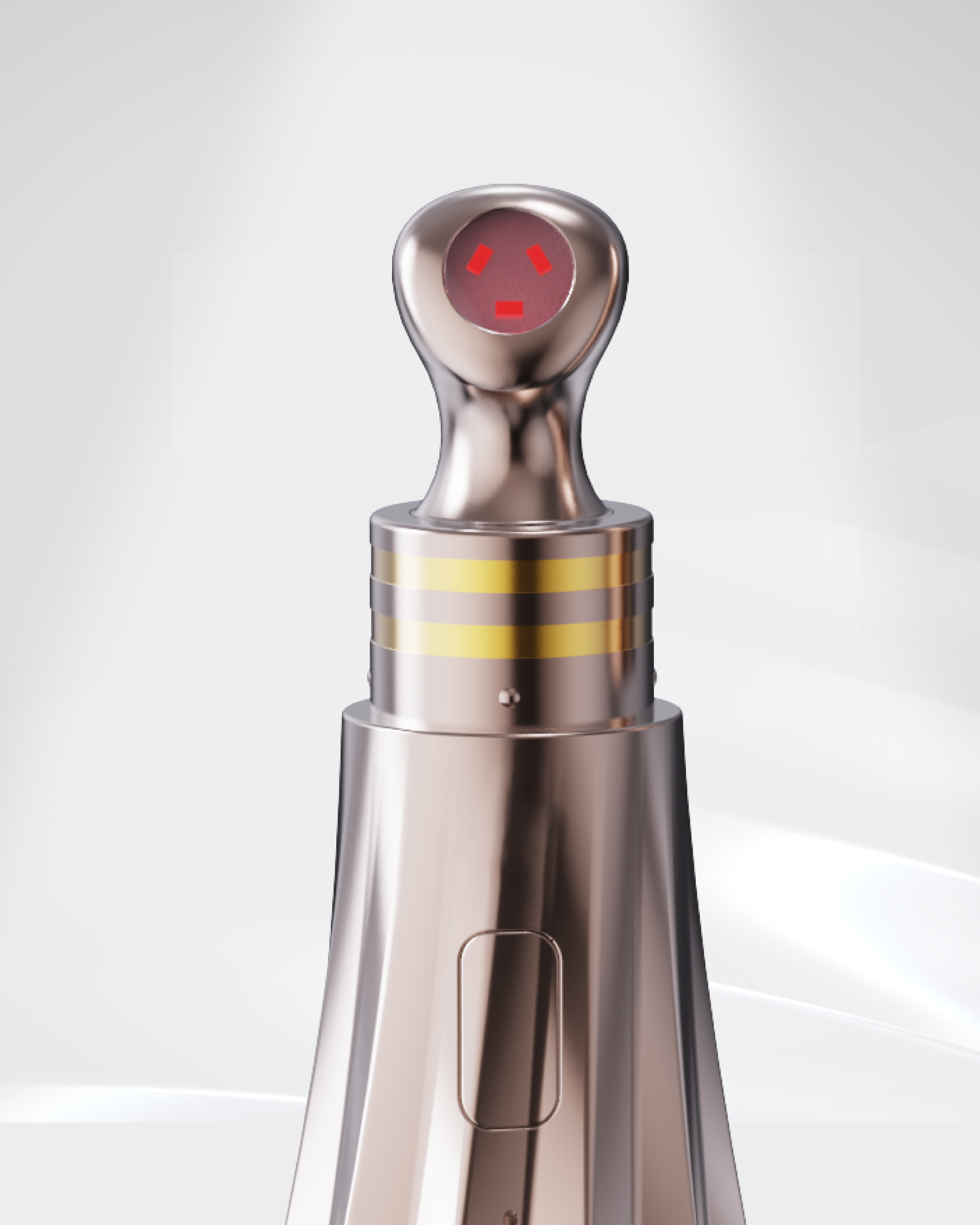
A third challenge is making sure the light reaches the skin evenly and consistently. In compact red light therapy devices, effective treatment depends on controlled light delivery, not simply stronger brightness. Engineers must consider wavelength, intensity, LED spacing, beam angle, and distance from the skin together.
One reason this is difficult is that each LED emits light in a cone rather than a straight column. When the device sits close to the skin, the light has less room to spread. This can create concentrated bright spots directly under the LEDs. If the LEDs are spaced too far apart, the light cones may not overlap enough, leaving weaker areas between them.
To solve this, engineers may use carefully arranged LED arrays and optical elements such as lenses, reflectors, or diffusers. These help guide and scatter the light more evenly, creating a smoother layer of red light across the treatment area while supporting comfort, precision, and reliable performance.
Research on miniaturized medical technology often shows that shrinking a system creates both opportunity and technical pressure. Smaller formats can improve portability, comfort, and user access, but they also make engineering trade-offs more visible. Space becomes limited, so the battery, LEDs, sensors, circuit board, housing, and safety systems must all work together in a tighter design (Wang et al., 2025).
A key finding from miniaturization studies is that success depends on system-level integration, not just smaller parts. Improving one area can affect another. For example, increasing LED output may improve light intensity, but it can also raise heat and power demand. This is why compact phototherapy requires careful coordination between thermal design, power control, optical engineering, and user safety.
Bringing phototherapy into everyday life means making the experience easier, safer, and more realistic for regular use. For Nuon Medical, compact phototherapy can be understood as more than a smaller applicator. It is about creating a care experience that fits into real routines without feeling overwhelming. This includes thoughtful attention to comfort, usability, light consistency, and practical design.
Compact LED technology can support this shift by making applicators lighter, more energy-efficient, and easier to integrate into portable formats. But the most important goal is not size alone. It is balanced. A well-designed technology-integrated applicator should help people access light-based care with confidence, while still respecting the engineering standards needed for safety and performance.
Does compact phototherapy mean weaker treatment?
No. Compact phototherapy does not automatically mean weaker performance. A smaller applicator can still be effective when it is engineered with the right wavelength, intensity, coverage, and safety controls.
Why is heat management so important in compact LED phototherapy?
Heat affects comfort, LED efficiency, technology lifespan, and light stability. Because compact systems have less space for cooling, thermal design becomes a major part of safe and reliable performance.
Why does miniaturization make phototherapy harder to design?
Miniaturization creates less room for batteries, LEDs, sensors, circuits, and heat control. Engineers must design the whole system carefully so the applicator remains compact without losing consistency, safety, or usability.
Explore how compact LED light-therapy tools can be thoughtfully engineered with Nuon Medical, where practical design meets everyday care.
.svg)
.svg)

.svg)

.png)

.png)


.svg)

.svg)
.svg)
.svg)
.svg)
.svg)
.svg)
.svg)
.svg)

.svg)
.svg)


.svg)