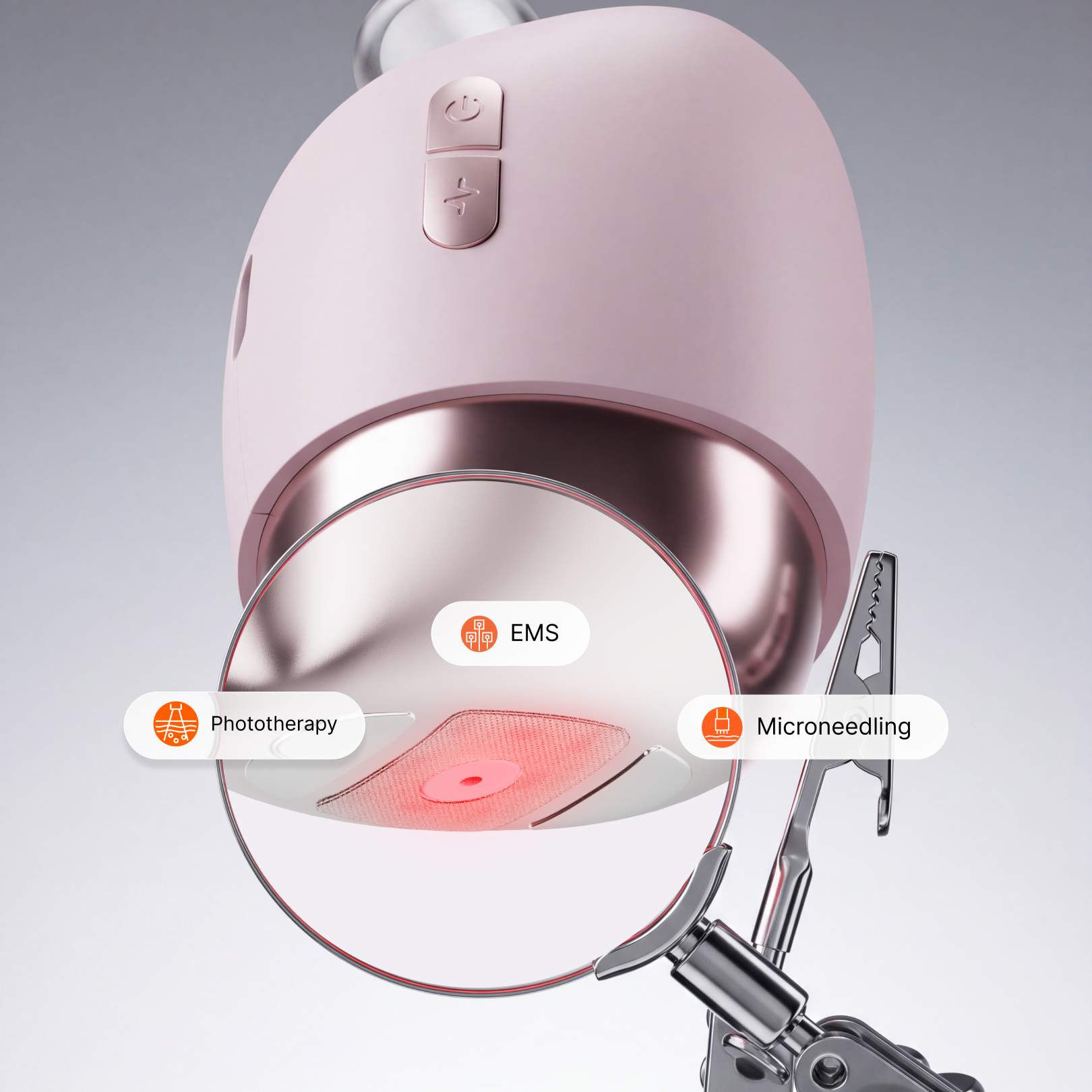
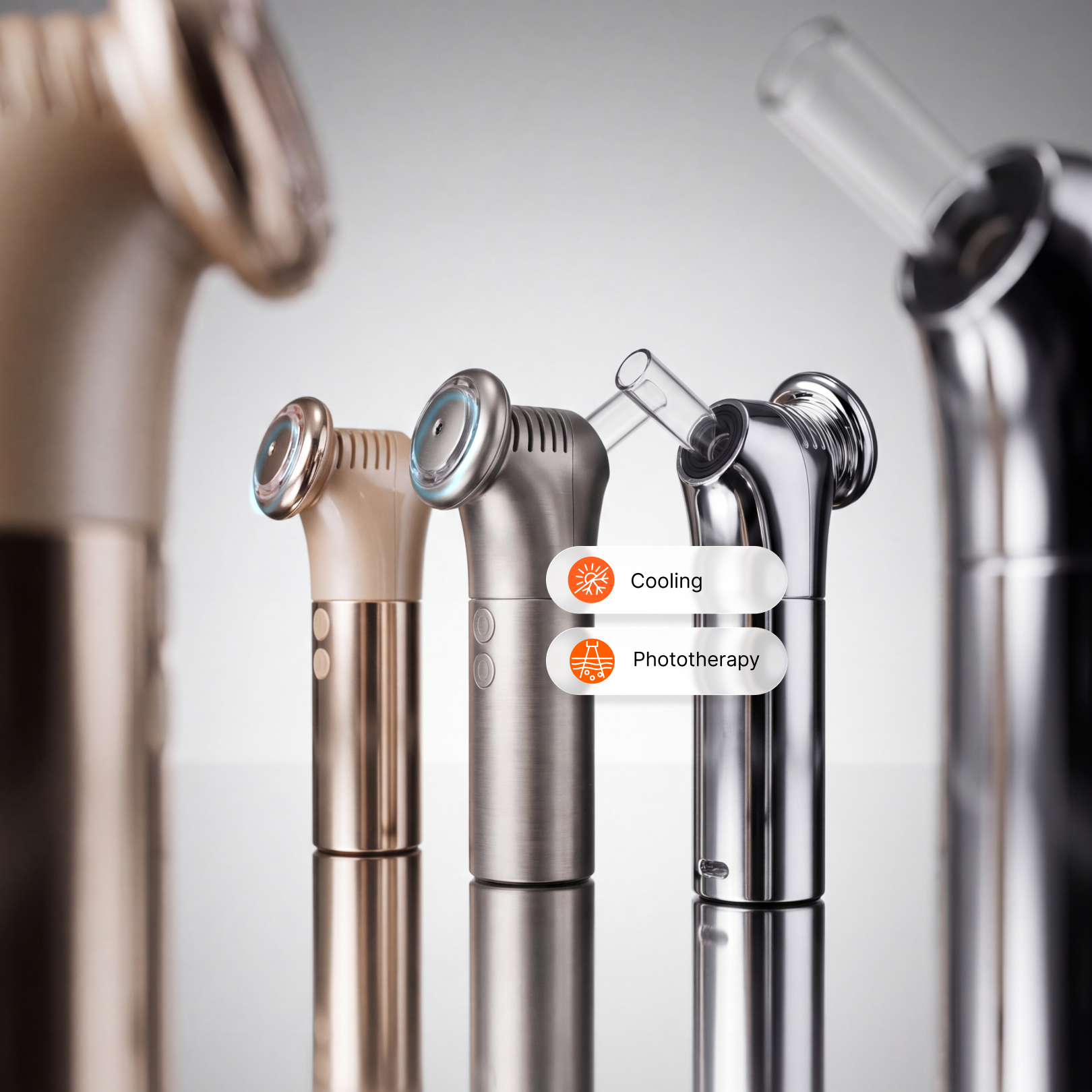
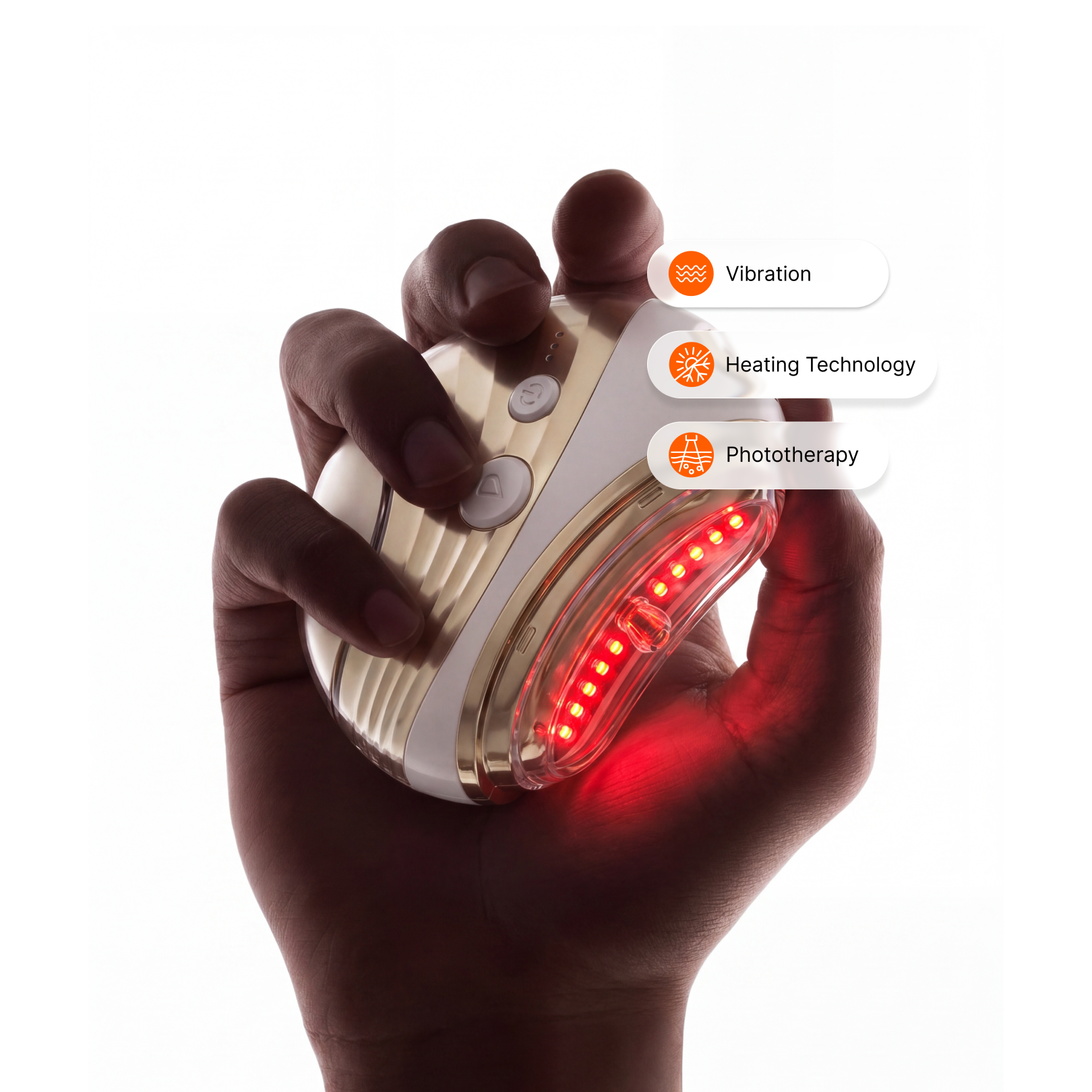
In skincare innovation, speed is often mistaken for efficiency. Teams move quickly into product packaging prototyping, building early concepts to test new applicators, dispensing systems, or user experiences. On the surface, rapid packaging prototyping feels productive.
But many projects slow down later. Costs increase. Timelines stretch. The reason is simple. Most inefficiencies don’t come from moving too slowly. They come from buildings without alignment. This is especially critical in cosmetic applicator development, where packaging is no longer passive. The applicator is the system that delivers the formula, interacts with the skin, and influences performance.
Unlike standalone LED devices or beauty tools, technology-integrated applicators must work in sync with formulation, structure, and real usage. Without that coordination, rapid prototyping leads to repeated rework rather than progress.
Rapid packaging prototyping is valuable, but speed without clarity often introduces hidden costs. Early prototypes are frequently designed around user experience or visual direction, while key technical factors are not fully defined. As development progresses, issues begin to surface. Dispensing may not match formulation viscosity, selected materials may affect ingredient stability, and integrated technologies may conflict with packaging constraints.
When these problems appear late in the product packaging development process, prototypes need to be revised. Each revision requires new samples, additional engineering time, and repeated validation. What initially looks like fast progress quickly turns into costly iteration, extending both timelines and resource use.
Most resource loss happens before production, during packaging prototype development.
Misalignment Between Formula and Applicator. Applicators are often designed without fully understanding how the formula behaves. This leads to inconsistent dosing, poor spreadability, or performance gaps.
Undefined Validation Criteria. Teams begin prototyping without clear success metrics. Without defined benchmarks, results are subjective, and iteration continues without direction.
Uncontrolled Iteration Cycles. Iteration is necessary. But without structure, it becomes trial and error. Small uncertainties early in the new product packaging development process compound into repeated redesign cycles.
Optimizing resources in product packaging prototyping requires structure, not just speed. A disciplined approach ensures that each iteration contributes to progress rather than creating unnecessary rework.
Define What Must Be Validated First. Not all variables need to be tested at the same time. Early prototypes should focus on the most critical risks, such as dispensing accuracy, compatibility with the formulation, and the feasibility of integrated technologies. By prioritizing these factors first, each iteration generates meaningful technical insight instead of surface-level feedback.
Align Technical Constraints Early. Before prototypes are built, teams should evaluate key constraints including mechanical feasibility, material compatibility, and manufacturing limitations. Addressing these factors early prevents situations where promising concepts must be redesigned later due to overlooked technical restrictions.
Establish Decision Checkpoints. Each prototype should be built to answer a specific question. Clear decision checkpoints ensure that development moves forward with intent rather than assumption. This keeps the product packaging development process controlled, with each step contributing directly toward a viable, scalable solution.
This is where many brands miscalculate. Packaging and devices are often treated as separate elements, but in modern skincare, the applicator is neither. It functions as a technology-integrated delivery system that directly influences how a formulation performs.
Unlike standalone LED tools that operate independently from the product, cosmetic applicators must consistently dispense the formula, support absorption or performance, fit within packaging constraints, and align with real user behavior. This creates a more complex development challenge, requiring early coordination between formulation, engineering, and design rather than treating them as isolated steps.
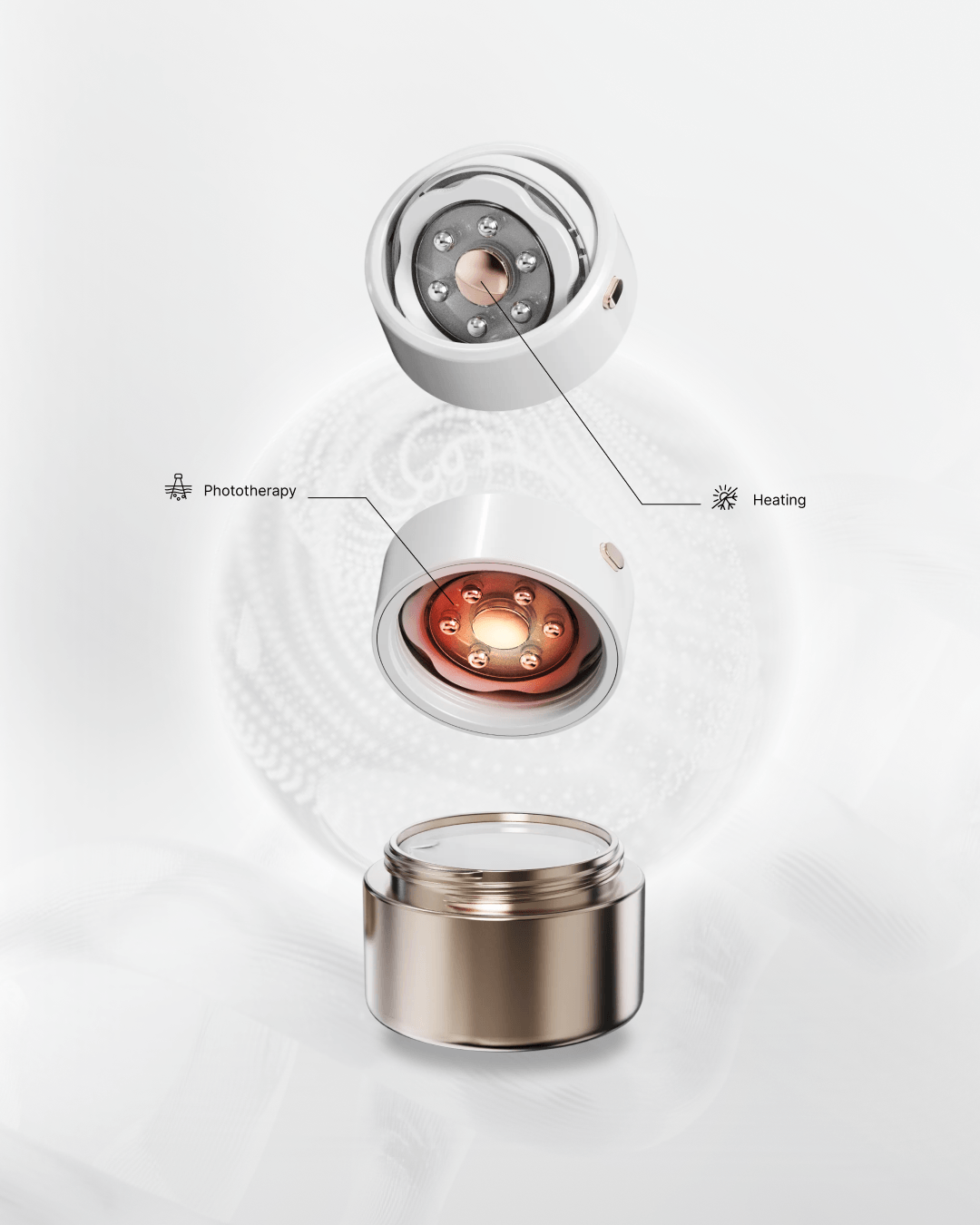
Nuon Medical focuses specifically on technology-integrated applicators as packaging solutions, rather than standalone beauty devices. We engineer packaging systems that actively enhance how formulations perform on the skin. Our approach to product packaging prototyping is built on early definition of validation priorities, clear alignment between formulation, applicator, and technology, and controlled decision checkpoints throughout development.
This structured process reduces unnecessary iteration and ensures that each prototype contributes to a scalable, production-ready solution. Instead of building multiple versions without direction, brands move through the product packaging development process with greater clarity and control.
1. What is product packaging prototyping?
It is the process of creating early models of packaging systems, including applicators, to evaluate functionality, usability, and technical feasibility before production.
2. Why is rapid packaging prototyping important?
It allows teams to test ideas early. But without a structured product packaging development process, it can lead to unnecessary iteration.
3. How can brands reduce costs during prototyping?
By defining validation priorities early, aligning technical constraints before building, and introducing decision checkpoints throughout development.
Explore how Nuon Medical designs technology-integrated applicators for scalable product development.
.svg)
.svg)

.svg)

.png)

.png)


.svg)

.svg)
.svg)
.svg)
.svg)
.svg)
.svg)
.svg)
.svg)

.svg)
.svg)


.svg)