LED skincare is everywhere now. From glowing masks and red light panels to targeted devices, light-based beauty has become one of the most talked-about directions in skincare. It feels futuristic, sensorial, and full of promise.
However, as phototherapy becomes more common, one question rises: is the product delivering real light-based treatment, or is it simply using LEDs to look advanced?
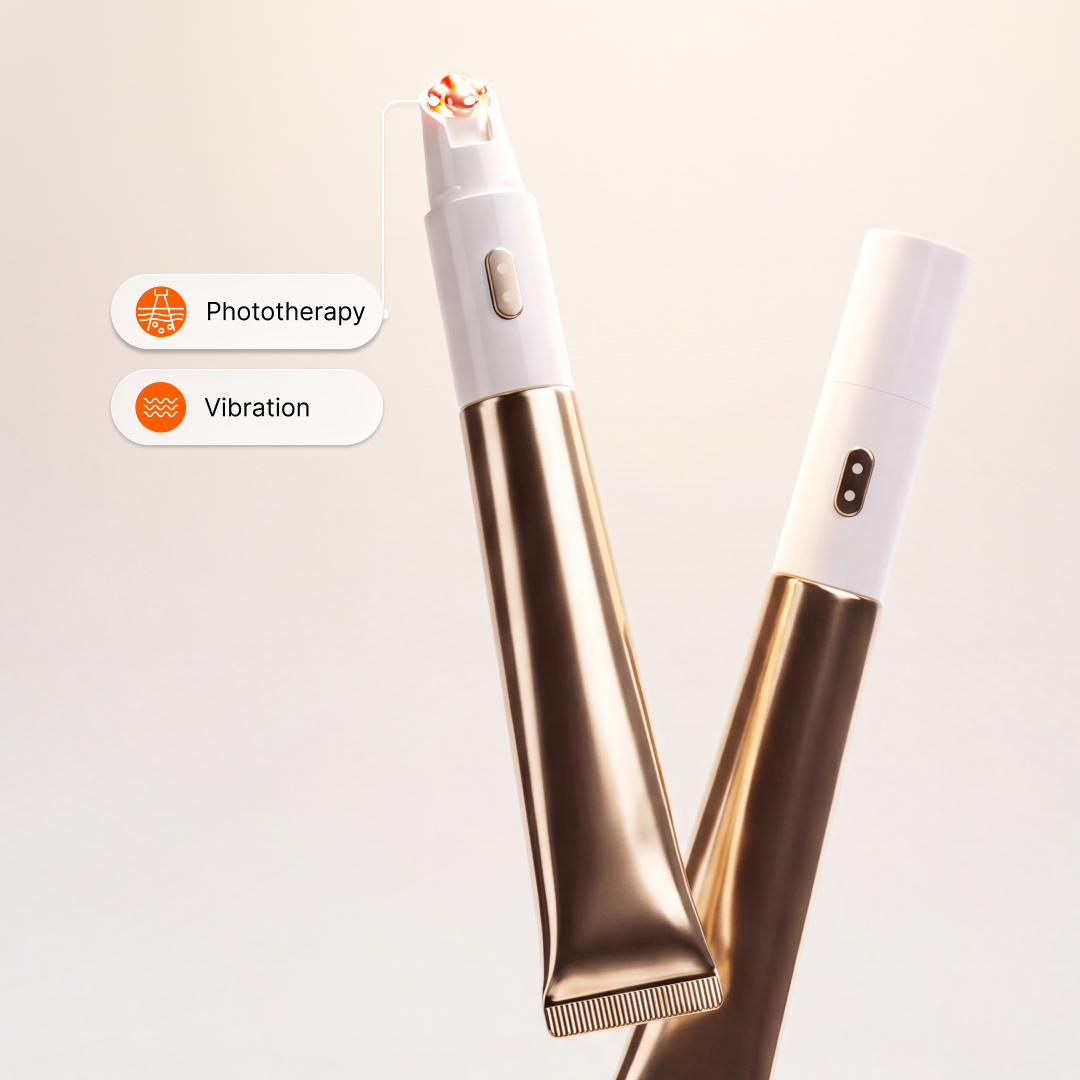
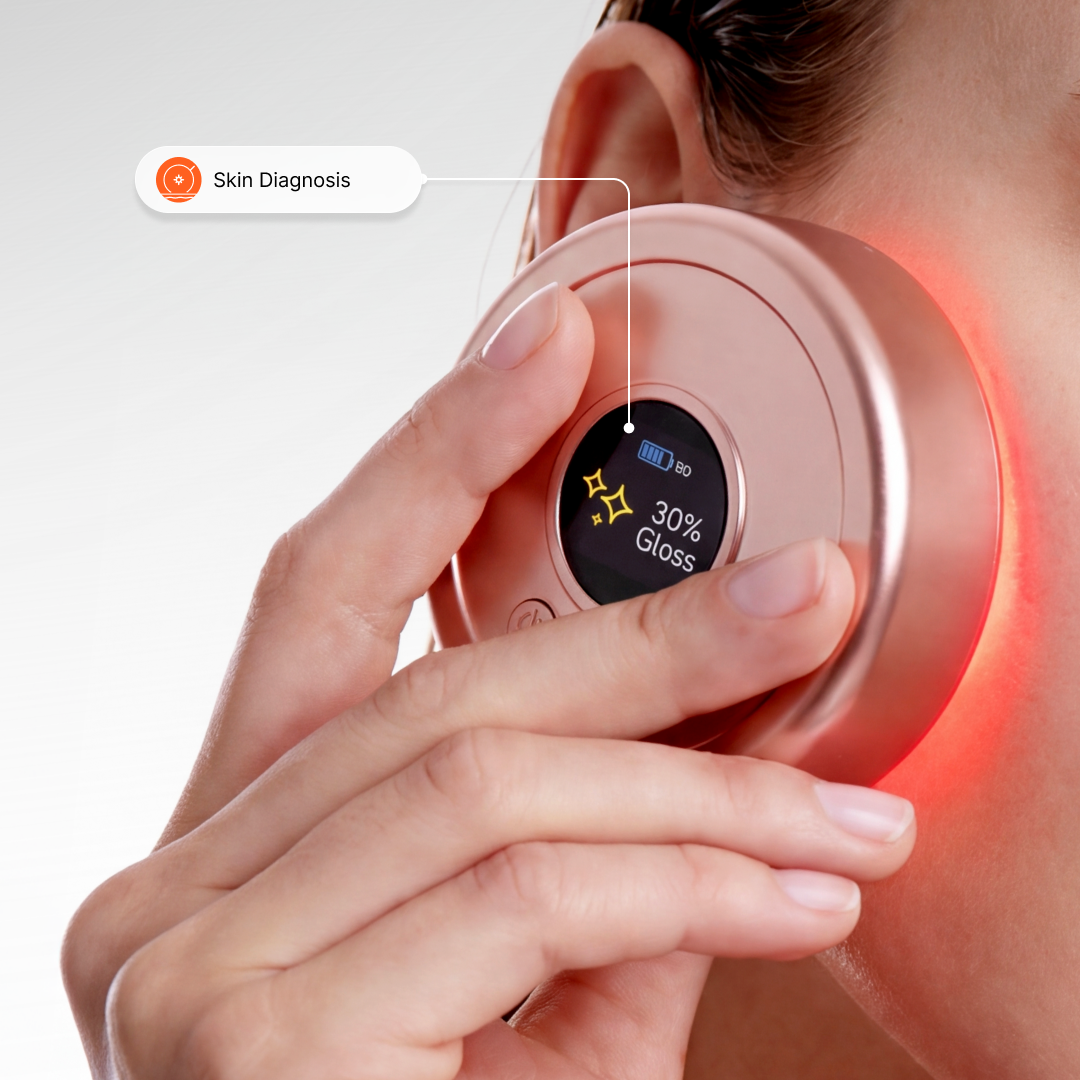
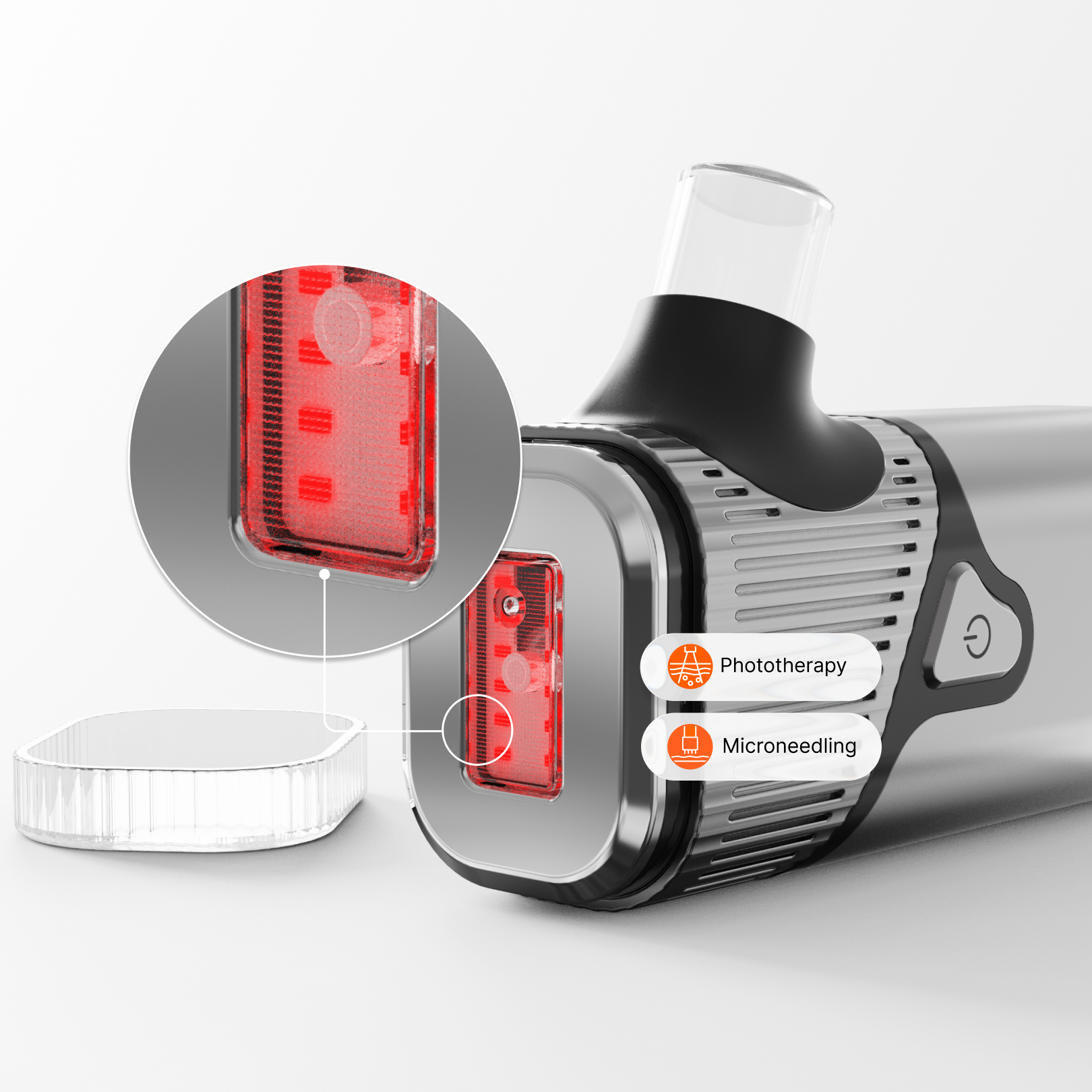
This is the difference between aesthetic LED usage and engineered phototherapy. One uses light as a marketing feature. The other designs light as a functional skincare technology. Nuon Medical focuses on the second approach: building technology-integrated skincare applicators and packaging where light delivery, structure, and user experience work together.
Phototherapy is the use of specific light wavelengths to create a beneficial effect in the skin. In skincare, red light and near-infrared light are often associated with skin rejuvenation, visible firmness, smoother texture, support for tired or photoaged skin, and recovery from sunburn.
But real phototherapy is not defined by the presence of LEDs alone. The result depends on how the light is delivered. Wavelength, intensity, exposure time, treatment distance, coverage, and consistency all shape whether the device can do more than simply glow.
This is where many LED beauty products become unclear. They may mention red light, collagen, or radiance, but give little detail about how the treatment actually works. A stronger product begins with engineering: choosing the right light source, controlling the way it reaches the skin, and designing the applicator so the user can repeat the treatment easily.
A bright device is not automatically an effective one. The more important measurement is irradiance, also known as power density. Irradiance describes how much light energy reaches each square centimeter of skin, usually measured in mW/cm².
This matters because red light treatment depends on dose. If the energy is too weak, the skin may not receive enough stimulation. If the output is poorly controlled, the experience may feel impressive without delivering consistent benefit.
Distance is just as important. A light measured directly at the LED surface may appear powerful, but the energy can drop once the device is used a few centimeters away from the face. That is why a well-designed LED skincare applicator should guide the user naturally into the correct treatment distance.
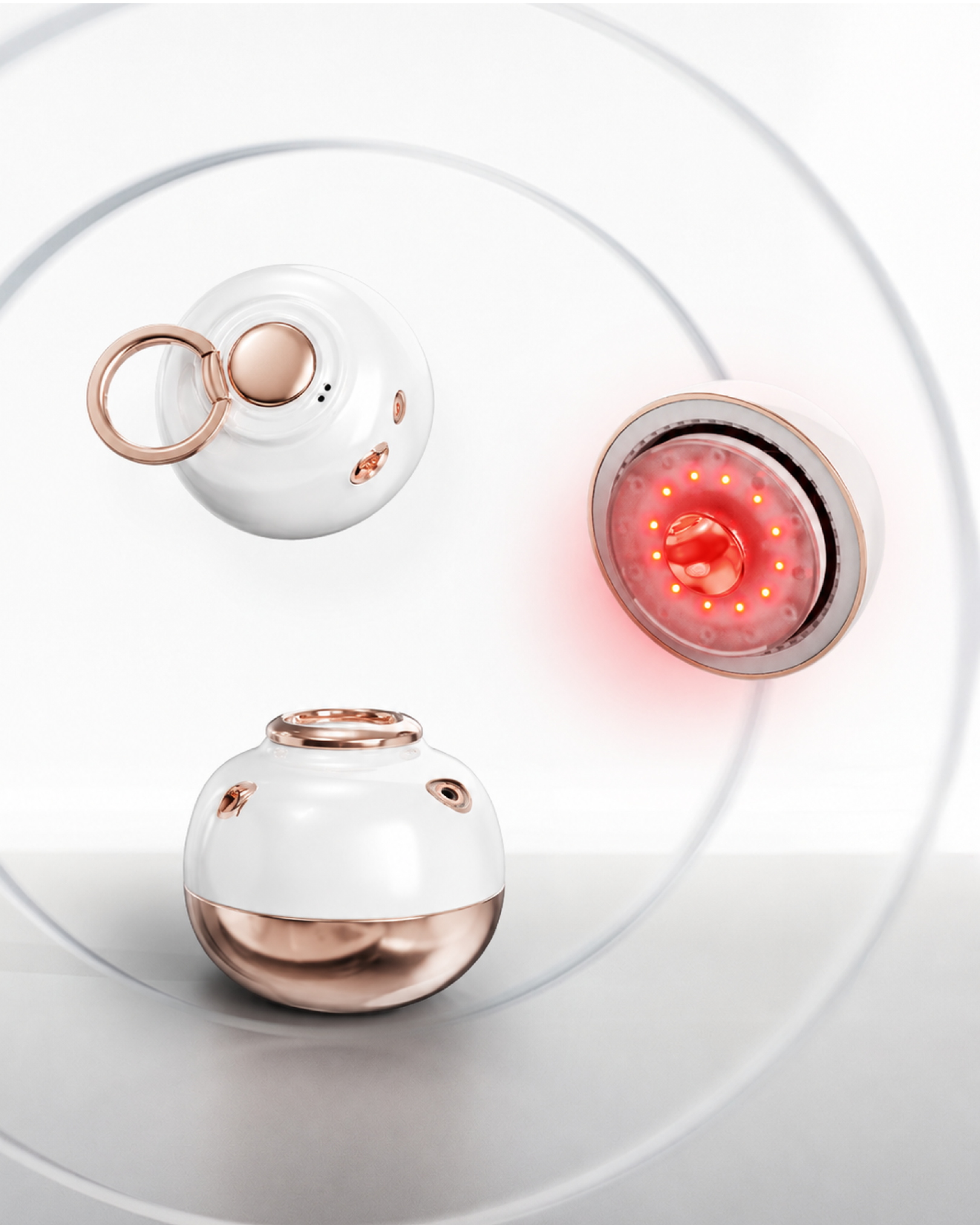
LED count is important, but so is the placement of each bulb.
The face is not a flat surface. The nose, cheeks, lips, under-eye area, forehead, and jawline all curve differently. Because of this, a poorly-designed LED device may not deliver the same amount of light to every area. Some zones sit close to the LEDs, while others remain farther away or partially shadowed. Even if an LED mask appears to cover the whole face, the treatment may not be fully even.
A more thoughtful design looks at how people actually use skincare. Instead of relying only on a fixed mask, the product can use a targeted head, flexible light structure, panel format, or movable applicator that allows the user to guide treatment across specific areas.
Red light treatment can work on its own when the device is properly designed and used consistently. But in real skincare routines, the best experience often comes from pairing light treatment with the right formula.
Active ingredients can support what the light treatment is trying to achieve. Antioxidant ingredients can help defend against oxidative stress while hydrating and barrier-supporting ingredients can keep the skin comfortable, resilient, and prepared for regular use.
This is especially important when light technology is built into packaging or an applicator. The device is not separate from the skincare ritual; it becomes part of how the product is applied. That is where the experience becomes more complete: formula, applicator, and light working together.
Research on red and near-infrared LED treatment suggests that visible skin improvement is possible when the treatment is delivered with the right parameters and repeated over time. Studies on red light and near-infrared light have explored improvements in skin texture, wrinkles, collagen-related activity, and signs of photodamage.
The key point is that results come from a controlled treatment approach, not from LED presence alone. Wavelength matters. So do power density, dose, exposure time, and treatment schedule. A product that only says “red LED” without explaining how the light is delivered leaves too much unanswered.
This is why engineered phototherapy looks different from aesthetic LED usage. It asks practical questions: What wavelength is selected? How much light reaches the skin? How close is the applicator during use? Is the coverage even? Can the user repeat the treatment naturally?
Nuon Medical develops technology-integrated skincare applicators and packaging that make advanced functions feel natural within a beauty routine. Instead of simply adding LEDs to a package, Nuon considers how efficiently each LED bulb performs, how closely the applicator contacts the skin, and how the topical formula works with the device. The goal is to create an integrated skincare ritual where formula application, facial massage, microcurrent, and red light treatment feel like one complete experience.
One example is the HD50 concept, a red light integrated applicator designed around the body of a cosmetic bottle. Its applicator head features 12 high-efficiency LED bulbs arranged around a microcurrent function, allowing users to choose different modes for facial toning and collagen-supporting care. The shape also allows users to move the applicator along the face and focus on the areas they want to treat, instead of relying on a fixed mask shape.
This is what separates engineered skincare technology from decorative LED use: the light is not just there to be seen, but to work with the skin, the formula, and the way people actually apply skincare.
How do I know if a red light device is effective?
Check for wavelength, irradiance, treatment distance, session time, and coverage. These details show whether the device is designed to deliver light consistently, not just glow. If a product only says “red LED” without explaining performance, it may be more of a beauty claim.
How can phototherapy boost a skincare routine?
Phototherapy can support visible skin quality while skincare formulas nourish and protect the skin. Ingredients like copper peptides, antioxidants, and hydrating actives can complement red light treatment, making the routine feel more complete and consistent.
How does Nuon Medical engineer phototherapy?
Nuon Medical builds phototherapy into the full applicator system, considering light source, power density, distance, skin contact, and formula flow. The goal is to make red light treatment controlled, comfortable, and natural to use.
Explore what becomes possible when skincare packaging is engineered not only to contain a formula, but to help activate the treatment experience with Nuon Medical.
.svg)
.svg)

.svg)

.png)

.png)


.svg)

.svg)
.svg)
.svg)
.svg)
.svg)
.svg)
.svg)
.svg)

.svg)
.svg)


.svg)