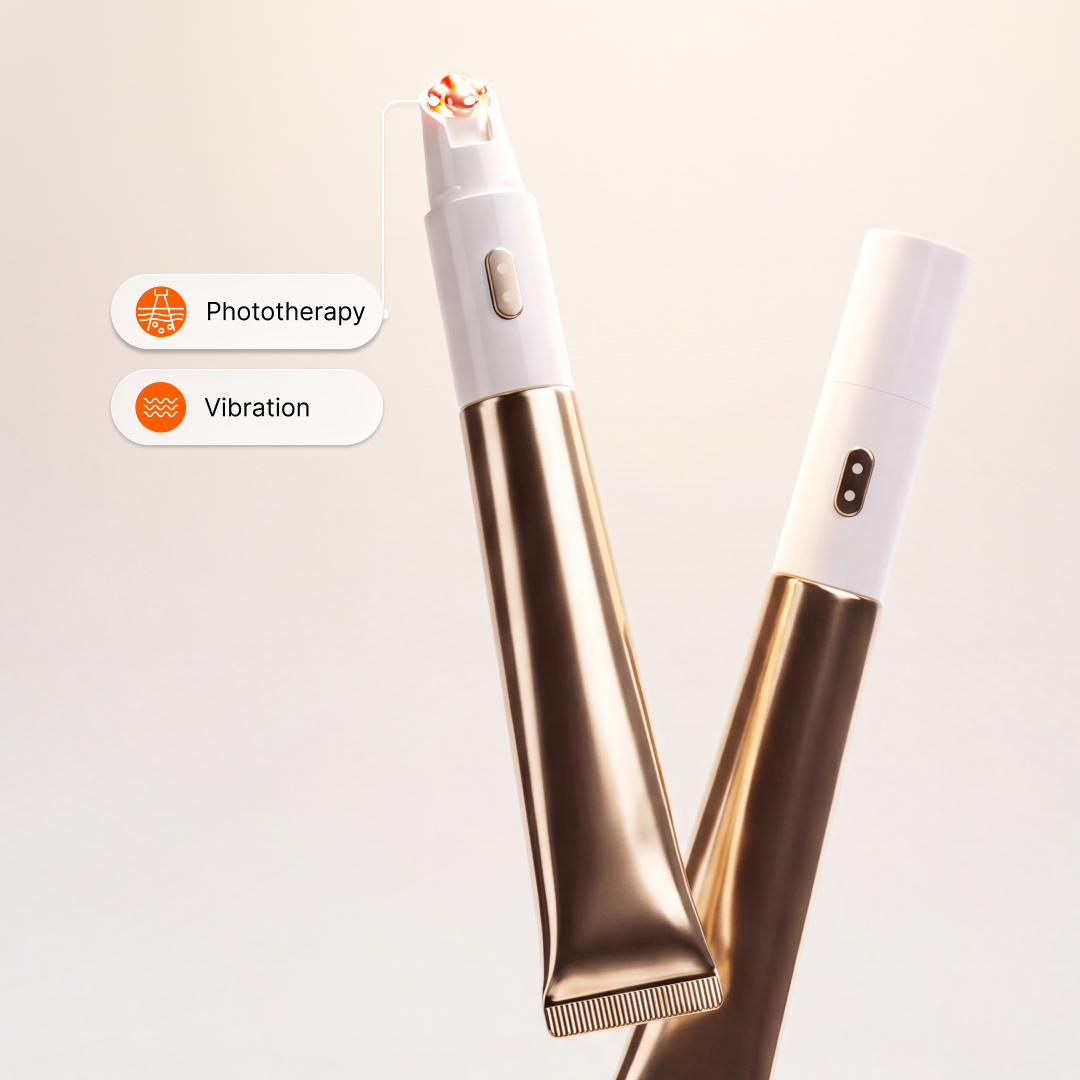
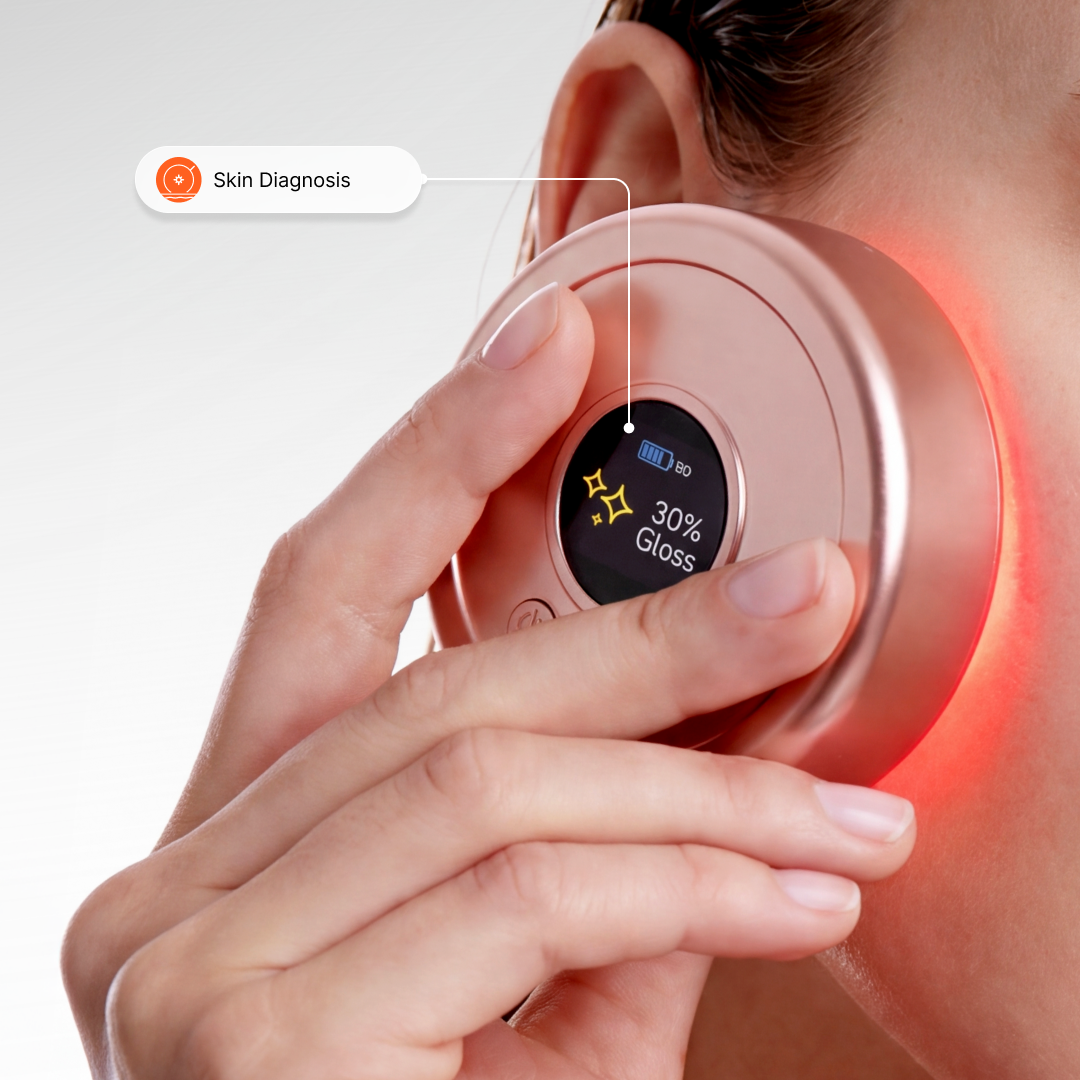
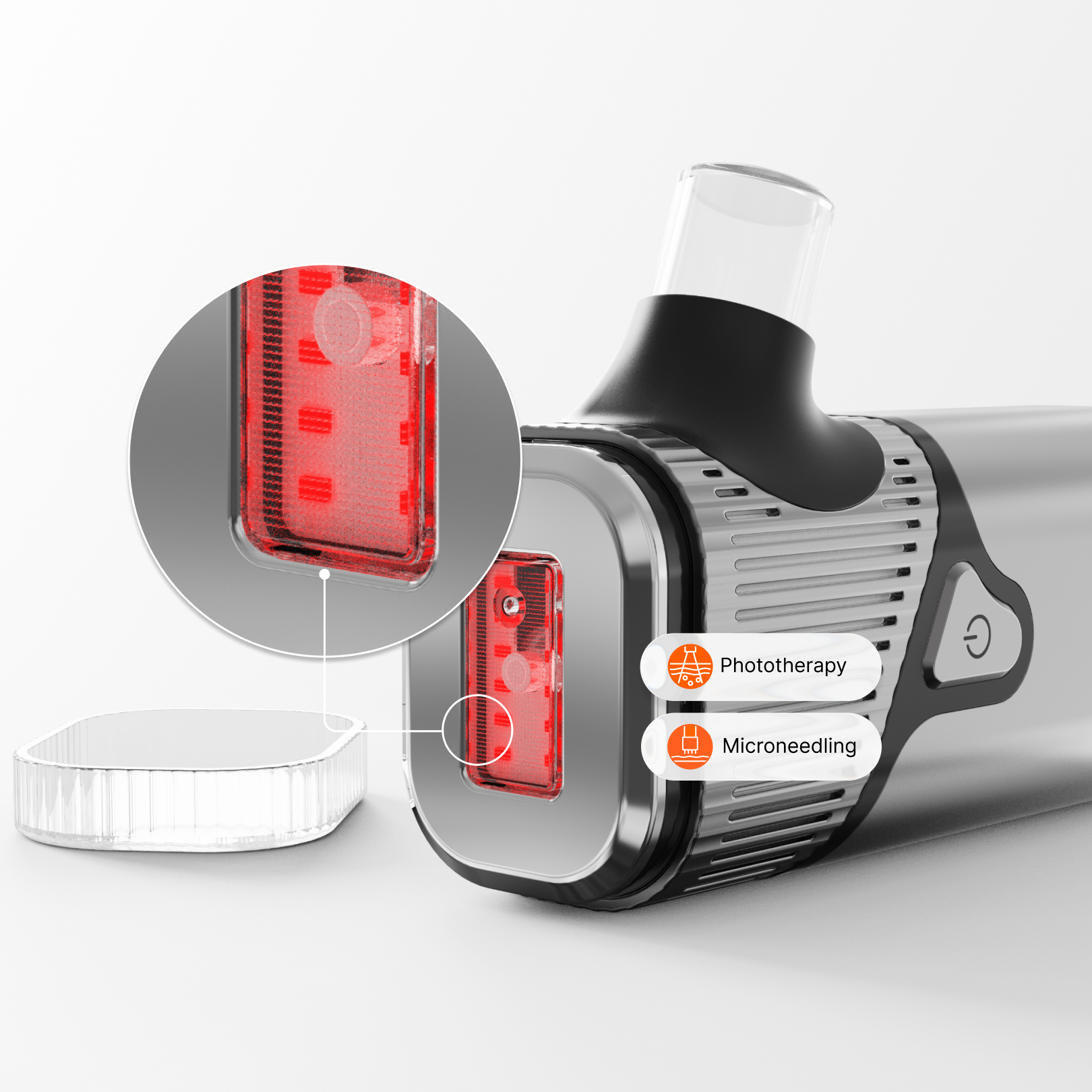
Even the most advanced ingredients can't perform if they never properly reach their destination. There is a physical gap between a formula’s potential and its actual results, and that gap is bridged by its packaging design. The applicator tip, the airtight cap, and the precision pump are the true controllers of product performance. When we realize that the bottle is the only thing standing between the science and the skin, it becomes clear: packaging is no longer about logistics. It’s about ensuring the formula actually works
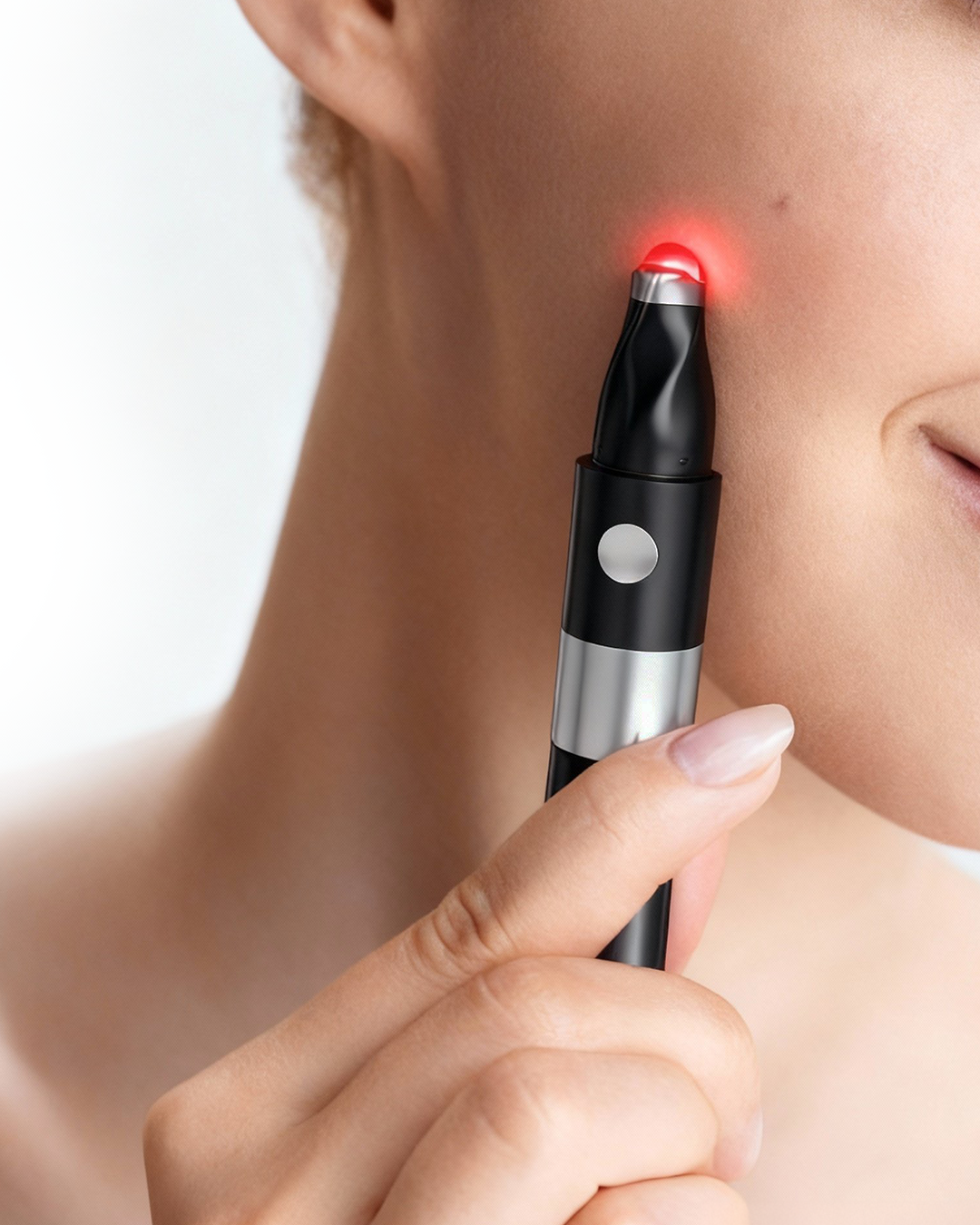
In the world of cosmetic development, skincare packaging has historically been optimized for everything that happens before the product reaches the consumer: shelf impact, brand aesthetics, and logistical efficiency. While we ensure the formula is protected during transport, we rarely engineer the packaging for the most critical moment: the transition from the bottle to the skin.
This creates a fundamental disconnect. While skincare performance is shaped at the moment of product application, the bottle is often treated as a passive container rather than a functional part of the treatment.
Once a product leaves the bottle, the responsibility for its efficacy is handed entirely to the user. Results are suddenly dictated by variables a lab cannot control: pressure, contact time, and movement.
Research suggests this "user variable" is the primary cause of inconsistent results. For example, a 2010 study revealed that a brief 30-second massage before applying a topical increased its uptake by nine times.
Even the most advanced formulations cannot overcome inconsistent application. This is why products that excel in controlled clinical environments often fail in the real world. The issue isn't the formula; it is the skincare delivery.
Skin does not respond to ingredients in isolation; it responds to mechanical interaction. Clinical data highlights four "application mechanics" that dictate how a formula performs:
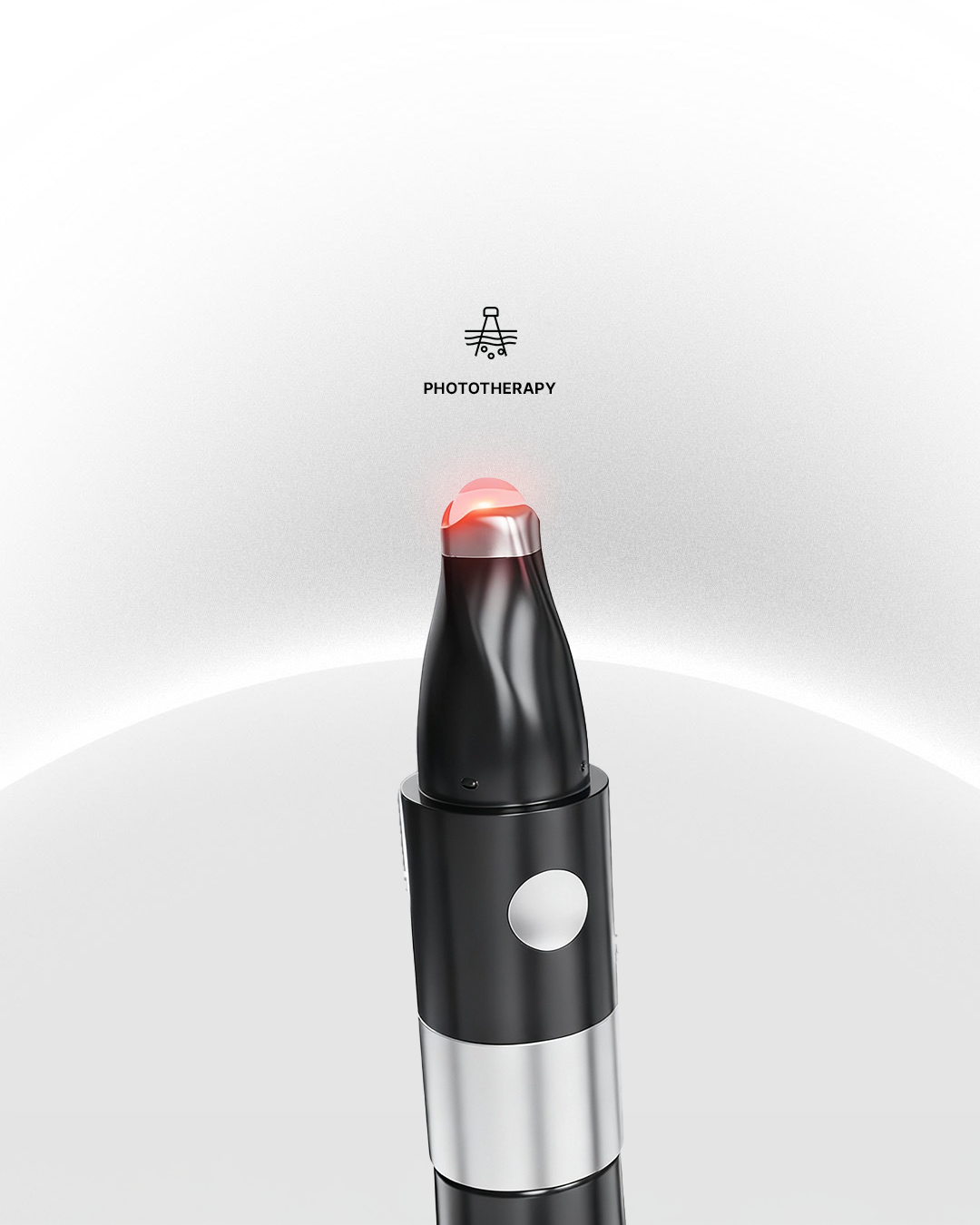
When packaging is engineered specifically for skin contact, it undergoes a transformation: it stops being a vessel and becomes a delivery performance interface. This type of packaging innovation is designed to dictate how a product behaves on the skin by "engineering out" human error.
Modern applicator design can now integrate technologies that were once exclusive to the clinic:
Transitioning to skin-first packaging offers brands a new lever for performance. Rather than chasing higher active concentrations (which can increase irritation and regulatory risk), brands can improve efficacy by optimizing the conditions of delivery.
This approach offers significant commercial benefits:
At Nuon Medical, we treat packaging as a functional system. We design application mechanics and absorption pathways alongside formulation goals, using integrated technologies to bridge the gap between the bottle and the skin.
Skincare results aren't won at the point of display. They are won at the point of skin contact.
.svg)
.svg)

.svg)

.png)

.png)


.svg)

.svg)
.svg)
.svg)
.svg)
.svg)
.svg)
.svg)
.svg)

.svg)
.svg)


.svg)