In 2026, skincare innovation is no longer driven by ingredient novelty alone. The strongest force shaping product development is user behavior.
Consumers are increasingly deliberate about how products fit into their daily skincare routines, how reliably they deliver results, and whether they feel safe, credible, and easy to use over time. This shift places new pressure on beauty brands to rethink not only formulation, but also how products are applied, experienced, and repeated day after day.
For brands and product teams, understanding skincare consumer behavior 2026 is no longer a marketing exercise. It is a development requirement. At Nuon Medical, user behavior is treated as a technical input that directly informs applicator design, technology selection, and packaging architecture.
One of the defining 2026 skincare trends is how users define efficacy. Performance is judged by visible and tactile outcomes achieved through regular use, not by the complexity of the ingredient list.
Users expect products to:
- Deliver noticeable improvement within realistic timeframes
- Feel active during application, reinforcing confidence in performance
- Produce consistent results when used daily
This exposes a recurring limitation in traditional cosmetic development. Even well-formulated products underperform when absorption is inefficient or application is inconsistent.
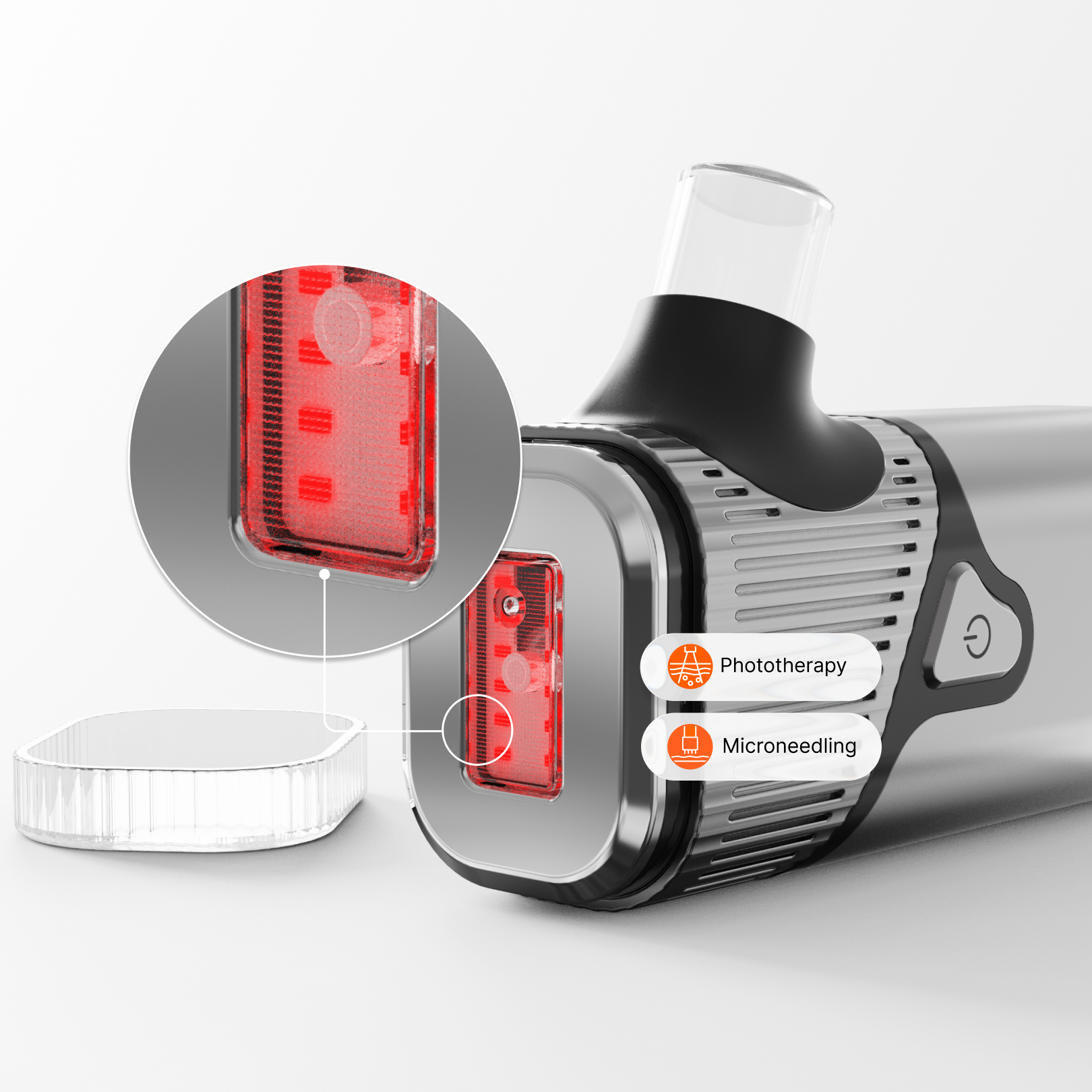
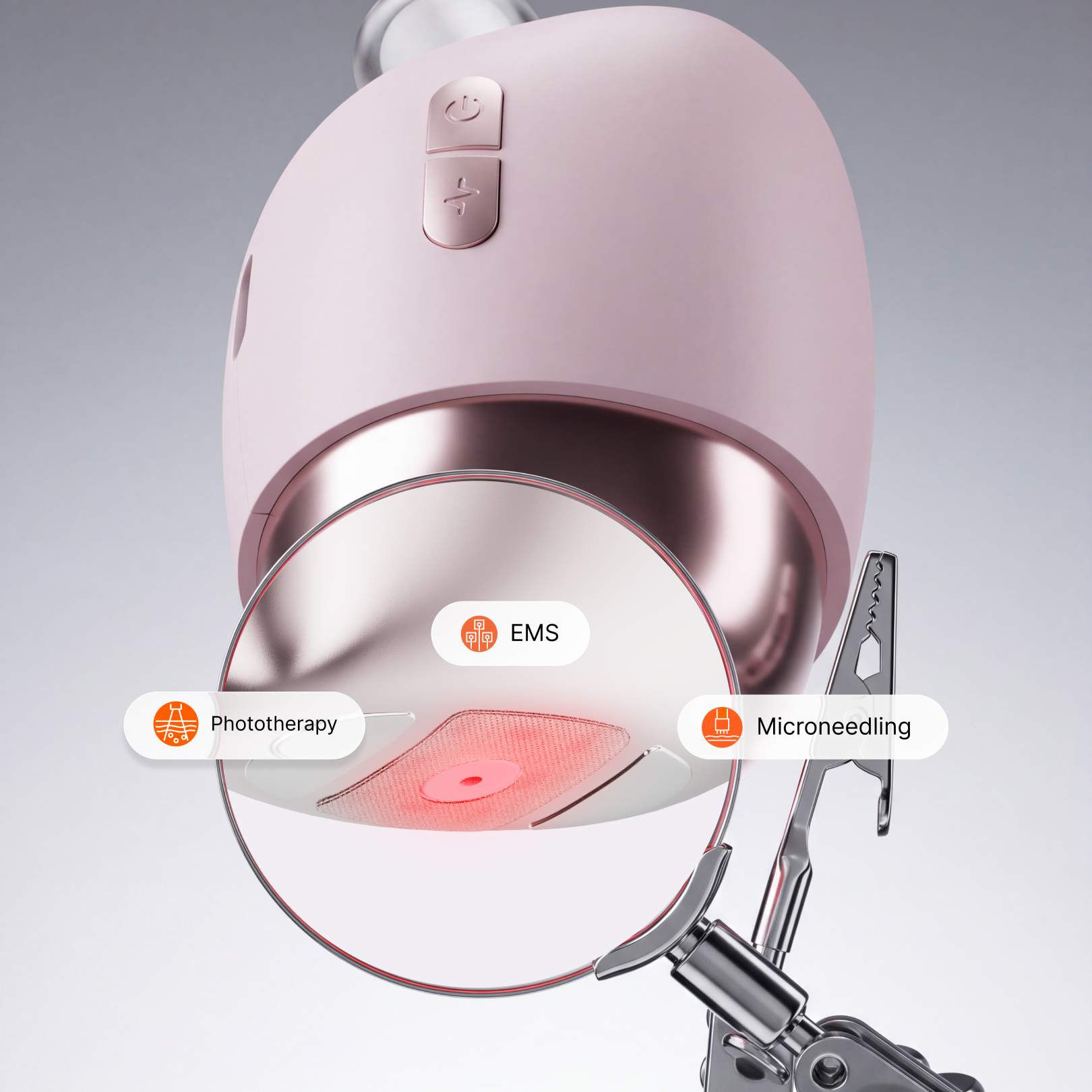
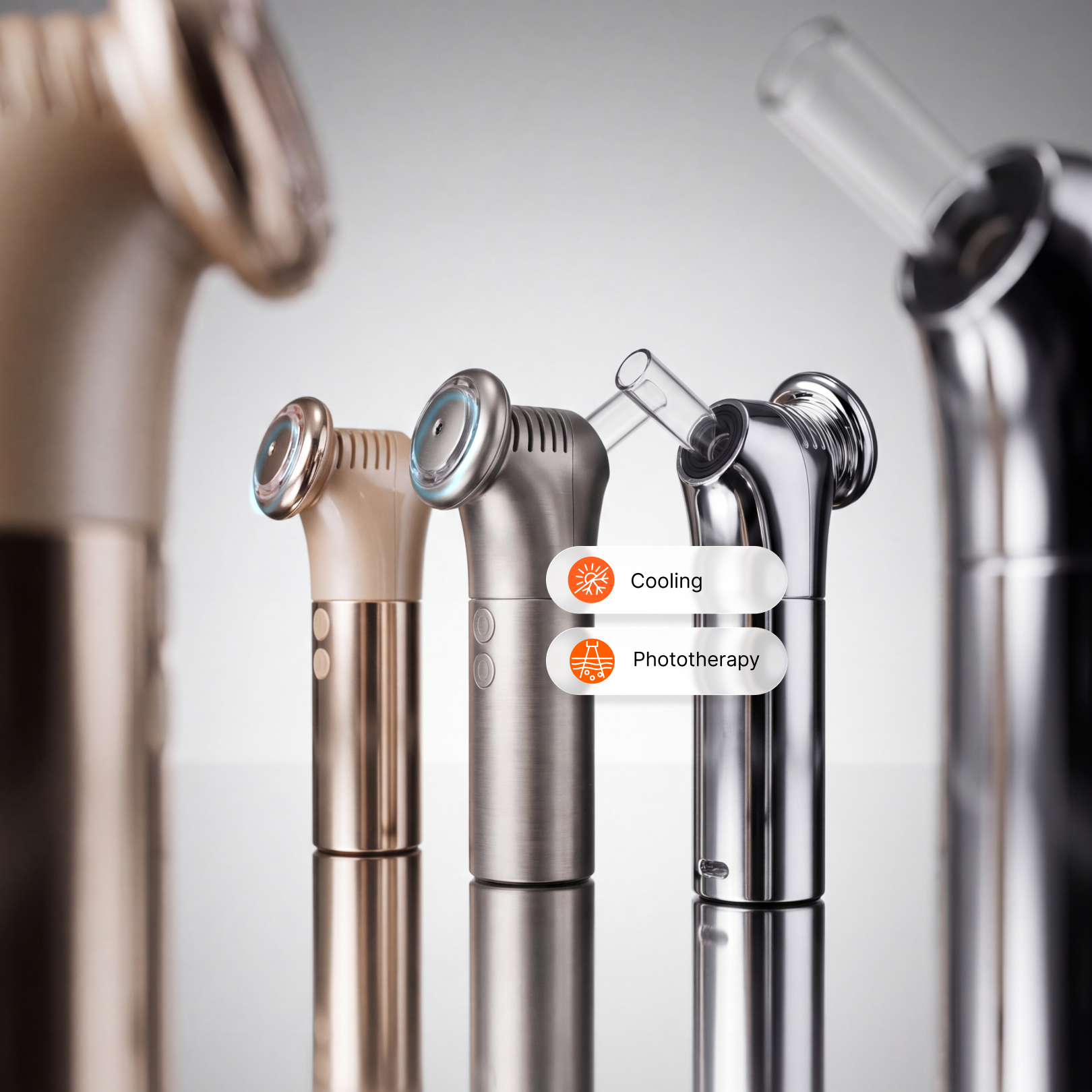
Nuon addresses this gap by focusing on how efficacy is activated at the point of use. Instead of relying on formulation alone, Nuon integrates cosmetic-enhancing technologies directly into applicators and packaging components. These include controlled light output, microcurrent delivery, vibration, thermal elements, and precision contact geometry.
In this context, technology in skincare 2026 is not an add-on device or separate treatment step. It is embedded into the product’s primary or secondary applicator, ensuring that each application supports absorption, circulation, and biological response without adding complexity to the routine.
Consumers are not abandoning skincare. They are eliminating friction.
The modern skincare routine in 2026 is defined by:
- Fewer steps
- Clear functional purpose for each product
- Minimal effort to achieve consistent results
Users increasingly reject routines that require separate devices, complex protocols, or additional learning. Instead, they favor solutions where application and enhancement happen in one motion.
This alignment between behavior and delivery is a direct response to evolving skincare consumer behavior 2026.
Technology adoption in beauty has matured. In 2026, users expect technology to be present, but they are selective about how it is implemented.
Consumers respond positively to technology that:
- Is non-invasive and safe for repeated use
- Requires little to no learning curve
- Enhances results without adding steps
Overengineered solutions or unclear functions reduce trust quickly. In contrast, subtle, integrated systems that operate quietly in the background reinforce credibility and long-term engagement.
For example:
- Light-based modules are selected and calibrated based on cosmetic use cases such as calming, clarity support, or collagen stimulation, and integrated into applicators rather than external devices.
- Microcurrent and vibration systems are engineered to support ingredient uptake and circulation while remaining intuitive and comfortable for daily use.
- Thermal elements are applied selectively to support absorption or soothing effects without destabilizing formulations or complicating handling.
This shift has direct implications for packaging design. Applicators are no longer secondary accessories. They are central to how a product performs and how likely it is to be used consistently.
Nuon’s active applicator systems are developed specifically to align with this behavior. By integrating technologies into pumps, droppers, tubes, sticks, and caps, Nuon enables brands to deliver treatment-level enhancement within the act of applying a cosmetic. This improves user compliance and reduces routine fatigue while preserving formulation simplicity.
Another defining aspect of skincare consumer behavior 2026 is heightened sensitivity to safety and trust. Users may not study regulatory frameworks, but they quickly recognize whether a product feels engineered with intent or assembled for marketing appeal.
This translates into expectations for:
- Predictable, repeatable performance
- Stable interaction between formula, applicator, and skin
- Technologies designed for long-term, routine use
For brands, this means that development decisions must withstand internal review, regulatory scrutiny, and real-world use. Claims need to be defensible. Packaging materials must be compatible. Energy outputs must be controlled.
Nuon’s development process is built on medical-device discipline applied to cosmetic enhancement. Technologies are selected not only for efficacy, but for feasibility within packaging constraints, regulatory alignment, and user safety. This ensures that enhanced products remain credible across markets and over time.
One of the most impactful 2026 skincare trends is the shift in how users perceive packaging. Packaging is no longer passive.
Users increasingly expect packaging to:
- Improve application precision
- Support consistent dosing
- Enhance the sensory experience
- Contribute directly to performance
This shift explains the growing adoption of applicator-led innovation. When packaging actively improves how a product performs on the skin, users perceive higher value without adding steps to their skincare routine.
Nuon approaches packaging as a functional delivery system. Active and secondary applicators are engineered to work with the formula’s viscosity, target area, and intended outcome. This includes geometry design, material selection, and technology placement that support consistent results.
By enhancing performance through packaging, brands can differentiate products, elevate perceived value, and improve outcomes without reformulating or increasing SKU complexity.
Skincare in 2026 is increasingly linked to broader wellness goals such as calming, recovery, and resilience. However, users resist products that feel clinical or disruptive.
Wellness-driven skincare trends emphasize:
- Gentle stimulation rather than aggressive intervention
- Daily-use technologies instead of episodic treatments
- Designs that integrate naturally into lifestyle habits
Nuon’s integrated technologies support these expectations by enhancing natural skin processes rather than overriding them. Light, microcurrent, vibration, and thermal elements are applied in controlled, cosmetic-appropriate ways that support comfort and repeat use.
This balance allows brands to position products within wellness narratives while maintaining accessibility and elegance.
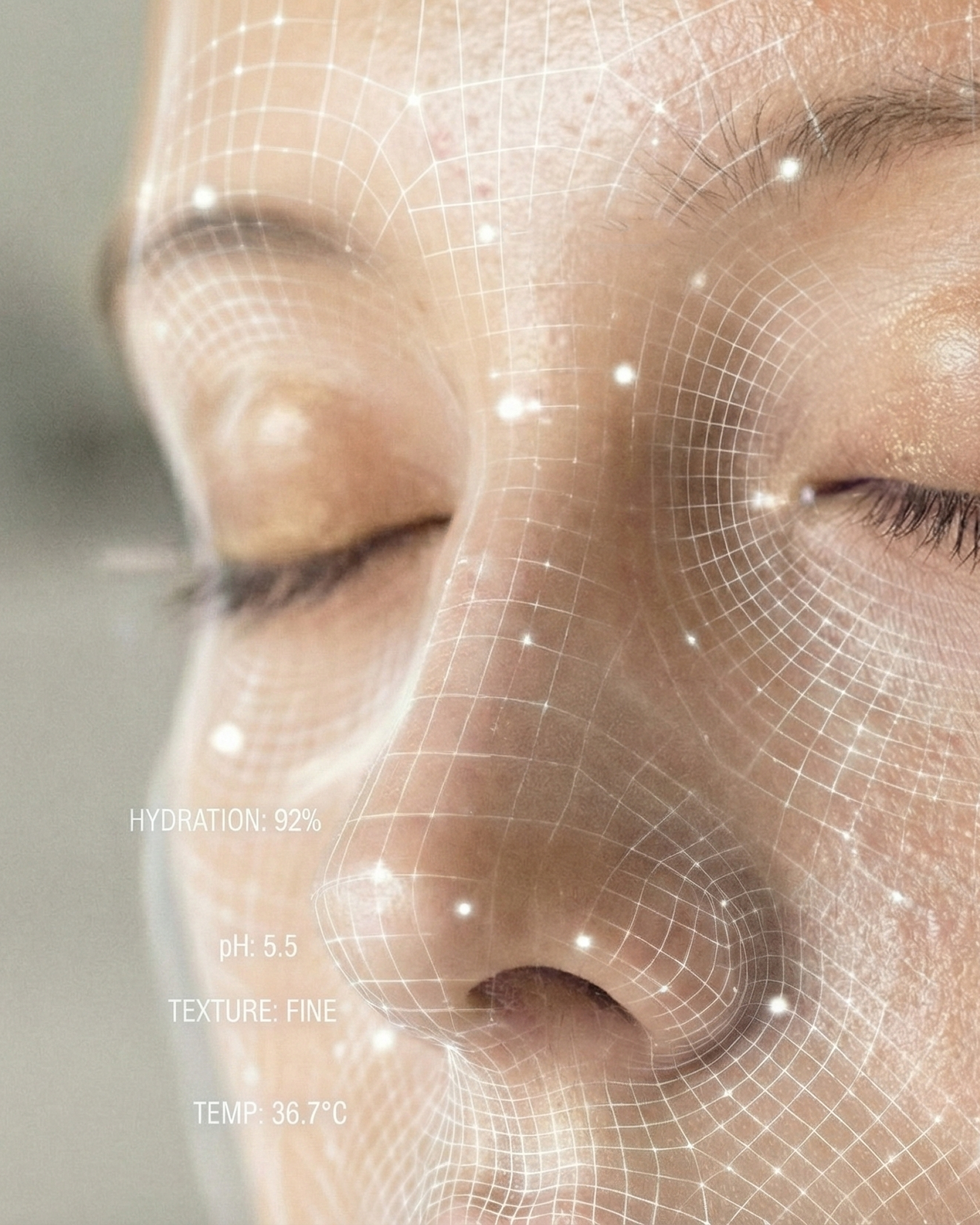
Taken together, these user priorities define how innovation must evolve under 2026 skincare trends.
Future-ready development requires:
- Designing around real skincare consumer behavior
- Aligning formulation, applicator, and routine design
- Using technology in skincare to enhance performance, not complexity
- Embedding safety, consistency, and compliance logic from the start
The most meaningful 2026 skincare trends are rooted in how users apply, experience, and evaluate products in everyday life.
Users want visible efficacy, intuitive skincare routines, and technology that works quietly and reliably within the product itself. Brands that respond to these expectations through thoughtful engineering and user-centered design will be best positioned to lead the next phase of skincare innovation.
For Nuon Medical, user behavior is not a trend. It is the foundation of how we design technology-enhanced cosmetics for what comes next.
.svg)
.svg)

.svg)

.png)

.png)


.svg)

.svg)
.svg)
.svg)
.svg)
.svg)
.svg)
.svg)
.svg)

.svg)
.svg)


.svg)