October brings crisp, unpredictable weather, shifting rapidly from chilly mornings to surprisingly warm afternoons. These environmental swings create chaos for combination skin, causing it to simultaneously experience severe dryness on the cheeks and excess oil in the T-zone. A static, one-size-fits-all routine often fails under these conditions because the face requires opposing treatments at the exact same time.
Incorporating a versatile skincare applicator directly into the routine provides this exact flexibility. By adjusting the delivery method to suit each specific facial zone, users can finally address the conflicting demands of their complexion without overhauling their entire cosmetic cabinet.
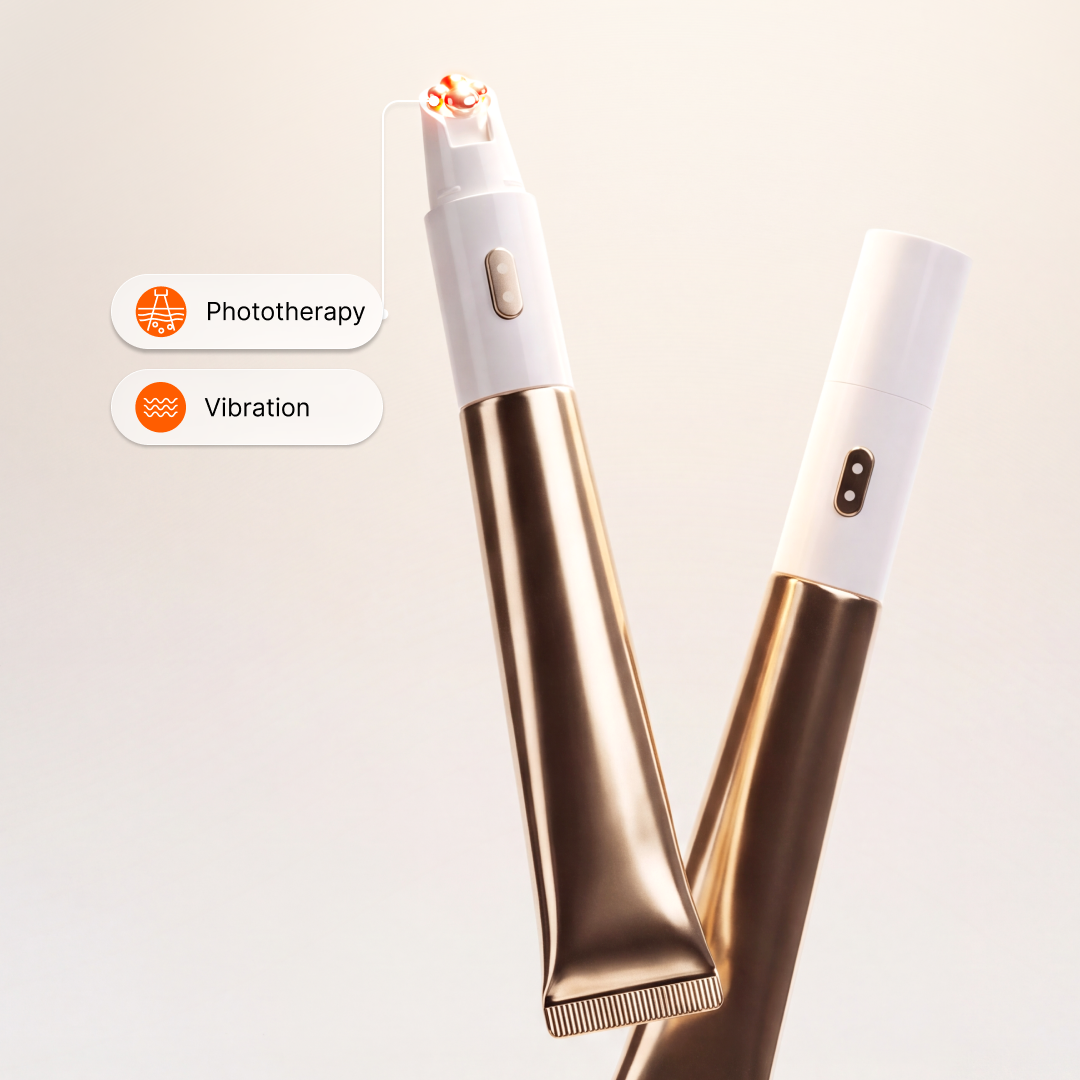
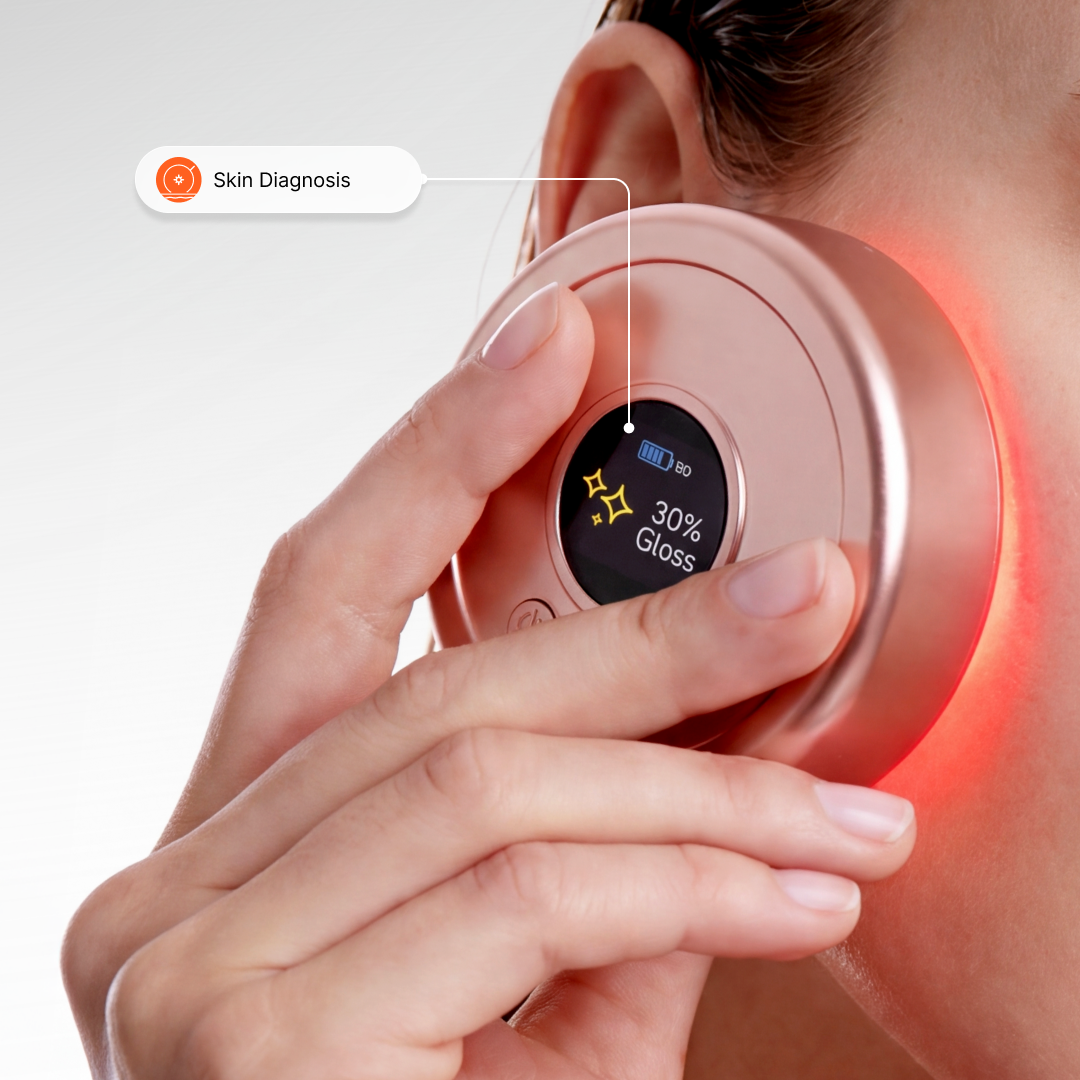
A versatile skincare applicator is an adaptable delivery system engineered to support complex facial needs. Instead of relying on a single fixed application method, this technology utilizes interchangeable heads to deliver liquid formulations. It allows the user to switch seamlessly between optical, mechanical, and diagnostic functions depending on what the tissue requires.
This matters deeply for combination skin, which constantly presents conflicting biological states. Treating an oily T-zone with the same mechanical pressure as a dry, flaky cheek often leads to irritation or congestion. An adaptable system bridges this gap by ensuring the active ingredients are delivered precisely how each zone needs them. It eliminates the frustration of ineffective application by maximizing the formulation across the entire face.
The rapid shift from humid summer air to dry autumn winds constantly alters the skin's permeability. Flexible skincare routines are essential because applying a rich cream universally across combination skin often triggers breakouts in oily zones. A rigid application method simply cannot adapt to these structural differences across the lipid barrier.
Customizing the physical delivery of a serum allows for localized treatment that respects the unique biology of each area. When indoor heating depletes cheek moisture while stress increases forehead sebum, the application method must pivot instantly. Empowering users to customize their treatment prevents the continuous cycle of reactive inflammation and maintains overall dermal harmony.
Combination skin demands targeted delivery methods to avoid exacerbating local issues. Atomization for skincare breaks liquid serums into ultra-fine particles, providing weightless hydration that absorbs instantly. This delicate mist is perfect for the oily T-zone, delivering essential nutrients without leaving a heavy, pore-clogging residue.
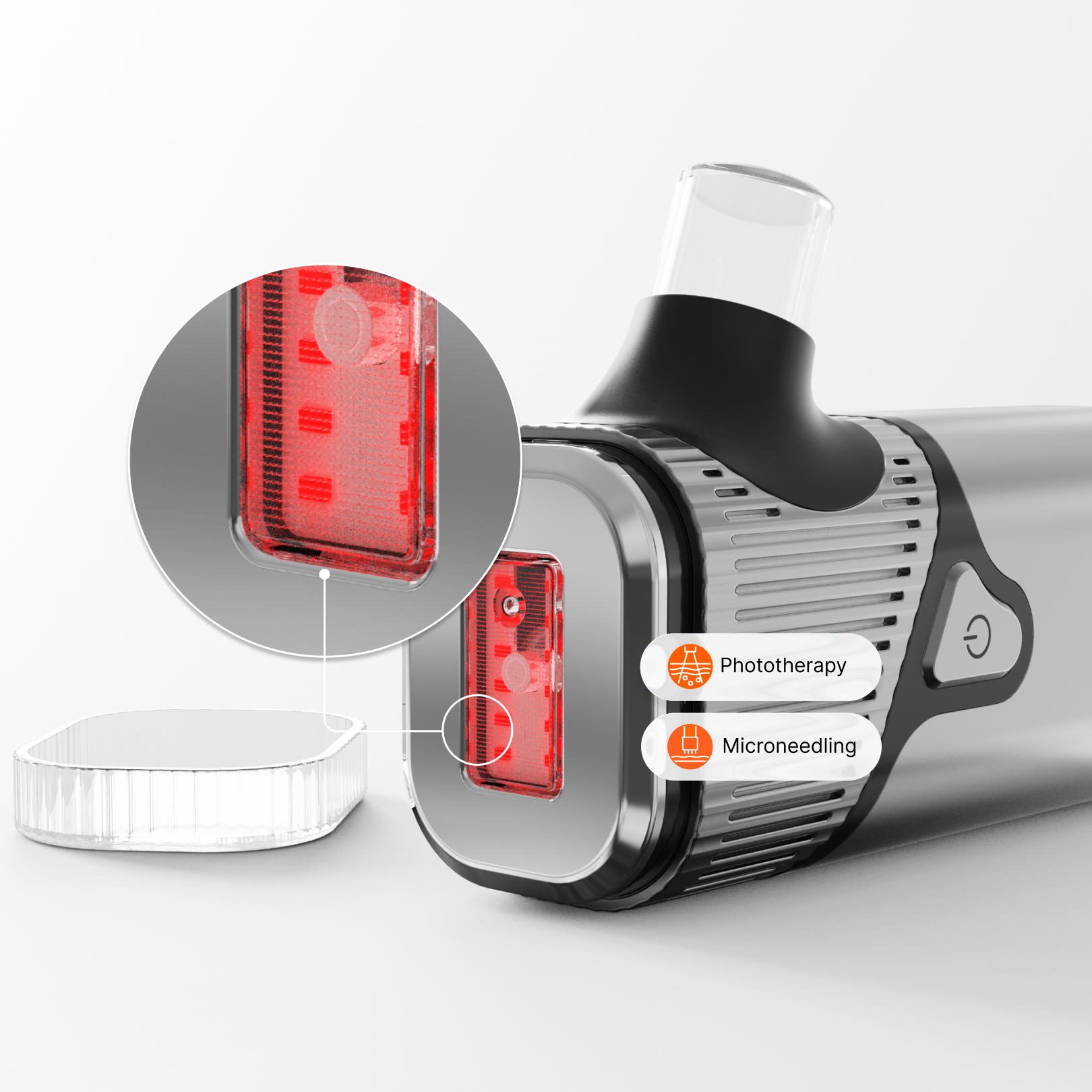
Conversely, the dry areas of the cheeks often develop a hardened outer layer that resists absorption. Microneedling technology addresses this by creating painless micro-channels through the thickened epidermis. These microscopic pathways allow hydrating serums to bypass the surface and sink deeply into the parched tissue. Having both options in one system allows for precise, situational treatment of the skin barrier without changing the core formulation.
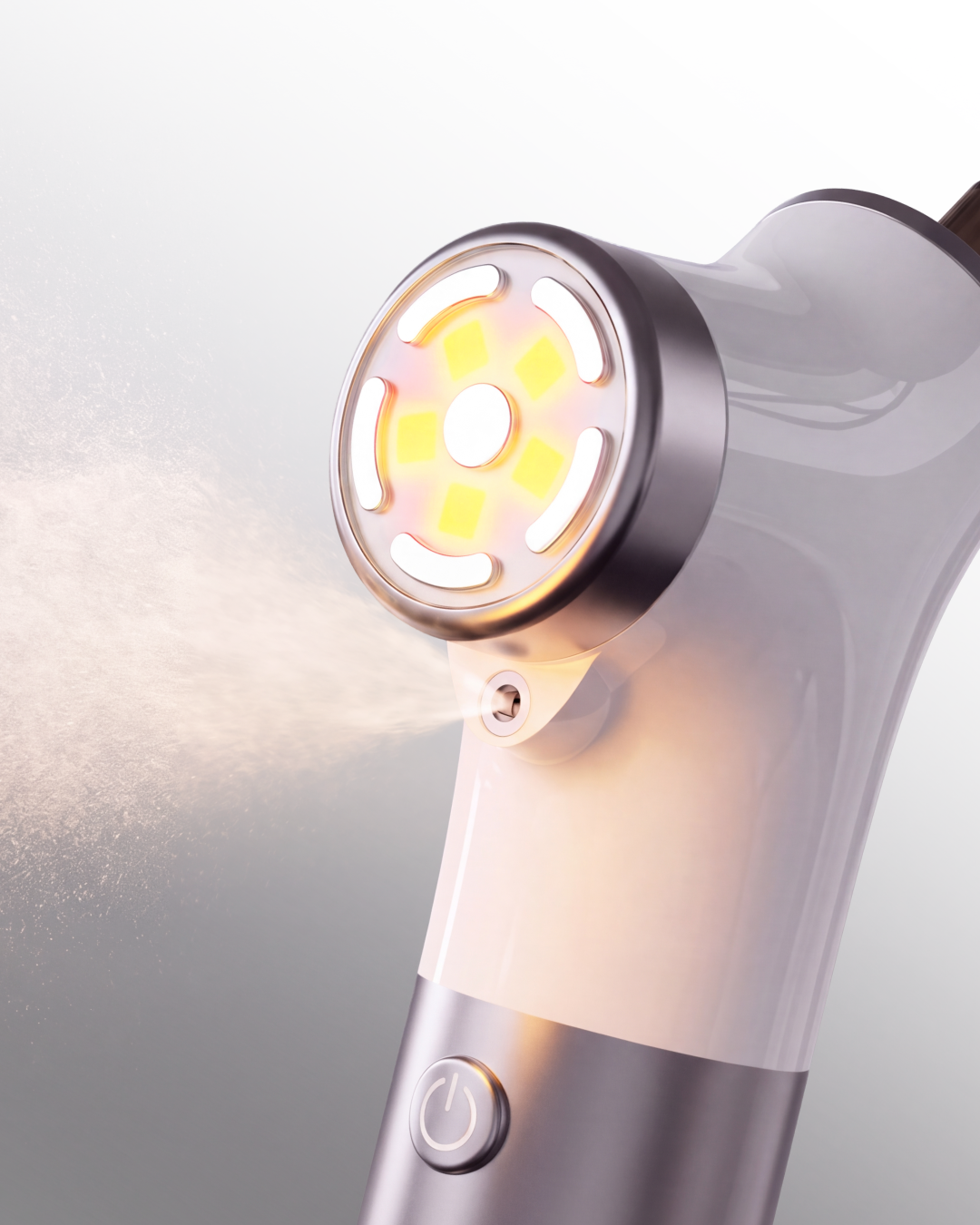
While physical delivery methods improve absorption, the skin still requires energy to process the applied nutrients efficiently. Phototherapy supplies targeted wavelengths of light to calm localized inflammation and help balance sebum production in oily zones. This optical energy supports natural collagen synthesis and repairs the compromised barrier in drier areas.
Meanwhile, Electrical Muscle Stimulation (EMS) activates underlying muscles to boost microcirculation in sluggish, dull sections of the face. This gentle mechanical stimulation pushes charged molecules within the formulas deeper into the epidermis to maximize their structural impact. Uniting these energetic modalities rounds out a highly adaptable, professional-grade routine that treats the entire complexion comprehensively.
Clinical research confirms that fluctuating transitional weather severely disrupts natural moisture retention capabilities across different facial zones. A 2014 study indicates that sudden drops in ambient temperature lead to sharp increases in transepidermal water loss, particularly on the cheeks. Simultaneously, these same environmental stressors can trigger a compensatory increase in sebum production along the T-zone.
Other findings emphasize that static manual application often fails to mitigate these rapid, contrasting biological fluctuations. The data strongly supports using multi-modal interventions to maintain barrier integrity across mixed skin types. Adapting treatments based on the specific physical and energetic needs of each zone is scientifically proven to maintain better overall structural resilience during seasonal changes.
To address the problems of combination skin, Nuon Medical developed a handheld technology-integrated skincare applicator that allows a liquid serum bottle to plug directly into the unit. This highly versatile system features interchangeable heads, seamlessly offering skin diagnosis, phototherapy, EMS, microneedling, and atomization in one sleek design.
By embedding these diverse functions into a single modular unit, the applicator delivers the formula while providing active mechanical and optical support. It transforms a standard cosmetic routine into an active, responsive treatment system tailored for combination skin. This innovation allows beauty brands to offer highly adaptable care without altering their core liquid formulas.
Why does combination skin benefit from different delivery methods?
Combination skin features oily and dry zones that require completely different handling. Adaptable delivery ensures the T-zone receives lightweight misting while dry cheeks get deeper physical penetration, preventing localized irritation.
How does atomization help with oily skin zones?
Atomization breaks liquid formulas into a fine mist that absorbs rapidly into the epidermis. This provides necessary hydration and nutrients without leaving a heavy, greasy layer that could clog pores.
Can one applicator really manage multiple skin technologies?
Yes, modular systems are engineered with interchangeable heads that connect to a central power base. This allows users to switch effortlessly between diagnostic, optical, and mechanical functions as their skin dictates.
Explore how modular packaging can elevate everyday cosmetic formulas. Discover intelligent, adaptable delivery systems with Nuon Medical.