October brings a noticeable shift in the air, leaving the skin caught between lingering summer heat and approaching winter chills. This transitional period creates unpredictable skin behavior and makes a previously reliable routine ineffective.
As the skin struggles to find equilibrium during these sudden environmental changes, real-time adaptation is necessary to maintain a healthy, resilient barrier through shifting seasons. Incorporating skin diagnosis directly into the application process provides exactly that flexibility.
At its core, skin diagnosis evaluates the tissue's real-time condition to accurately determine its immediate biological needs. Rather than relying on visual assumptions, this technology measures specific metrics like hydration levels, sebum production, and overall barrier health. Modern diagnostic systems utilize micro-sensors to read these variables directly at the point of skin contact.
Capturing accurate data allows a skin analyzer to remove the guesswork from daily cosmetic routines. It detects invisible shifts in moisture and permeability long before they manifest as visible dryness or irritation. Identifying skin conditions empowers the delivery method to adapt instantly to what the tissue actually requires on any given day.
Temperature and humidity levels can swing drastically throughout a single day during seasonal transitions. A skin checker responds to these environmental shifts by determining exactly how much hydration or stimulation the epidermis can actively absorb at that exact moment. Using advanced micro-sensors, the diagnostic system measures the electrical capacitance of the stratum corneum to evaluate real-time moisture levels and lipid barrier integrity. This precision helps prevent the common issue of overloading the tissue with heavy formulas when it is already congested.
On days when the lipid barrier is exceptionally compromised, the technology ensures the skin still receives adequate support without overwhelming it. Adjusting the treatment based on real-time diagnostic feedback naturally optimizes the performance of the applied formula. Active ingredients are utilized efficiently rather than sitting wasted on the surface, ensuring the formulation matches the exact biological reality of the skin.
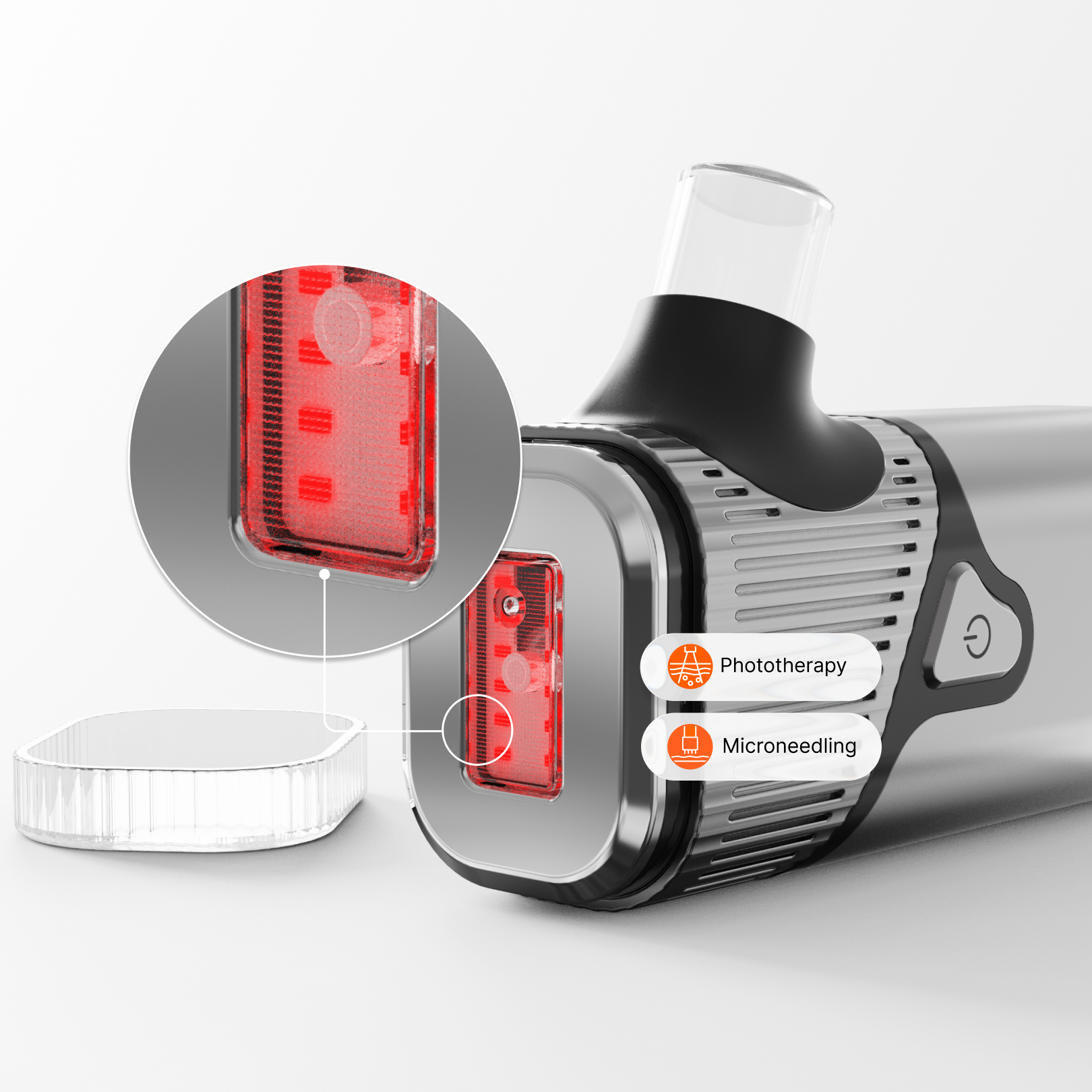
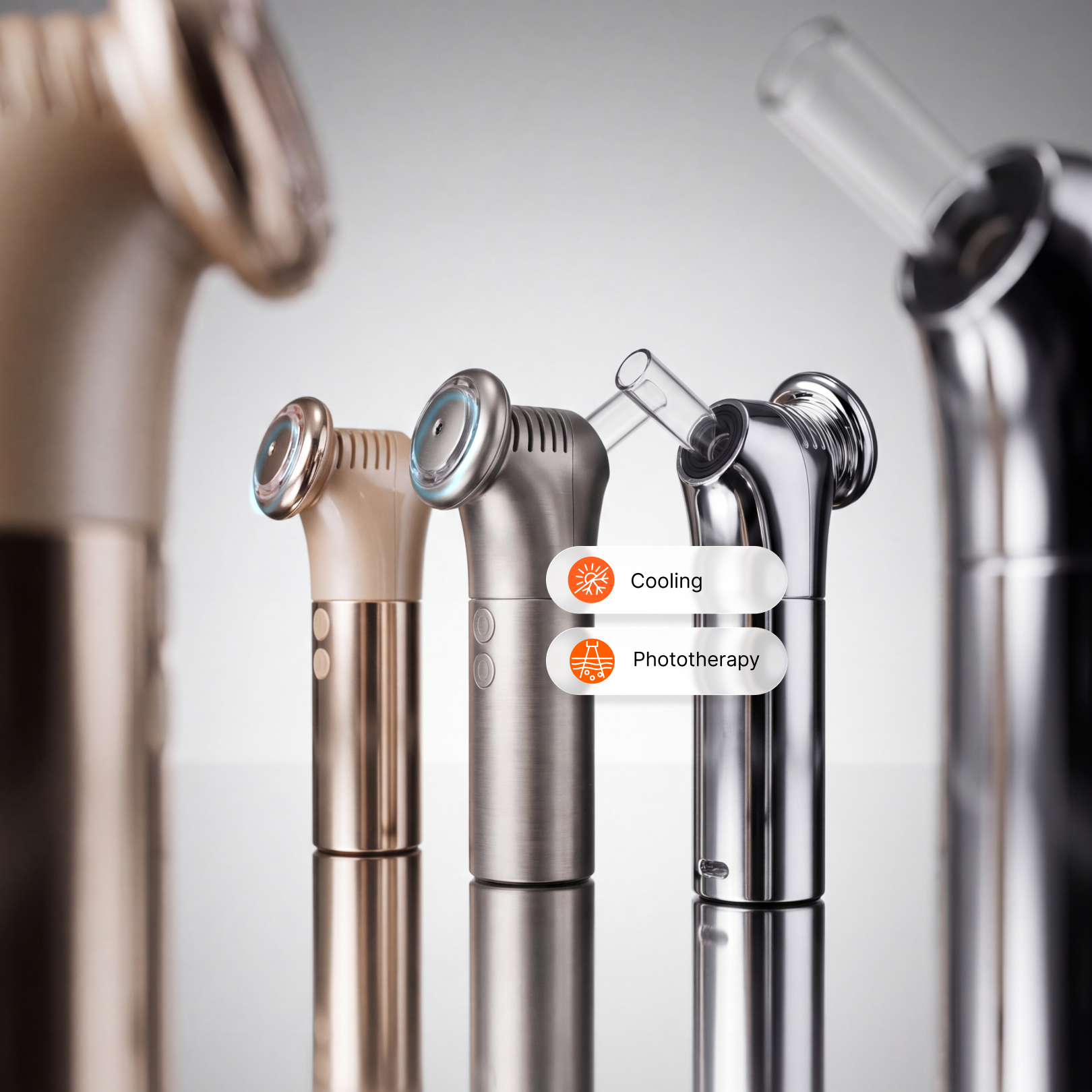
Identifying a skin concern is only the first step, as addressing it effectively requires immediate, targeted intervention. When a diagnostic system detects environmental stress or moisture depletion, integrated phototherapy steps in to deliver calibrated optical relief. By utilizing medical-grade LEDs, specific wavelengths of light energy, such as 630 nm red light, penetrate the epidermis to calm inflammation and support cellular repair.
This targeted stimulation works alongside topical formulas to reinforce a weakened lipid barrier. Red light therapy stimulates mitochondrial activity, providing the essential cellular energy required to process active ingredients during periods of seasonal instability. Uniting objective diagnostic measurement with precision light therapy creates a much more complete and responsive treatment cycle. The applicator essentially diagnoses the deficit and immediately supplies the exact optical energy needed to resolve it.
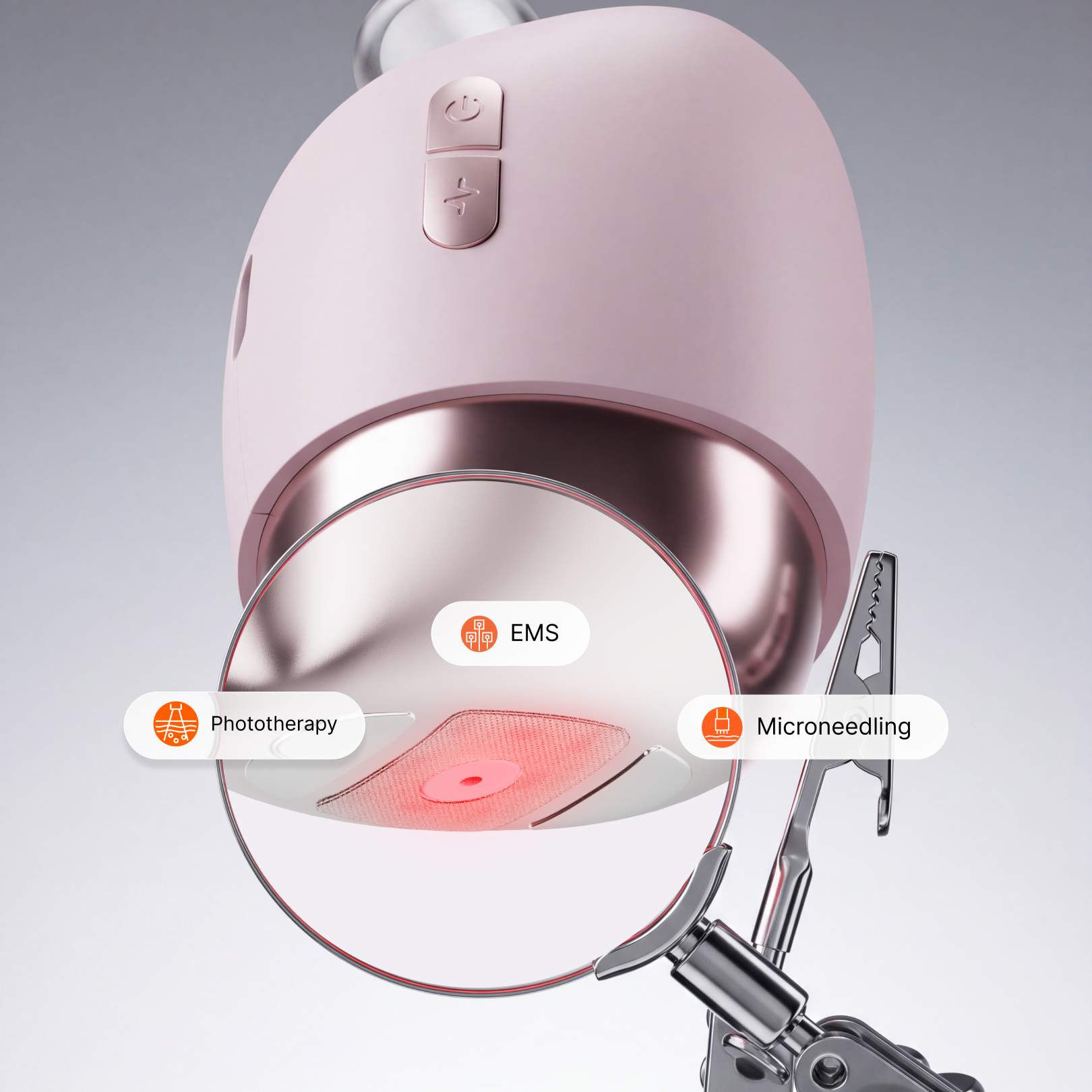
Sluggish microcirculation often follows sudden climate shifts, which can leave the complexion looking dull and fatigued. Electrical Muscle Stimulation (EMS) sends gentle, low-level electrical impulses to activate underlying facial muscles and encourage healthy blood flow. This mechanical stimulation creates subtle muscle contractions that revitalize tired tissue while preparing the epidermis to receive hydration.
Increased circulation significantly improves permeability, allowing topical ingredients to bypass the hardened outer layer. By generating a mild electrical field, EMS actively pushes charged molecules within the formulas deeper into the skin to maximize their structural impact. This precise action transforms a passive application into a highly efficient delivery process. The skin is no longer a static barrier, but an active participant in absorbing and utilizing the applied nutrients.
Clinical research confirms that fluctuating weather patterns severely disrupt natural moisture retention capabilities. Studies indicate that sudden drops in ambient humidity lead to sharp increases in transepidermal water loss. This rapid evaporation compromises the lipid matrix and leaves the barrier highly susceptible to environmental irritation.
Dermatological findings emphasize that static skincare routines often fail to mitigate these rapid biological fluctuations. The data strongly supports using objective measurement technologies to detect subtle barrier impairment early. Adapting treatments based on daily diagnostic feedback is scientifically proven to maintain better structural resilience.
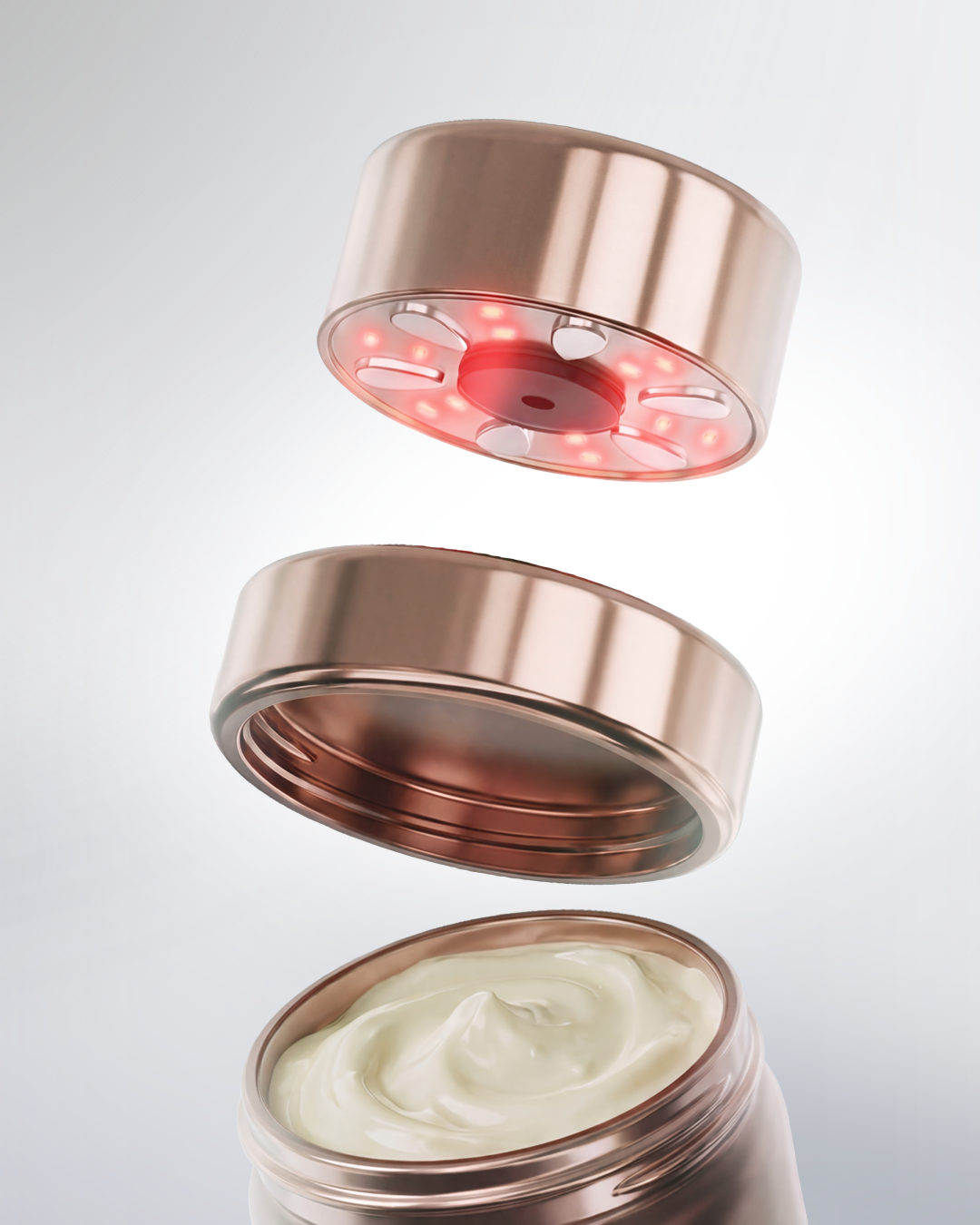
To address these seasonal challenges, Nuon Medical bridges the gap between active formulations and intelligent delivery through advanced packaging engineering. We developed a model of a technology-integrated applicator that seamlessly combines diagnostic sensors, phototherapy, and EMS. This sophisticated component is designed to detach and store conveniently right on the cap of a cosmetic cream jar.
By embedding these functions into the packaging, the applicator reads the skin’s needs and delivers the formula simultaneously. It transforms a standard skincare container into an active, responsive treatment system. This innovation allows beauty brands to offer adaptable care without altering their core liquid formulas.
Why is a skin diagnosis system important for seasonal skincare?
Seasonal weather changes cause hydration and barrier health to fluctuate daily. A diagnostic system reads these real-time changes to ensure the tissue receives the exact level of care it needs.
How does a technology-integrated applicator improve cosmetic formulas?
It combines active formulation with mechanical and optical delivery methods. Features like EMS and phototherapy help push ingredients deeper into the skin while stimulating cellular repair.
Can diagnostic technology fit into existing skincare packaging?
Yes, advanced applicators are designed to integrate seamlessly with standard packaging formats. They can be engineered as detachable components that sit neatly on the caps of existing cream jars.
Explore how diagnostic packaging can elevate everyday cosmetic formulas. Discover intelligent, adaptable delivery systems with Nuon Medical.
.svg)
.svg)

.svg)

.png)

.png)


.svg)

.svg)
.svg)
.svg)
.svg)
.svg)
.svg)
.svg)
.svg)

.svg)
.svg)


.svg)