In the rise of beauty tech, two common misconceptions continue to shape how microcurrent technology is understood. First, that microcurrent can replace a skincare routine entirely. Second, that it is a separate treatment focused only on muscle toning, used alongside or even before a skincare routine rather than within it. The first idea is undeniably appealing. Simpler routines, fewer products, faster results. The second is something we often hear echoed across the beauty community.
In reality, microcurrent technology works best when integrated into skincare applicators. It does not replace formulations, nor does it function best in isolation. Instead, it enhances how formulations perform, stimulates biological mechanisms for stronger and faster results, and supports more precise application. Integration, not separation, is where real value is created.
Microcurrent facial treatments are often associated with muscle toning, lifting, and facial sculpting. While this perception is accurate, it only tells part of the story. More specifically, microcurrent technology delivers low-level electrical currents that mimic the body’s natural bioelectric signals, gently stimulating facial muscles in a way similar to a workout for the face.
Beyond this lifting effect, microcurrent offers deeper benefits. It helps boost circulation, enhance product absorption, and stimulate collagen and elastin production. It also increases ATP levels, which provide essential energy for cellular activity.
For at-home use, this means results are not limited to visible contouring. They extend to improving how the skin functions, repairs, and renews itself over time.
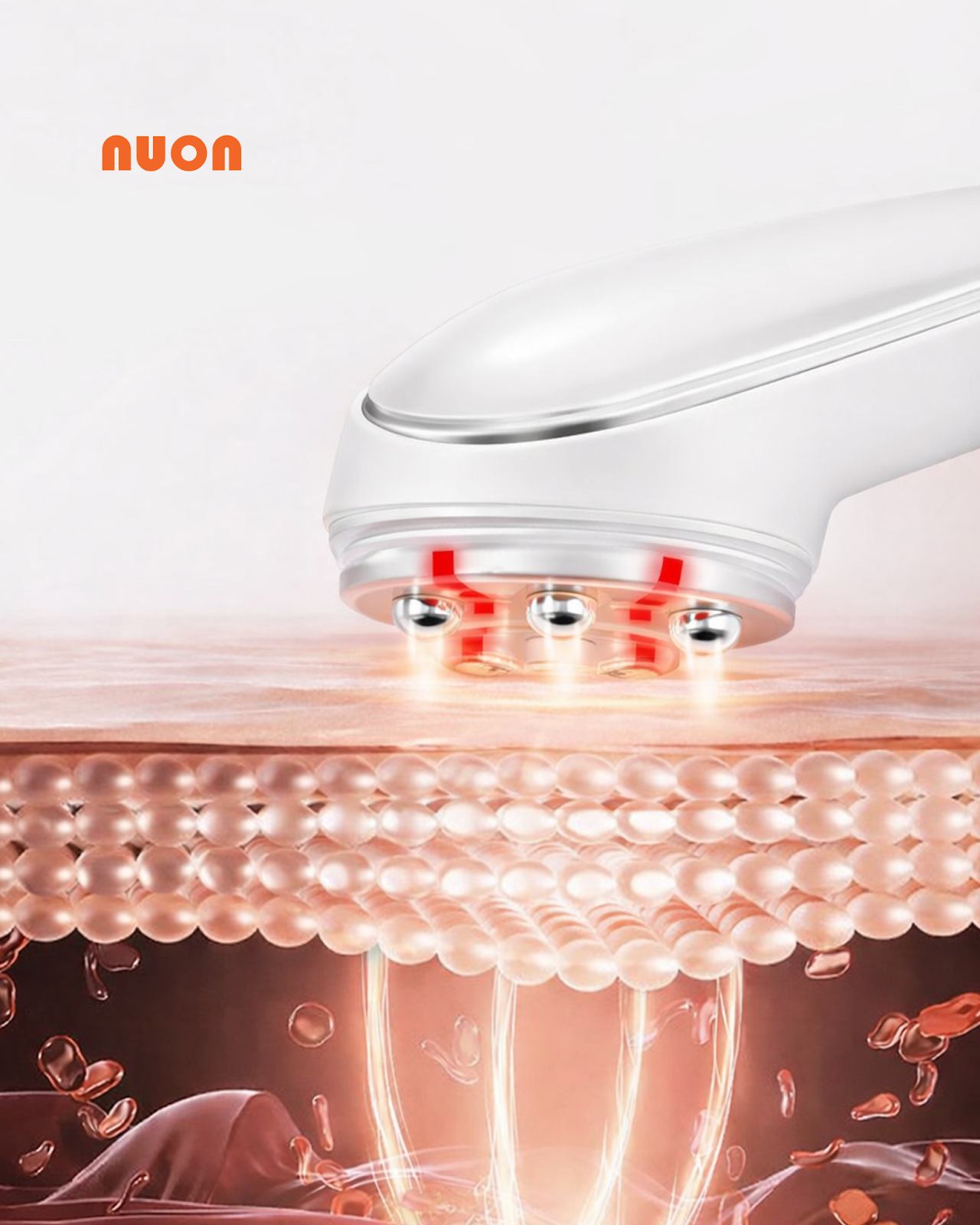
As microcurrent travels toward the facial muscles, it passes through the epidermis and dermis, directly influencing skin cells. One of its key effects is the stimulation of adenosine triphosphate, or ATP, which serves as the primary energy source for cellular functions. Elevated ATP levels enhance cellular metabolism and overall skin health. In addition, microcurrent increases cell membrane permeability, allowing cells to eliminate waste more efficiently.
Microcurrent also supports protein synthesis, which helps repair damaged tissue and encourages the production of collagen and elastin. These proteins are essential for maintaining firmness and elasticity.
Together, these effects create a high-energy environment within the skin. This energized state enables faster repair, improved resilience, and more visible results when combined with a well-designed skincare routine.
Microcurrent does not permanently alter the skin barrier or the formulation itself. Instead, it temporarily improves skin hydration, conductivity, and permeability by energizing skin cells. When cells are activated, the skin becomes an active participant in absorption rather than a passive barrier.
With increased ATP production, skin cells operate more efficiently. Their membranes become more dynamic, allowing them to better absorb nutrients and process active ingredients applied on the surface. This enhances the performance of serums and creams without changing their composition.
At the same time, increased blood circulation delivers more oxygen and nutrients to the skin. This creates a more dynamic environment where products are more effectively absorbed into the epidermis. In a skincare routine order, microcurrent transforms application into a high-performance step.
A common misconception is that microcurrent must be used exclusively with conductive gels. While conductive mediums are important for current flow, this does not limit microcurrent devices to traditional gels alone. In reality, they can work effectively with a range of water-based serums and gels, including formulations with ingredients like hyaluronic acid or peptides.
When paired with these products, microcurrent helps both the formula and the current glide smoothly across the skin. This ensures more even distribution, reducing patchiness and improving overall coverage. Instead of products absorbing unevenly, they are applied with greater precision and consistency.
At the same time, the stimulation enhances how effectively these formulations perform on the skin. For skincare brands and cosmetic developers, this creates new opportunities to explore different permeability enhancers and delivery strategies, transforming microcurrent into an integrated applicator rather than a separate step.
Recent studies on microcurrent technology show that low- to medium-frequency pulsed electrical currents can generate an electric field as they pass through the skin. This stimulation affects the skin, subcutaneous tissues, and muscles, leading to visible anti-aging benefits such as improved firmness, reduced wrinkles, and enhanced facial contours. As a result, low-intensity currents accelerate connective tissue repair and support fibroblast activity, neovascularization, and increased epithelial thickness.
Clinical research further validates these effects. In a randomized controlled trial using a portable microcurrent device, participants who used the device five times a week for 12 weeks showed significantly improved skin tone, radiance, and wrinkle reduction compared to a control group. Muscle thickness increased by 18.7 percent, while minimal side effects such as slight redness were reported.
These findings highlight the potential of integrating microcurrent into at-home devices to enhance skincare performance and amplify the effects of topical formulations.
Microcurrent can be seamlessly integrated into a skincare routine as either an active applicator or a secondary applicator, since advancements in technology are enabling the development of packaging and applicators that work in harmony with skincare formulations.
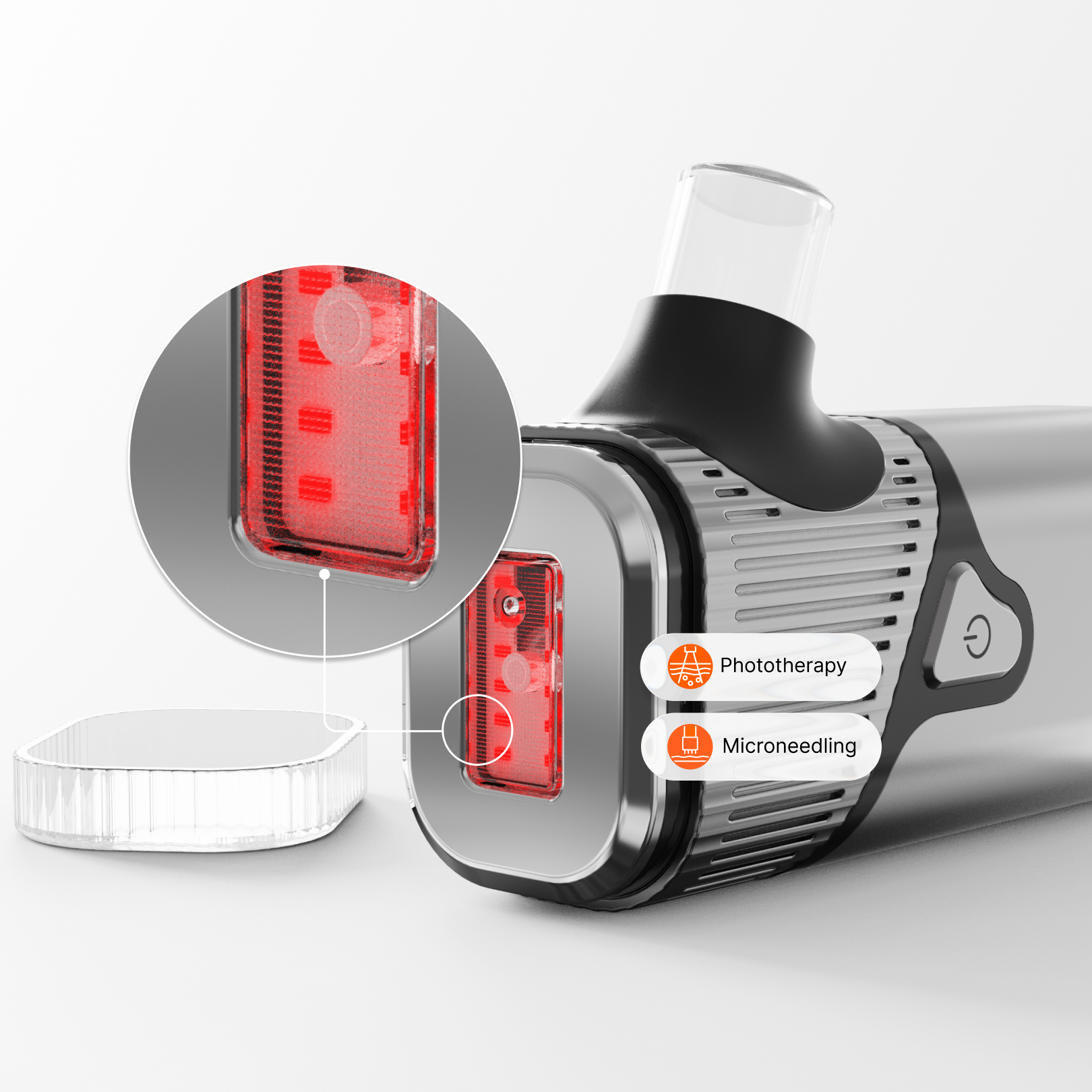
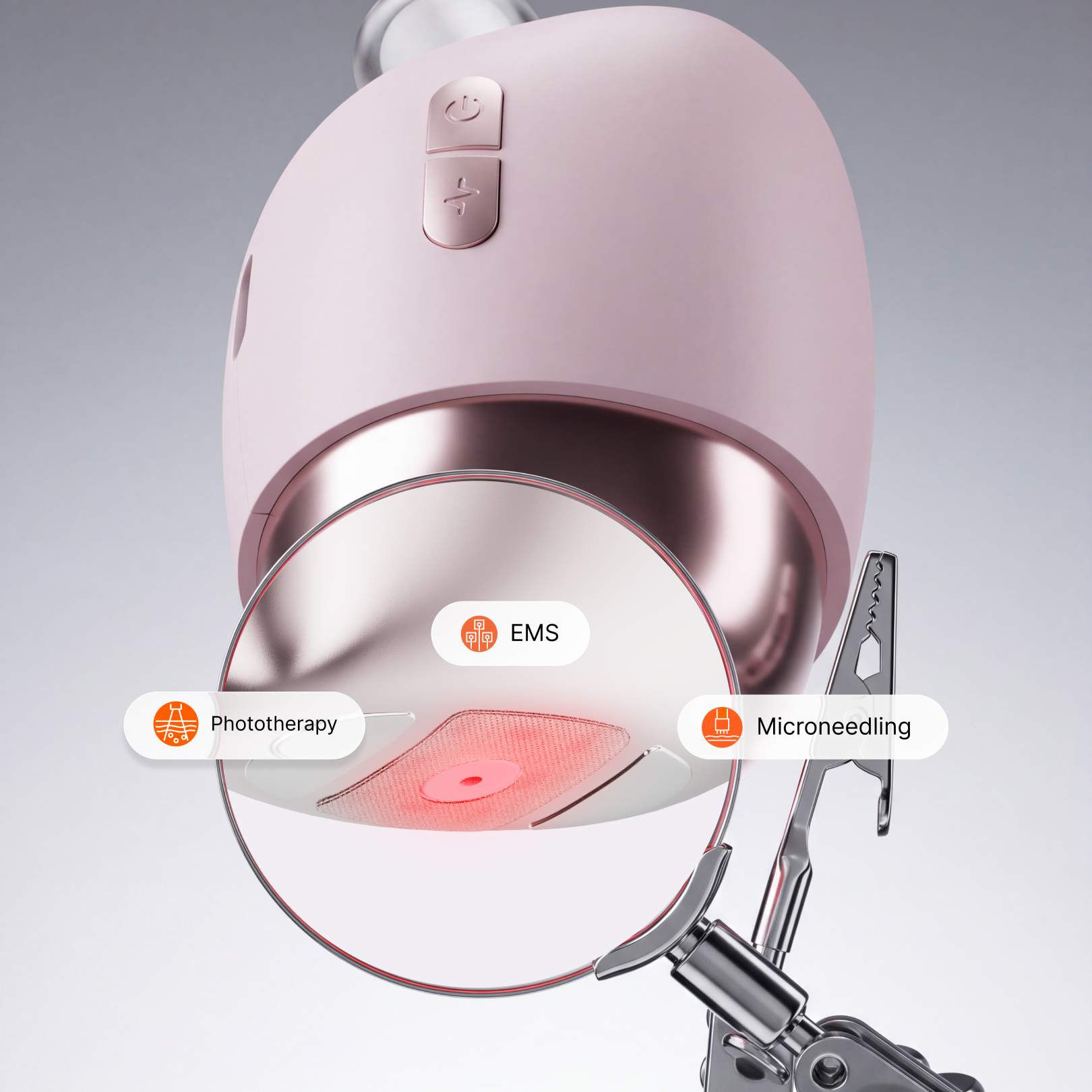
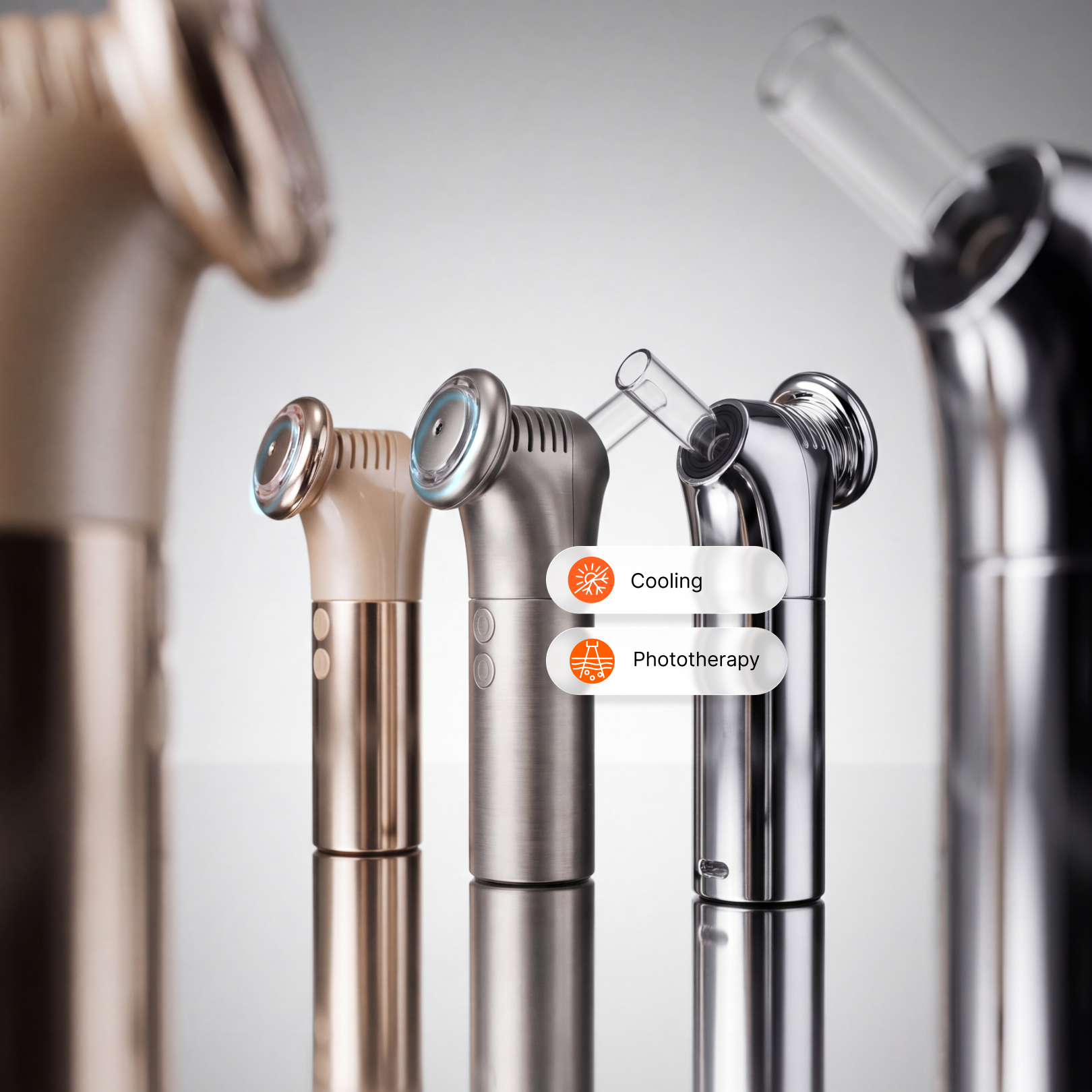
For example, Nuon Medical’s HD series demonstrates this integration by combining LED light therapy with microcurrent technology in a single system. Designed to support topical formulations, it enhances ingredient penetration while supporting visible results. This approach reflects the future of at-home skincare technology, where technology and formulation are no longer separate, but deeply interconnected.
Specifically, microcurrent can be paired with compatible formulations such as serums or gels that support conductivity. Water-based actives like hyaluronic acid, peptides, and certain antioxidant serums are particularly well-suited due to their compatibility with electrical conductivity. This ensures optimal absorption and performance.
Does microcurrent technology replace skincare products?
No. Microcurrent enhances the effectiveness of products but does not replace active ingredients in a skincare routine.
Can microcurrent be used with any product?
It works best with water-based, conductive formulations such as gels or serums. Compatibility should be considered during product development.
Where should microcurrent fit in a skincare routine order?
Typically after cleansing and before heavier creams, allowing optimal absorption of active ingredients.
Explore how integrated microcurrent solutions can amplify your skincare products and redefine daily routines with Nuon Medical.
.svg)
.svg)

.svg)

.png)

.png)


.svg)

.svg)
.svg)
.svg)
.svg)
.svg)
.svg)
.svg)
.svg)

.svg)
.svg)


.svg)