Spending hours in an airplane cabin subjects the human skin barrier to intense atmospheric stress. Between recycled air, plummeting humidity, and disrupted sleep cycles, it is no surprise that facial skin often feels dehydrated and looks dull long before reaching the destination.
While standard topical formulas are a good start, they often struggle to perform in such arid transit environments. Nuon Medical’s technology-integrated applicators provide a strategic solution, spanning the full spectrum from advanced hydration delivery to precise, uniform sunscreen application for optimal high-altitude protection.
The primary culprit is the strikingly low humidity inside the aircraft, which actively strips moisture from the stratum corneum. In fact, levels frequently drop below 20%, mimicking the conditions of an arid desert. This rapid evaporation leads to uncomfortable skin tightness, surface irritation, and a visibly compromised barrier function by the time the wheels touch the tarmac.
Furthermore, cruising at high altitudes significantly increases cellular exposure to damaging solar radiation. Because the atmosphere is thinner, it provides much less protection against the intense ultraviolet rays streaming through airplane windows. This potent combination of dry cabin air and elevated radiation accelerates oxidative stress, leading to persistent redness and long-term damage.
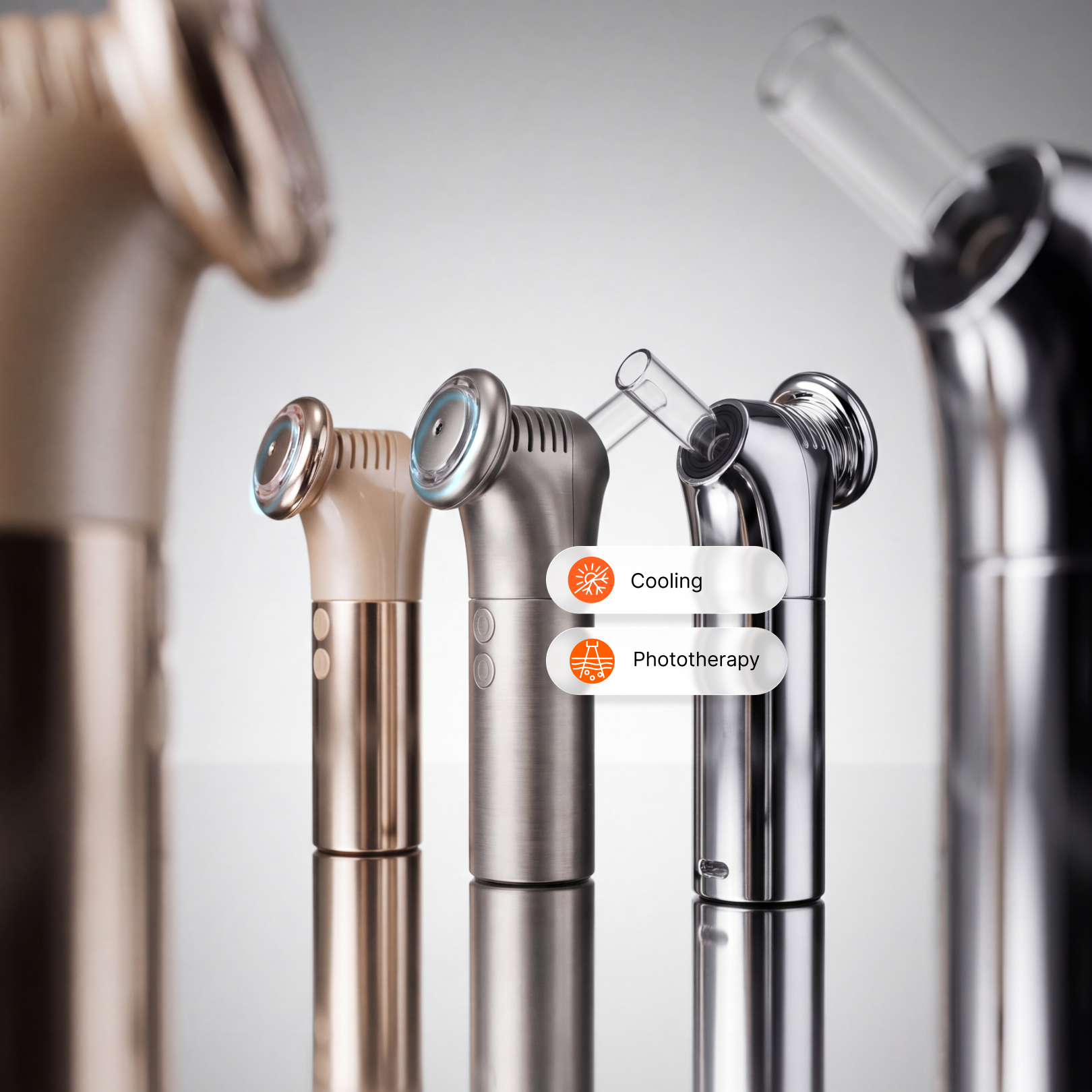
Dry cabin air frequently causes standard creams to evaporate or dry out on the skin's surface before they can be fully absorbed. To solve this, a rolling system could be used to physically push active ingredients deeper past the parched epidermal barrier. The smooth rolling motion ensures that formulas are spread evenly while maximizing penetration, even mid-flight.
Beyond just delivery, the mechanical rolling action stimulates microcirculation, which is often hindered by hours of sitting. By pairing targeted formula delivery with localized physical stimulation, these tools quickly restore lost hydration. This dual-action approach effectively relieves tightness and serves as the ultimate way to optimize any skincare routine for long-haul flights.
Red light phototherapy offers targeted cellular support, working to reduce the micro-inflammation typically caused by air travel. Specific wavelengths of light penetrate the dermal layers to soothe the irritation triggered by the dry environment. This immediate calming effect is crucial, as it prevents surface stress from escalating during long journeys.
Additionally, phototherapy accelerates the natural recovery processes of cells following extended transit periods. The concentrated light energy boosts mitochondrial function, helping to offset the visible effects of sleep disruptions and traveler fatigue. By incorporating this technology, travelers can maintain their skin barrier integrity and arrive looking refreshed.
At high altitudes, the skin is defenseless against elevated levels of UV radiation. These concentrated rays can penetrate cabin windows, damaging underlying collagen structures and triggering inflammation. Consequently, maintaining a consistent, robust sunscreen barrier is a non-negotiable step for high-altitude skin defense.
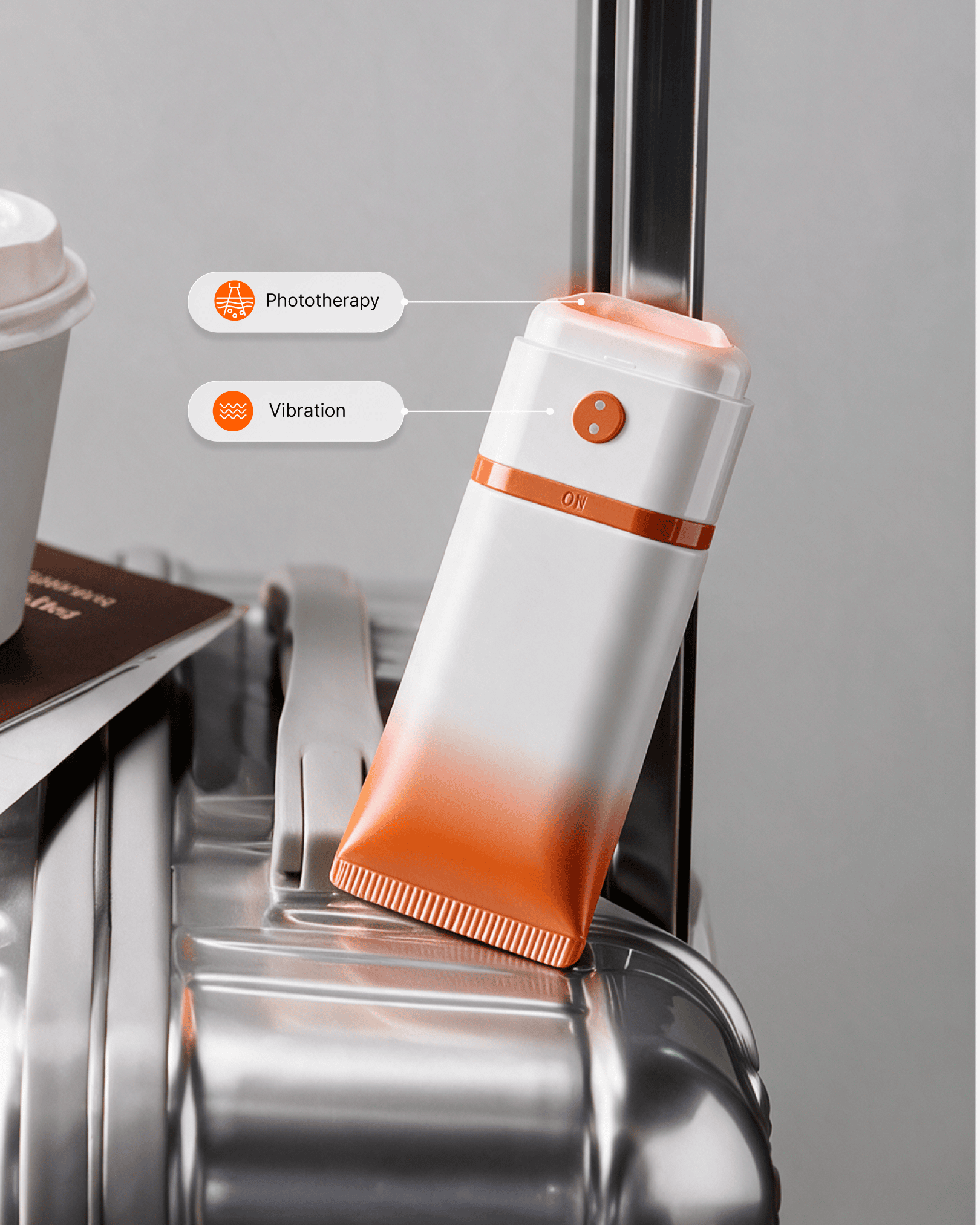
Specialized sunscreen applicators ensure uniform coverage, leaving no unprotected gaps on the face. Their streamlined design allows for easy, mess-free reapplication over existing skincare layers during the flight. This automated spreading creates a seamless shield, protecting the skin from intense solar radiation throughout the duration of daytime flights.
The consensus in clinical dermatological research is clear: long flights cause rapid, measurable damage. A study tracking airline passengers found a direct correlation between flight duration and transepidermal water loss. In fact, epidermal hydration levels drop significantly within just a few hours of exposure to standard cabin conditions.
With humidity levels often lingering below 20%, moisture is continuously pulled away from the skin surface, leaving the cutaneous barrier vulnerable to sensitivity. Modern technology-integrated packaging directly addresses these clinical threats, significantly improving how topical formulations perform while in transit.
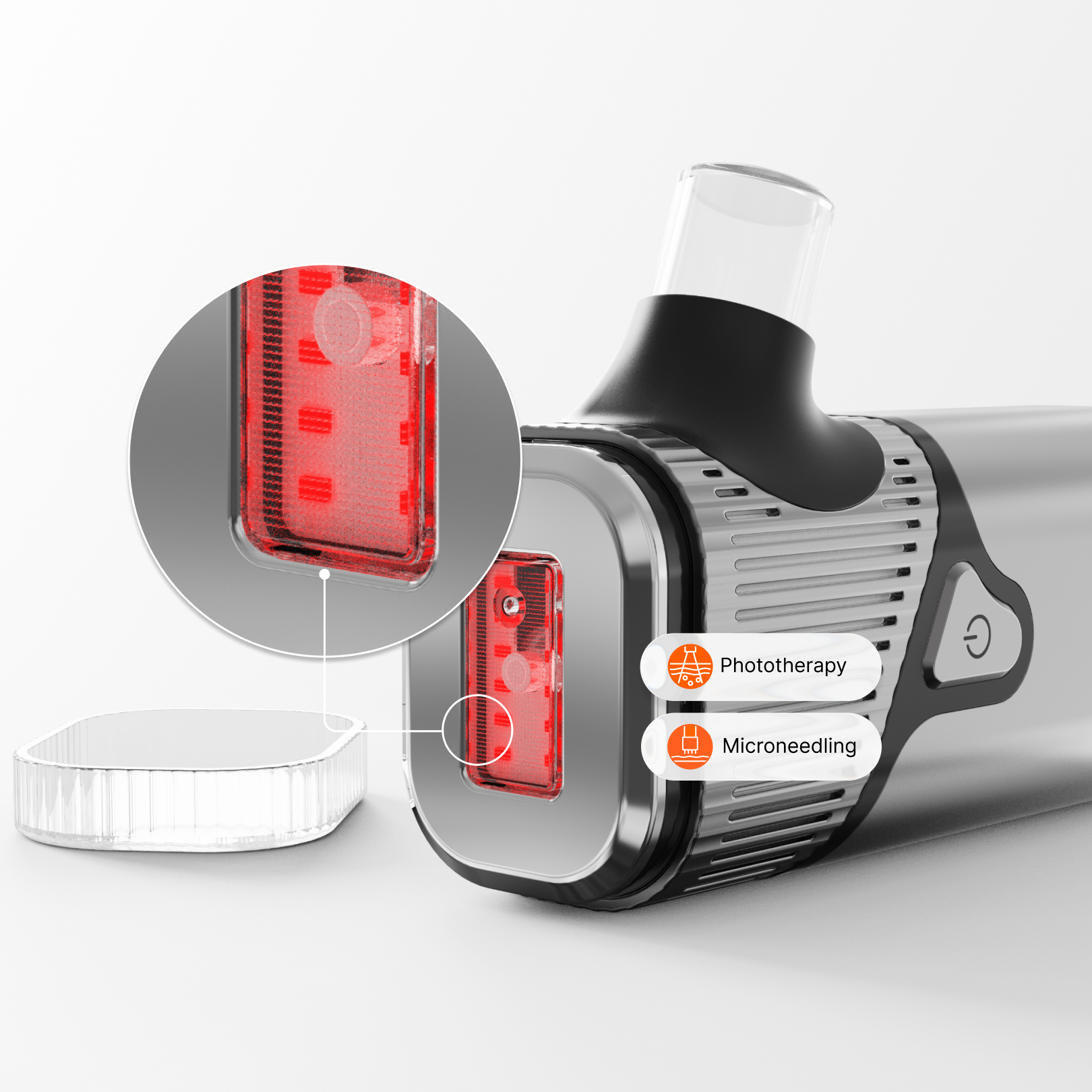
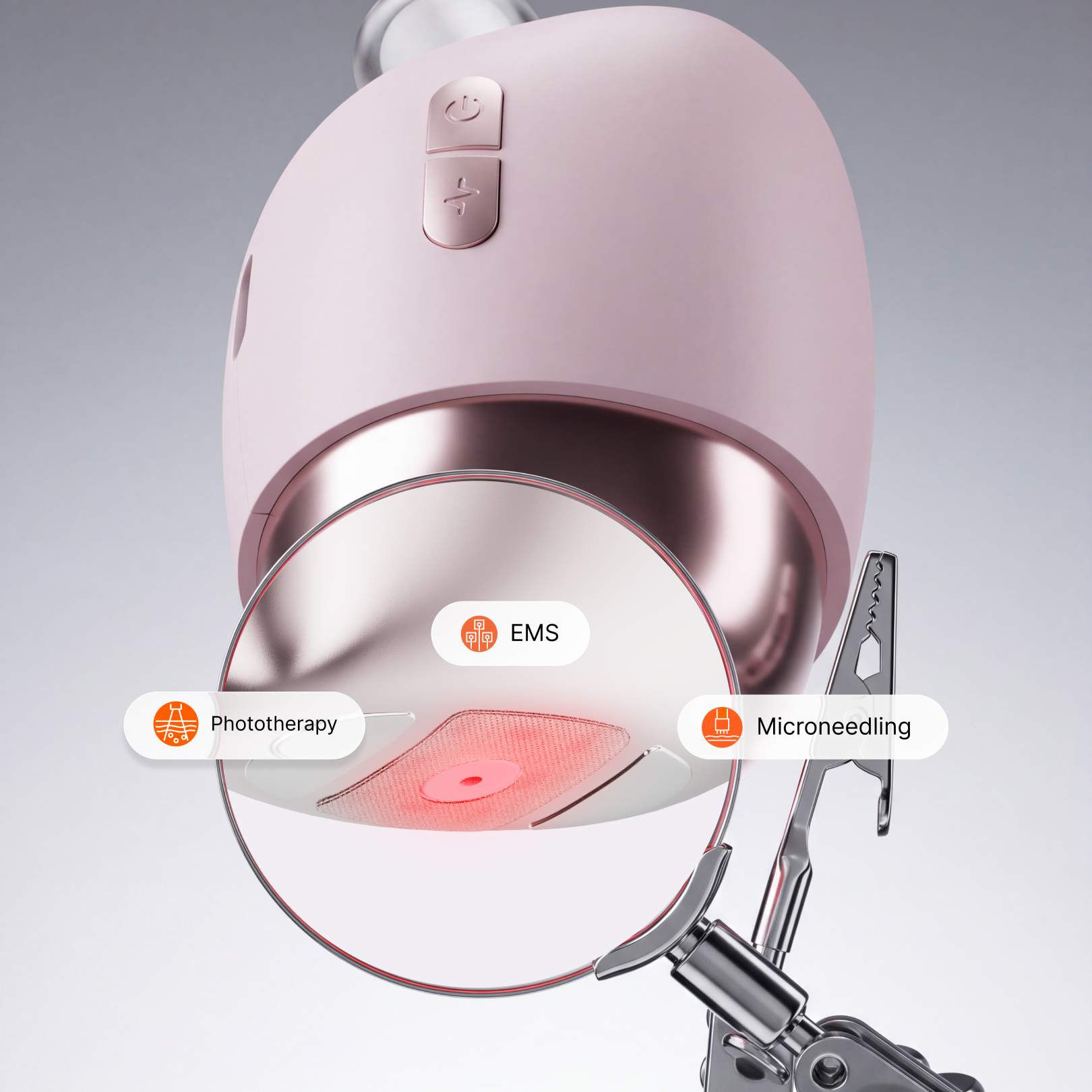
Nuon Medical is at the forefront of this innovation, combining advanced engineering with travel convenience. One prime example is their essential oil cap applicator, which integrates LED phototherapy with dual ceramic rolling beads set at an ergonomic 45-degree angle. Featuring flat-shoulder side grips and an integrated switch, it allows for precise, effortless control during application.
Furthermore, Nuon Medical has engineered dedicated sunscreen roller applicators designed to counter intense high-altitude rays. This device pairs phototherapy with automated micro-vibrations to spread thick formulas evenly across facial contours. These compact, airport-compliant tools enhance delivery without the need for bulky cords or external components.
When the cabin air is severely dry, oil glands often overproduce sebum to compensate for the lack of moisture. This excess oil then combines with surface bacteria, leading to the inflammation and sudden breakouts many experience after landing.
The lack of environmental humidity drains water from epidermal cells, while high-altitude UV rays cause significant oxidative damage. Together, these factors degrade structural collagen and weaken the skin barrier, accelerating the aging process during transit.
The applicators engineered by Nuon Medical are specifically designed for portability and are fully airport-compliant. Their cord-free, battery-operated design ensures you can maintain your routine mid-flight without searching for a power outlet.
Discover how Nuon Medical is redefining travel beauty by designing technology-integrated applicators that optimize every skincare routine for long-haul flights.
.svg)
.svg)

.svg)

.png)

.png)


.svg)

.svg)
.svg)
.svg)
.svg)
.svg)
.svg)
.svg)
.svg)

.svg)
.svg)


.svg)