Winter cosmetic development often anticipates dehydration but struggles with the unexpected sensitivity caused by freezing outdoor winds clashing with dry indoor heating. This rapid environmental fluctuation aggressively strips the skin of its protective lipids, resulting in a highly reactive and inflamed barrier.
When tissue is structurally compromised, heavy topical applications can sometimes exacerbate redness through physical friction and trapped heat. The skin requires an active mechanism to calm underlying inflammation before traditional moisture can be effective. This is how phototherapy can stabilize environmentally stressed skin. By delivering targeted optical energy to support cellular repair from within, phototherapy offers a non-invasive, friction-free method to soothe reactivity and reinforce barrier resilience.
Winter weather forces the epidermis to constantly adapt to environmental extremes. Moving repeatedly from freezing, biting outdoor winds to overheated, dry indoor spaces places immense mechanical and biological stress on the skin barrier. This rapid fluctuation acts like a sponge, pulling essential moisture and protective lipids directly out of the stratum corneum.
When the barrier loses its structural integrity, microscopic cracks form along the surface. These fissures allow environmental irritants to enter while letting vital hydration escape, resulting in a state of high reactivity. For those seeking a sensitive skin treatment, understanding this cycle is crucial. The skin is not just dry; it is structurally compromised. Over time, this constant environmental shock leads to chronic inflammation, uncomfortable tightness, and the persistent redness associated with winter sensitivity.
When treating sensitive skin during the harsh winter months, calming the underlying irritation is the first critical step. So, exactly what does red light therapy do? Phototherapy utilizes precise wavelengths of light that penetrate past the superficial layers of the epidermis to interact directly with the cellular mitochondria.
This optical energy acts as a powerful anti-inflammatory agent. By stimulating the cells, the light helps downregulate the production of pro-inflammatory cytokines, which are responsible for the painful swelling, stinging, and redness associated with temperature shock. Instead of relying on heavy chemical soothing agents that might trigger further reactivity, this gentle light therapy physically calms the tissue from within. The rapid reduction in deep tissue inflammation immediately alleviates the uncomfortable, flushed appearance of environmentally stressed skin.
A compromised barrier is the root cause of seasonal reactivity, meaning true recovery requires deep structural repair. Red light therapy excels at this by boosting the production of adenosine triphosphate (ATP), the primary energy source for cellular regeneration. With this increased energy, the skin is empowered to synthesize new structural proteins and essential lipids at an accelerated rate.
This biological boost helps patch the microscopic cracks formed by dry central heating and freezing winds. As the skin rebuilds its lipid matrix, it regains the ability to trap moisture internally and block out external irritants. By leveraging phototherapy to fortify the stratum corneum, the tissue transforms from a vulnerable, reactive state into a thick, resilient shield capable of withstanding severe winter environments.
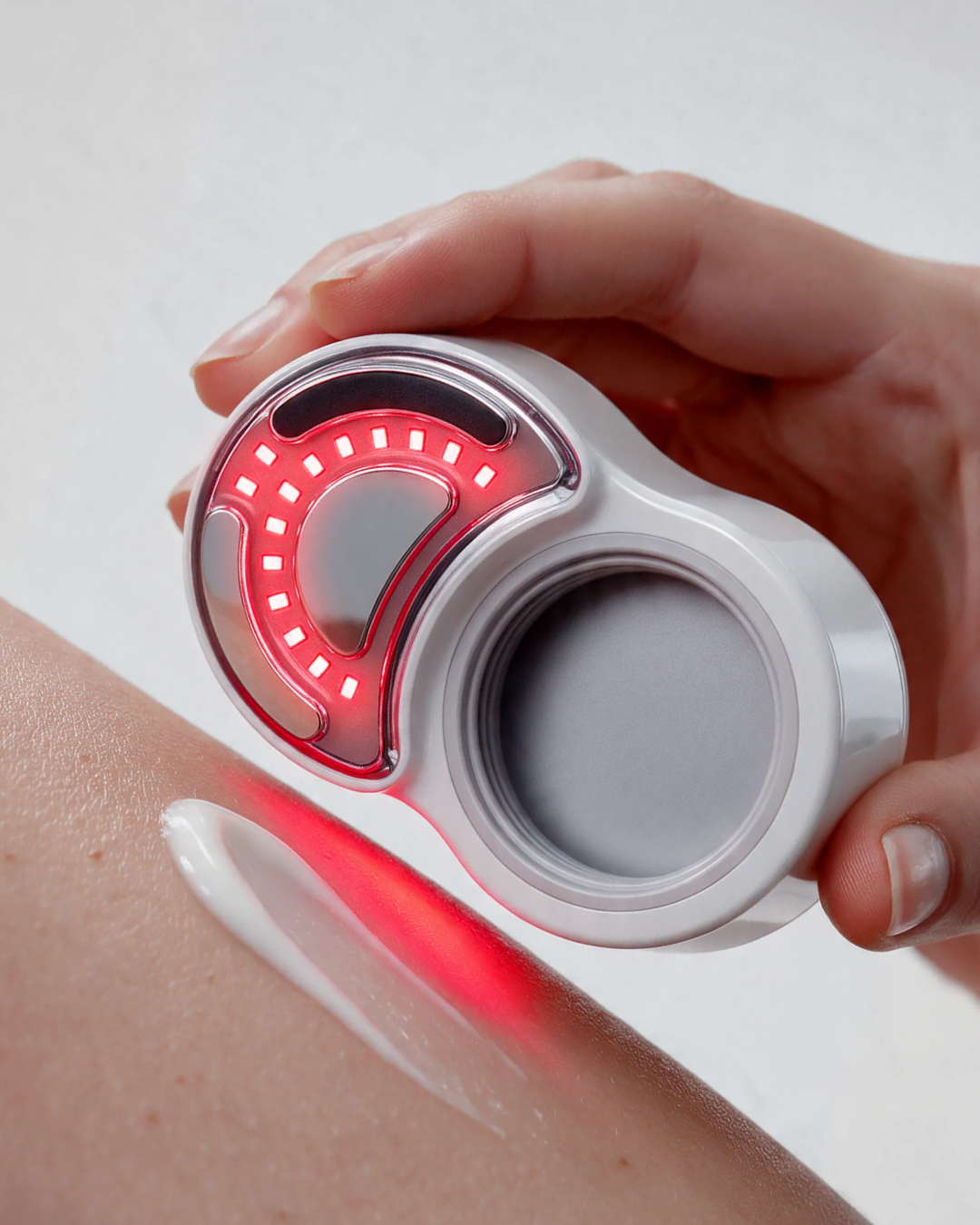
Individuals struggling with severe reactivity often hesitate to introduce new technologies into their routine. However, red light therapy for sensitive skin is exceptionally safe and well-tolerated. Unlike abrasive physical exfoliants or intense chemical peels, this modality is completely non-invasive and non-ablative. It does not generate thermal damage or physically strip the delicate outer layers of the tissue.
Instead, the specific wavelengths of light are absorbed seamlessly by the cells to promote healing without triggering trauma. Because it operates without friction or aggressive chemical interaction, it is one of the most gentle interventions available for compromised barriers. This makes it an ideal, soothing addition to any winter skincare regimen, allowing for consistent daily use without the risk of exacerbating existing irritation or redness.
Clinical research heavily supports the use of low-level light technology for repairing compromised and reactive tissue. A 2021 study evaluating the effects of phototherapy on skin barrier function demonstrated that specific wavelengths significantly accelerate the recovery of the stratum corneum.
Researchers observed that regular application of red light reduced transepidermal water loss (TEWL) and calmed inflammatory markers in subjects with highly sensitive, irritated skin. Furthermore, the clinical data highlighted a marked increase in the production of structural lipids and collagen density. The findings conclude that this optical energy effectively repairs environmental damage and soothes chronic reactivity. These evidence-based results validate that incorporating light-based treatments is a scientifically sound method for nursing fragile, winter-damaged skin back to a stable and healthy state.
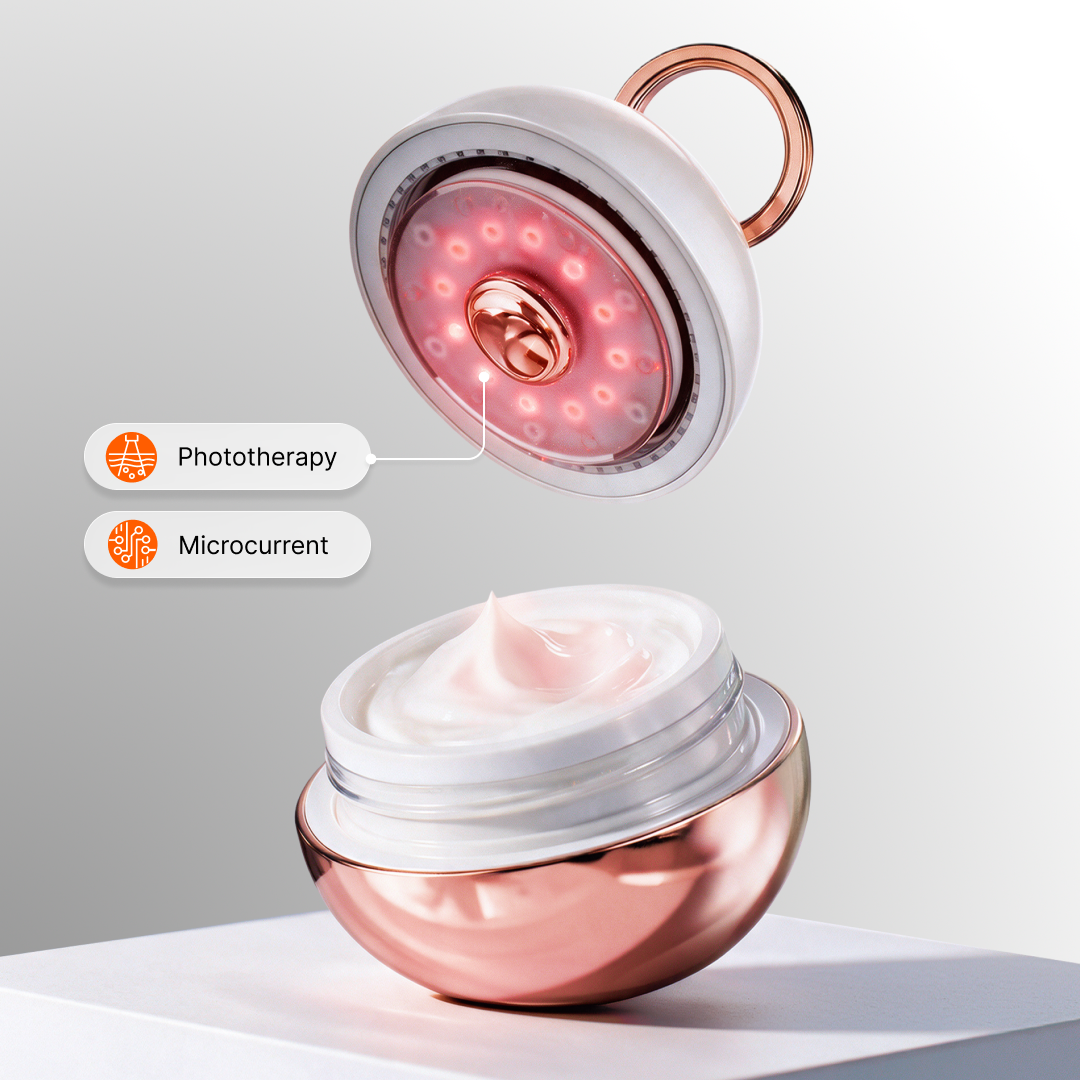
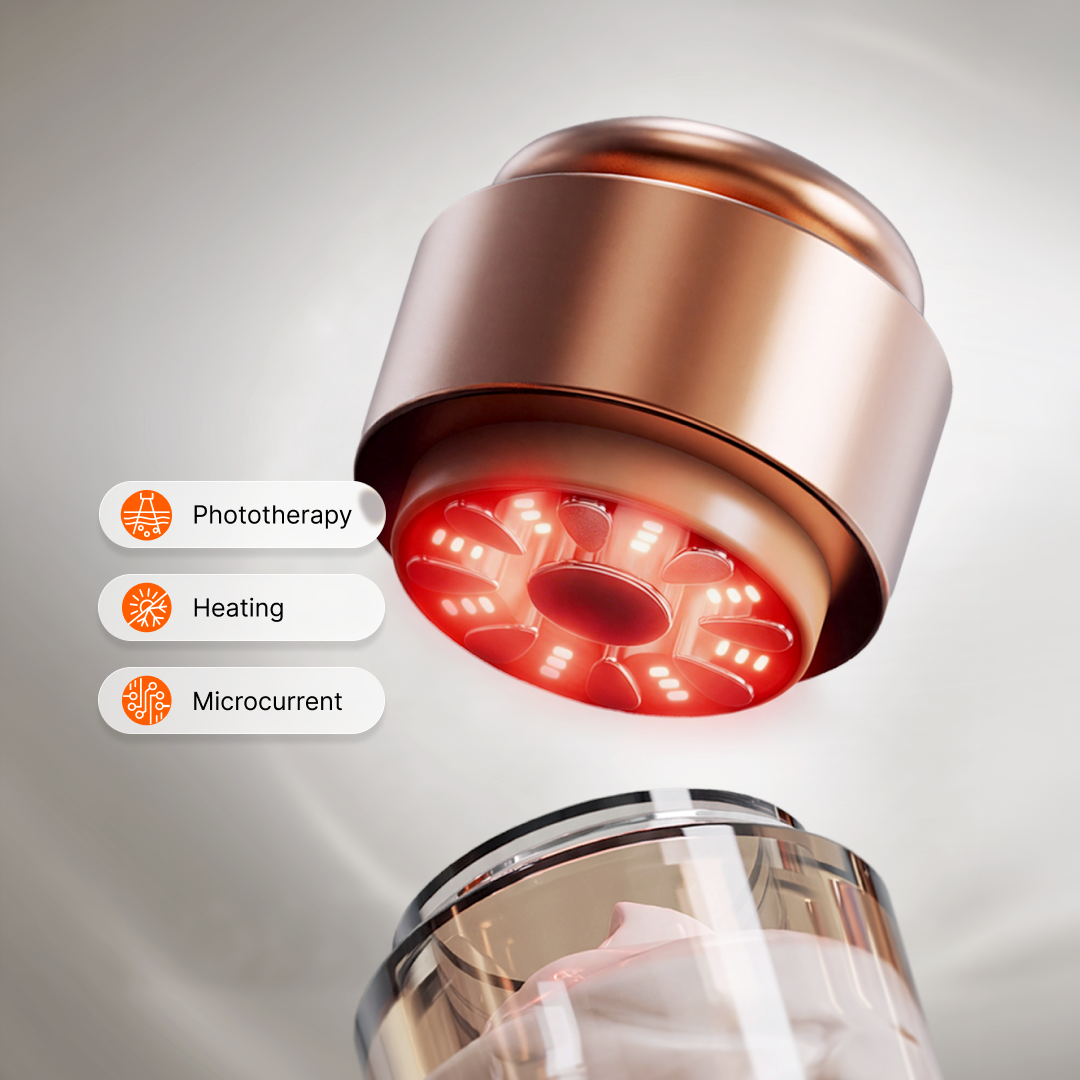
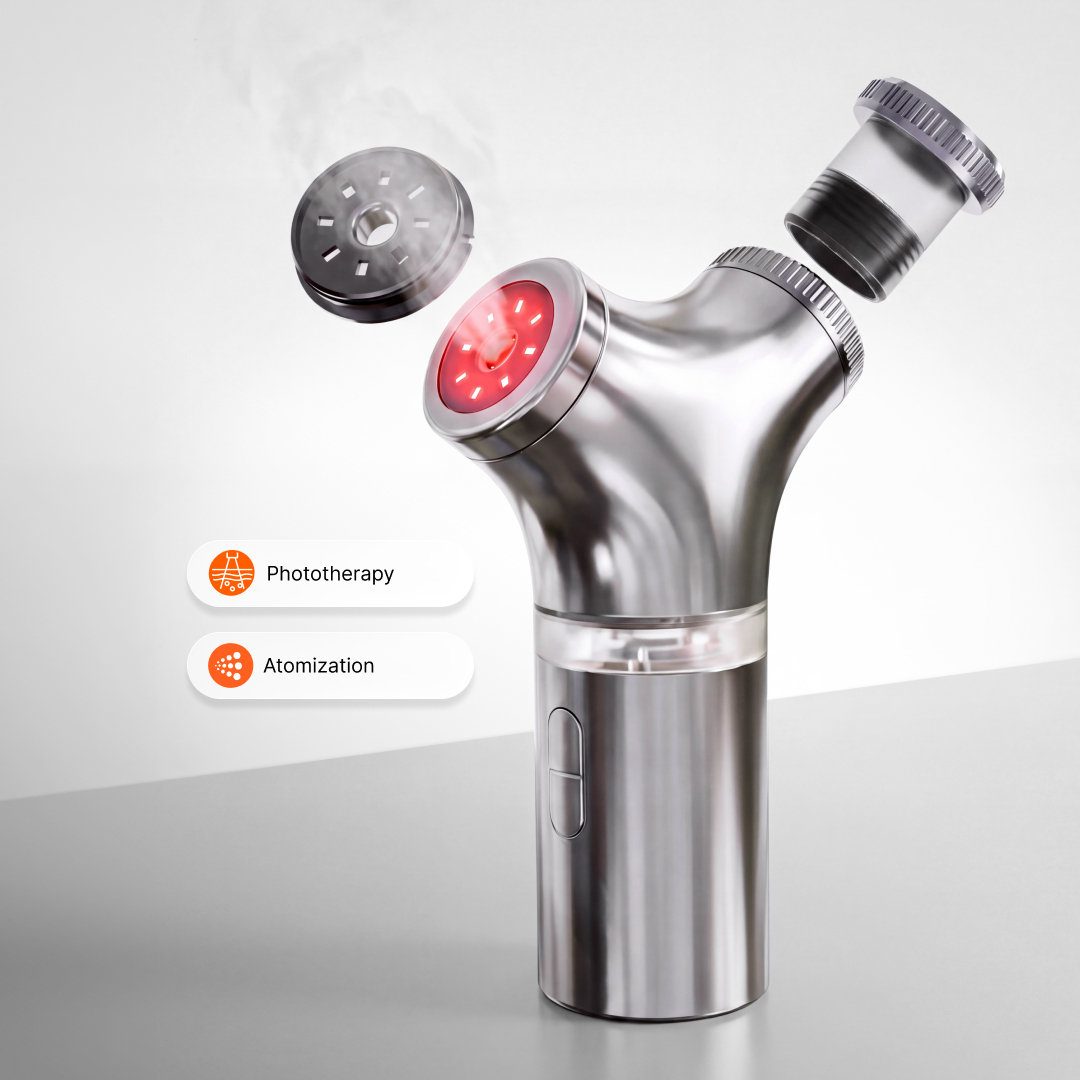
Nuon Medical designs intelligent packaging solutions that transform standard routines into comprehensive clinical-grade experience. A prime example is our advanced face cream applicator, which integrates seamlessly into the product's primary packaging. This multi-functional tool combines vibration massage, microcurrent, phototherapy, and thermal heating to soothe and repair sensitive winter skin during daily application.
Engineered for maximum hygiene and convenience, the design features a smart charging base built directly into the bottle. The microcurrent and charging contacts are ingeniously shared to maintain a sleek aesthetic. Furthermore, when the applicator is docked for charging, an integrated UV sterilization lamp automatically activates. This feature continuously sanitizes the facial contact surface, ensuring that highly reactive, sensitive skin is never exposed to external bacteria during the restorative treatment process.
What does red light therapy do for winter skin?
It penetrates the dermal layers to boost cellular energy, which accelerates barrier repair, reduces deep tissue inflammation, and calms the visible redness caused by extreme temperature fluctuations.
Can phototherapy replace my sensitive skin moisturizer?
No, it is designed to work in synergy with topical formulas. It repairs the structural barrier and reduces inflammation, allowing your moisturizing creams to absorb better and protect the skin more effectively.
Is the UV sterilization feature safe for sensitive skin?
Yes. The UV lamp operates only when the applicator is docked in its charging base, specifically sanitizing the device's contact surface. It ensures a bacteria-free application, which is crucial for preventing breakouts on reactive skin.
Discover how Nuon Medical can support your sensitive skin formulations.
Appendix: Internal Backlinks
Red Light-Integrated Skincare Applicators for Advanced Sun Care Repair