Winter environments present a physical challenge for cosmetic formulations. Cold weather physically hardens topical formulas and constricts skin, changing how products interact with the face. A sudden drop in surface temperature can make thick winter creams feel stiff and difficult to spread evenly, leading to inconsistent application and reduced absorption.
As formulation textures change in the cold, traditional application methods often fail to deliver the intended results. This shift highlights the importance of exploring The Role of Temperature in Skincare Delivery. By integrating thermal technology into the daily routine, it becomes possible to optimize the skin’s condition and restore the formula’s ideal viscosity.
Cold temperatures trigger an immediate biological response that limits how well the skin absorbs topical products. When exposed to freezing environments, blood vessels constrict to conserve body heat, significantly reducing microcirculation near the surface. This drop in circulation slows down cellular metabolism and makes the skin less receptive to active ingredients.
Furthermore, both the skin barrier and the skincare products themselves are physically altered by the cold. The skin's natural lipid layers stiffen and become rigid, creating a challenging environment for penetration. At the same time, the oils and waxes within topical formulas harden, causing thick winter creams to feel stiff and difficult to spread evenly. Instead of melting seamlessly into the epidermis, these hardened products often sit passively on the surface without adequate warmth to soften them or the skin's outer layer.
Introducing heat therapy in skincare provides a direct mechanical advantage for product absorption. Gentle warming increases the surface temperature of the skin, which naturally dilates local blood vessels and improves microcirculation. This enhanced blood flow creates a more dynamic, receptive environment for active ingredients to penetrate deeply into the epidermis.
Without this thermal support, heavy winter formulations often remain trapped on the outermost layer of the skin. Beyond the biological response, heat physically alters the cosmetic formula itself to improve delivery. Warmth softens the rigid lipid bonds in thick winter creams, melting them into a fluid consistency that spreads effortlessly.
This physical transformation ensures an even distribution across the face, preventing product buildup in isolated patches. By changing the viscosity of the formula, the applicator allows hydrating ingredients to perform efficiently at the cellular level.
Controlled warming acts as a critical priming step for advanced cosmetic modalities. When heat dilates capillaries and relaxes facial tissue, the skin becomes significantly more conductive. This thermal preparation is highly beneficial before introducing microcurrents, as the relaxed, hydrated tissue allows the gentle electrical pulses to travel more efficiently through the facial muscles.
A prepared surface reduces physical resistance, meaning the electrical stimulation can safely reach deeper structures to tone the face. Similarly, warmth prepares the skin for red light phototherapy. Improved blood flow ensures that oxygen and nutrients are readily available when light energy stimulates cellular mitochondria.
By boosting circulation first, heat maximizes the subsequent biological responses from these accompanying technologies. A technology-integrated applicator leverages this thermal priming to ensure that every function works in complete harmony for optimal structural repair.
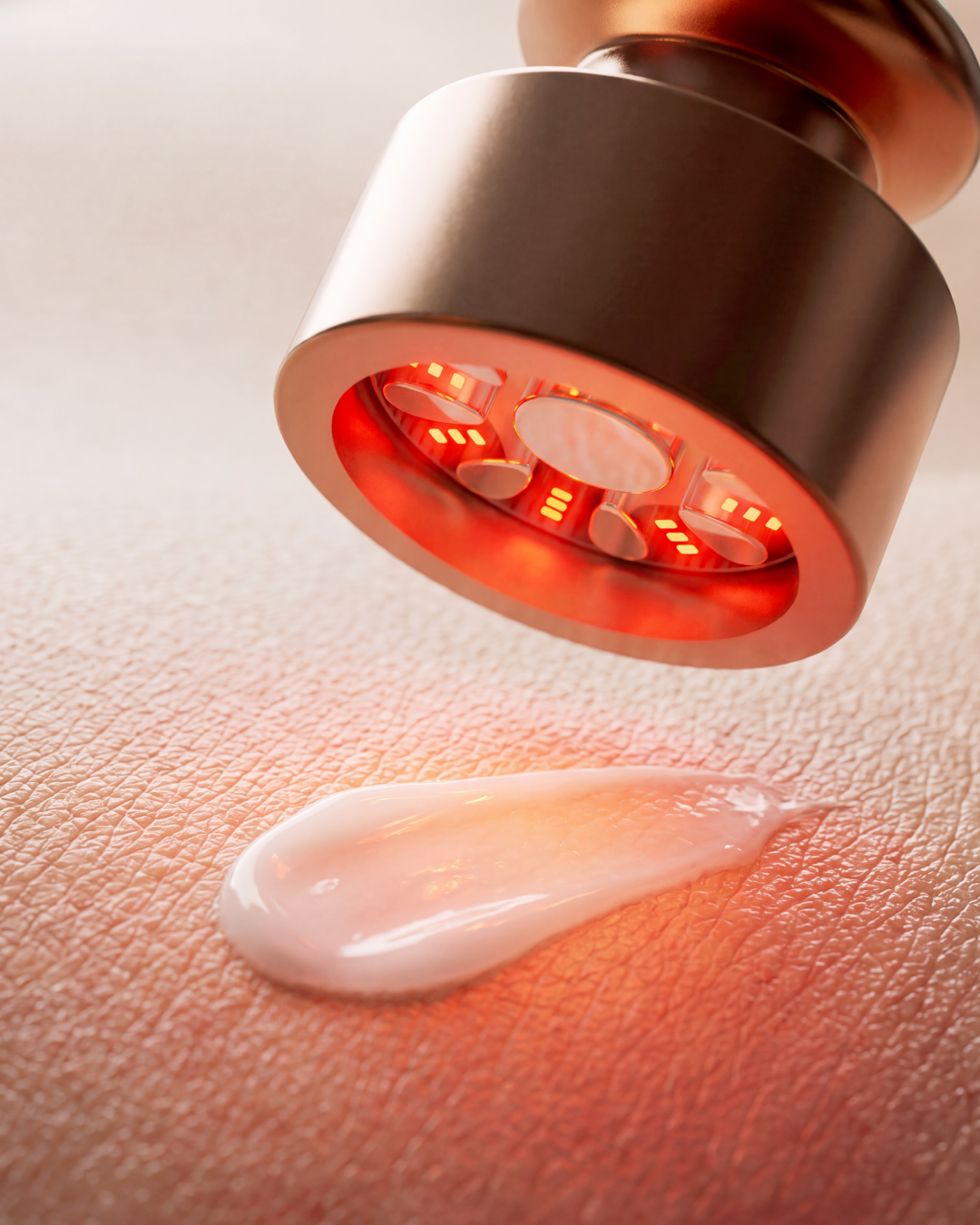
Alternating temperatures offer unique benefits for stressed winter complexions that endure constant environmental shifts. Combining cold and hot therapy creates a gentle pumping action within the vascular system. Warmth initially dilates the blood vessels to enhance ingredient absorption, preparing the tissue for deep nourishment.
Following this thermal activation, targeted cooling instantly constricts the capillaries. This sudden temperature drop helps to lock the active ingredients deeply into the skin and immediately reduces visible redness. These cold and heat treatments work synergistically to support a compromised skin barrier throughout the harsh winter months.
While heat primes and opens the skin, cold temperatures tighten the surface to restore firmness. This cooling phase is especially effective at reducing morning puffiness and soothing the inflammation caused by dry indoor heating and freezing outdoor winds.
Clinical research highlights the significant impact of temperature on dermatological health and product efficacy. A 2022 study evaluating winter skin conditions show that prolonged exposure to cold air sharply increases transepidermal water loss while decreasing overall stratum corneum hydration. Low temperatures alter the organization of epidermal lipids, making the barrier more brittle and less permeable to topical treatments.
A 2008 study observing cosmetic application in cold climates found that raising the skin's surface temperature by just a few degrees significantly accelerates the diffusion rate of active molecules. These findings confirm that mechanical thermal support is often necessary to overcome the barrier dysfunction universally experienced during the winter months.
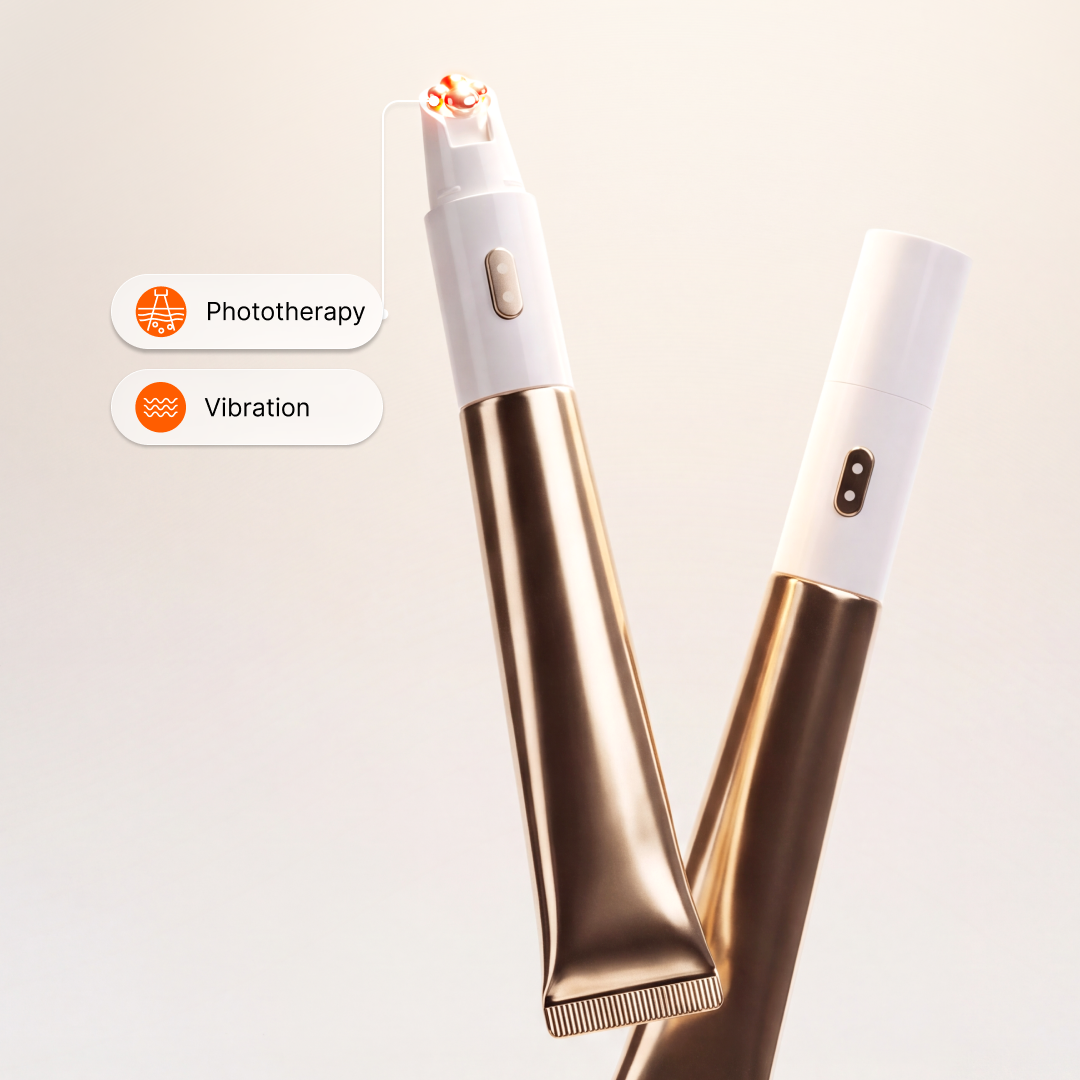
Nuon Medical engineers packaging that actively supports winter cosmetic performance. A prime example is a technology-integrated applicator for face cream designed with a sophisticated stamp-like appearance. To use the product, the consumer simply twists off the cap to access the formula.
Pressing the button located at the top of the stamp activates the integrated skincare technology. This specific design houses three distinct functions: controlled heating, microcurrents, and light therapy. As the applicator glides over the face, the heating element softens the cream, while microcurrents and light therapy simultaneously support cellular health and tissue toning.
Why do creams feel different in the winter?
Cold temperatures cause the oils and lipids within cosmetic formulas to physically harden. This drop in temperature makes the texture stiffer, causing the product to spread unevenly and absorb more slowly than it would in warmer environments.
Is heat therapy in skincare safe for daily use?
Yes, when engineered correctly. Modern applicators use controlled, low-level heat that gently warms the epidermis without causing burns or heat damage, making them perfectly safe for regular daily application.
How do hot and cold temperatures benefit the skin?
Alternating temperatures create a vascular flush within the tissue. Heat opens the skin for better absorption and circulation, while cold instantly tightens the surface to lock in formulas and reduce visible redness and puffiness.
Discover how advanced temperature control can elevate your next cosmetic formulation. Explore innovative applicator solutions with Nuon Medical.