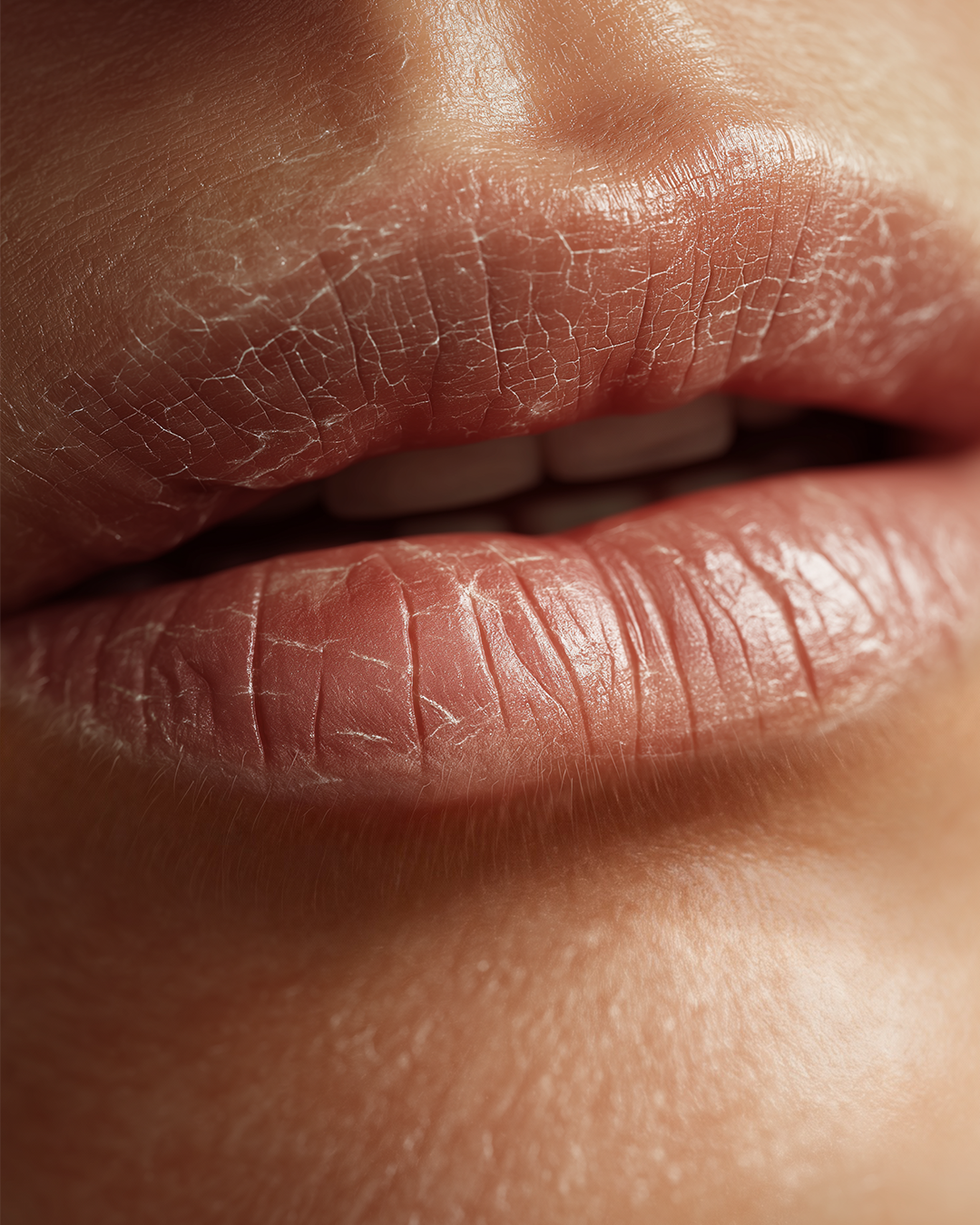
Lip tissue is structurally different from facial skin, and this difference shapes almost every lip concern consumers experience. The vermilion border contains a stratum corneum only a few cell layers thick, compared with 15+ layers in typical skin. With no sebaceous or sweat glands, lips cannot replenish oils or form an occlusive moisture barrier on their own. They also contain fewer melanocytes, making them more vulnerable to UV damage and environmental stress.
This combination leads to rapid transepidermal water loss (TEWL), chronic dryness, visible scaling, and tissue fragility. Mechanical movement from eating and speaking creates continual micro-trauma. Low vascular support in dry, damaged lip tissue further slows recovery. These biological constraints are the reason many topical lip treatments underperform: even high-quality actives struggle to penetrate or remain long enough on the surface to repair a compromised barrier.
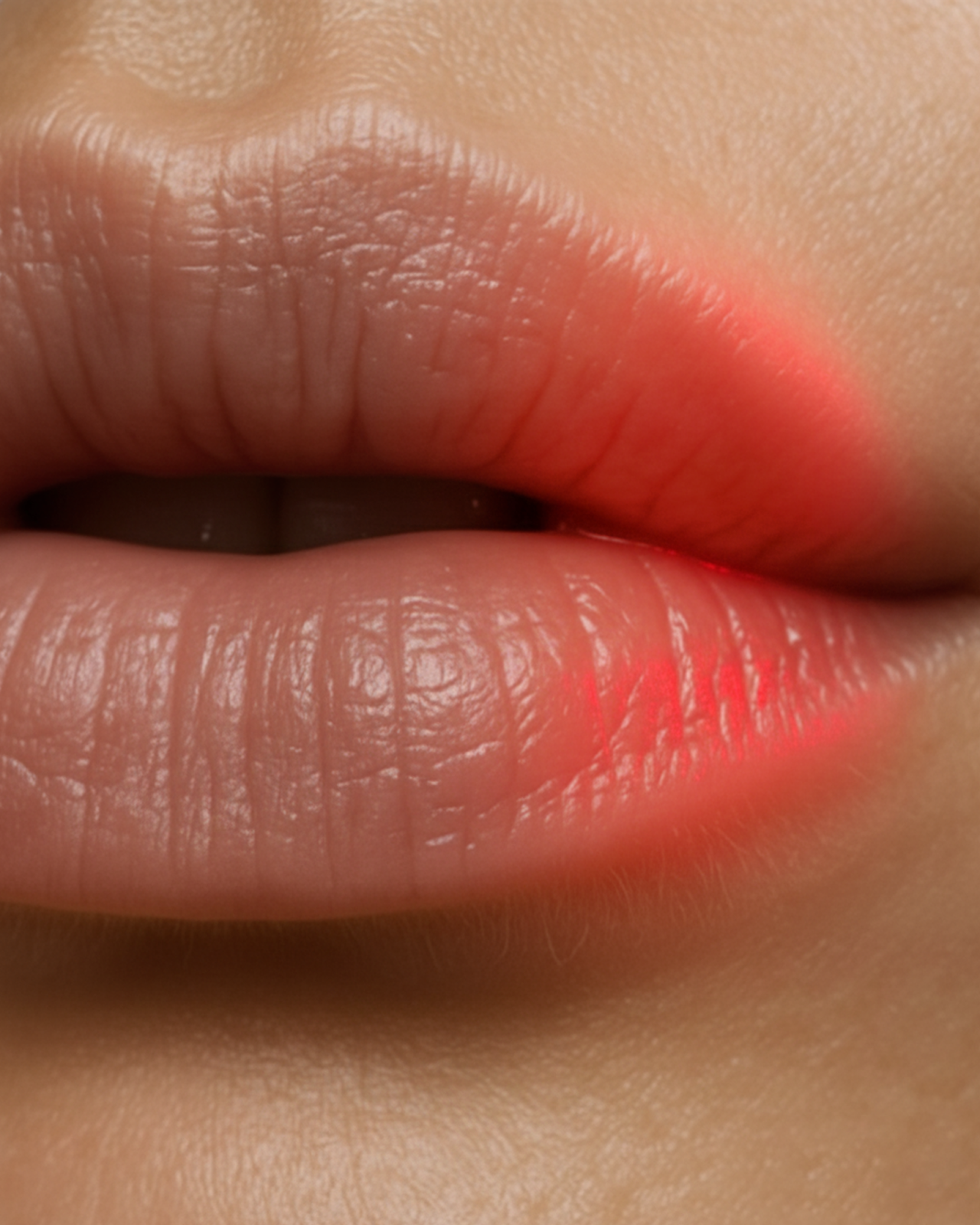
For these reasons, lip care requires interventions that do more than coat or hydrate. It needs biological stimulation—something that can improve tissue metabolism, structure, and recovery. This is where photobiomodulation (PBM), specifically red and near-infrared LED therapy, becomes relevant.
Photobiomodulation uses low-energy red and NIR wavelengths to activate cellular photoreceptors, particularly cytochrome c oxidase within mitochondria. When this enzyme absorbs red or NIR light, ATP production increases. In lip tissue, where metabolic activity is critical for healing and barrier rebuilding, improved ATP availability is especially beneficial.
Although lip skin is thin, it contains fibroblasts, endothelial cells, and immune cells—the same cellular actors responsible for repair in facial skin and oral mucosal tissue. Red and NIR wavelengths penetrate sufficiently to reach these cells. The result is a biochemical cascade that supports collagen production, better microcirculation, reduced inflammation, and faster epithelial turnover.
Because the lips lack glands and rely heavily on efficient cellular repair, PBM’s mechanism is uniquely well-matched to lip needs. Where a hydrator or balm may temporarily relieve dryness, light therapy supports the biological conditions required for healthier, more resilient lip tissue over time.
Red light (630–660 nm)
Penetrates 1–3 mm, reaching the full thickness of lip epidermis and superficial dermis. Supports collagen synthesis, angiogenesis, and barrier repair—three functions directly tied to lip fullness, smoothness, and hydration.
Near-infrared light (810–850 nm)
Penetrates deeper and modulates inflammation, circulation, and tissue repair pathways. For lip health, NIR is valuable in accelerating recovery from chapping, trauma, or micro-fissures.
Blue light (~415 nm)
Superficial, antimicrobial, and occasionally used for bacterial concerns. Limited relevance for hydration or rejuvenation, but may support management of surface-level lip inflammation or microbial load around cracks or sores.
Because lip skin is thin, red light alone is often sufficient to reach target structures. Combining red and NIR can support deeper repair, particularly when dealing with severe dryness or inflammatory conditions.
Lips lose water more rapidly than any other visible skin surface, especially during winter. The barrier recovers slowly, and common behaviors—talking, eating, licking—disrupt healing. PBM supports this by accelerating keratinocyte proliferation and migration, helping rebuild a functional protective layer.
Research on epidermal barrier recovery shows that red light can expedite the restoration of barrier integrity after disruption. Applied to the lips, this means improved ability to retain moisture, fewer episodes of acute chapping, and better tolerance of environmental exposure. This is particularly useful in climates with low humidity or cold air, where lips typically deteriorate quickly.
Fine perioral lines and internal lip creasing are driven by collagen loss, repetitive motion, and dehydration. Red and NIR wavelengths stimulate fibroblasts to increase collagen and elastin production. For lip tissue, this translates to:
Because lips are highly mobile, improved elasticity reduces micro-cracking and helps maintain a more uniform surface even with constant movement.
Light therapy induces vasodilation and angiogenesis—formation of new capillaries. Increased blood flow improves oxygenation and nutrient delivery. On lips, this results in:
Unlike topical plumpers that rely on irritants, PBM supports physiological fullness without causing burning or swelling.
Lips frequently experience micro-injury: fissures, peeling, sunburn, or inflammatory cheilitis. Red and NIR PBM decrease pro-inflammatory cytokines while increasing growth factors important for wound closure. Evidence from oral mucosal studies—where tissue is even more delicate than lips—demonstrates faster epithelial repair, reduced pain, and shorter healing times under PBM.
This indicates strong potential for daily LED use in lip repair routines, especially for chronic dryness, exposure-driven cracking, or healing after cosmetic procedures.
When used immediately before or after applying lip treatments, LED therapy can:
Brands exploring treatment-grade results in consumer formats increasingly rely on pairing red light with formulations, especially those containing humectants, peptides, or ceramides designed to support the barrier.
Lips are an area where traditional topical-only strategies often fall short. PBM adds value because:
From a product development perspective, these characteristics make light therapy a compelling addition to lip treatments aimed at hydration, rejuvenation, repair, and cosmetic enhancement.
A major shift in the industry is the integration of LED therapy directly into packaging—transforming lip balms, serums, and glosses into treatment devices.
Active applicators embedded with red LEDs serve two functions:
From an engineering perspective, the thin geometry of lip applicators pairs well with low-power LEDs. Red wavelengths are efficient, safe, and require minimal heat management. For brands, this means LED-enabled lip packaging can be developed without major changes to form factor, ergonomics, or user experience.
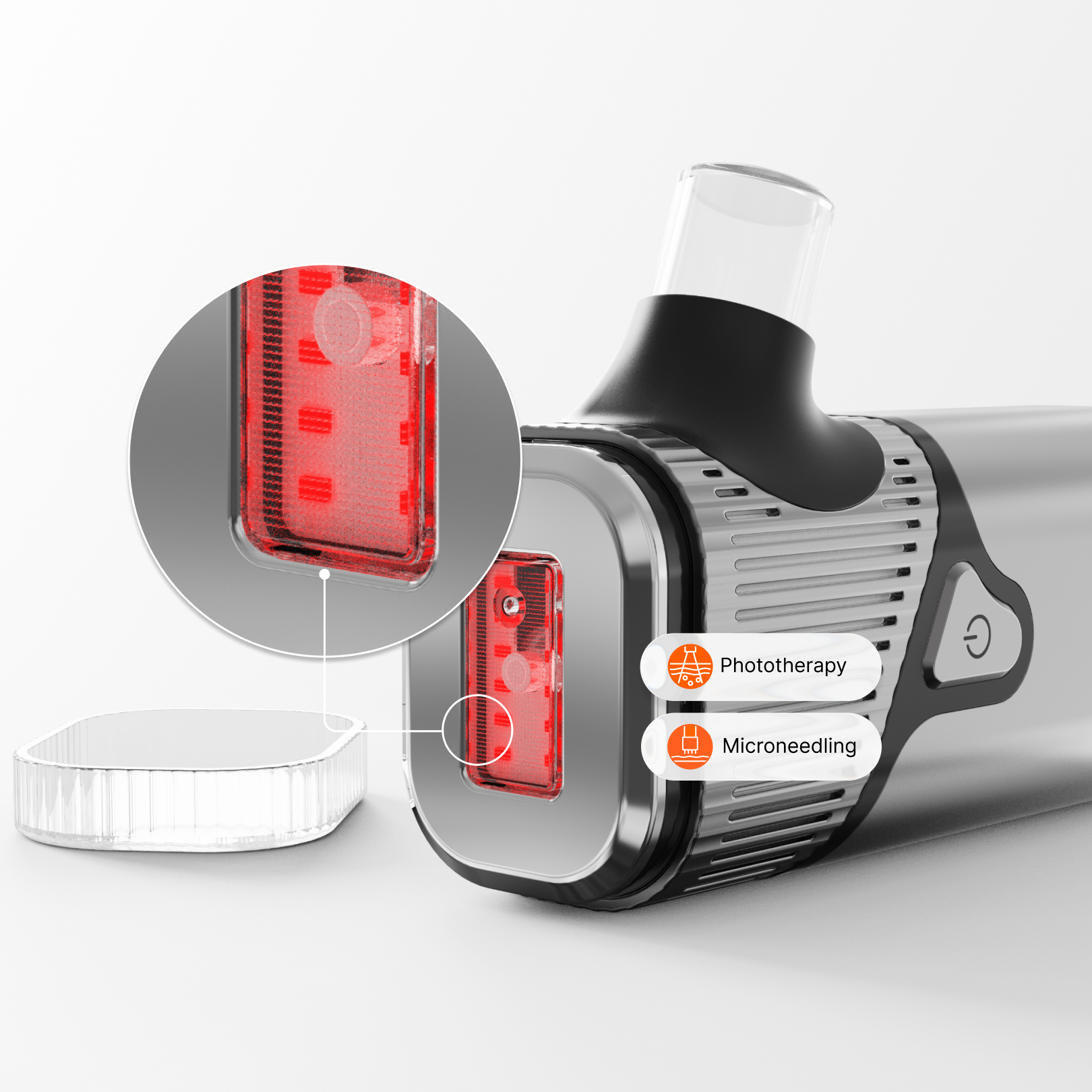
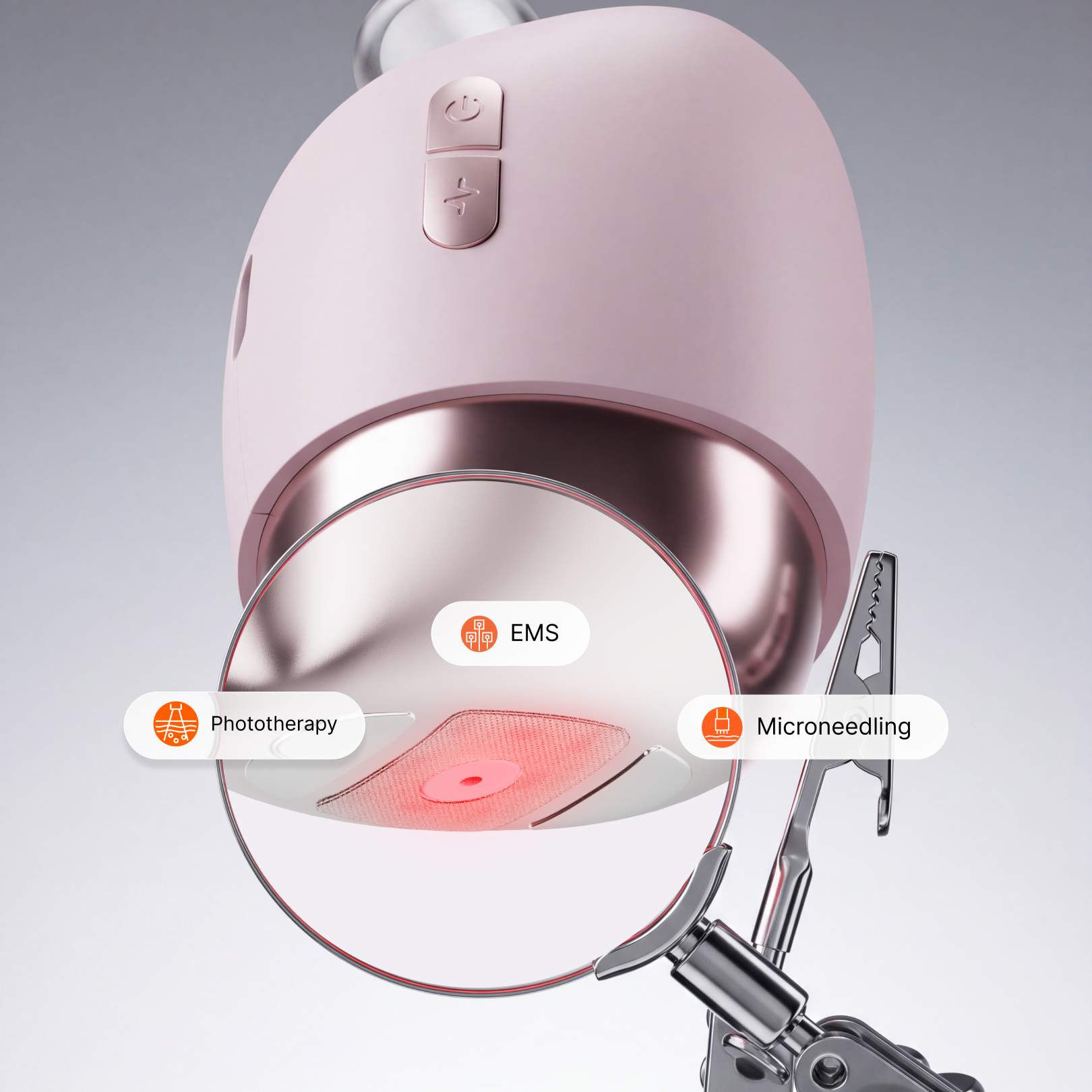
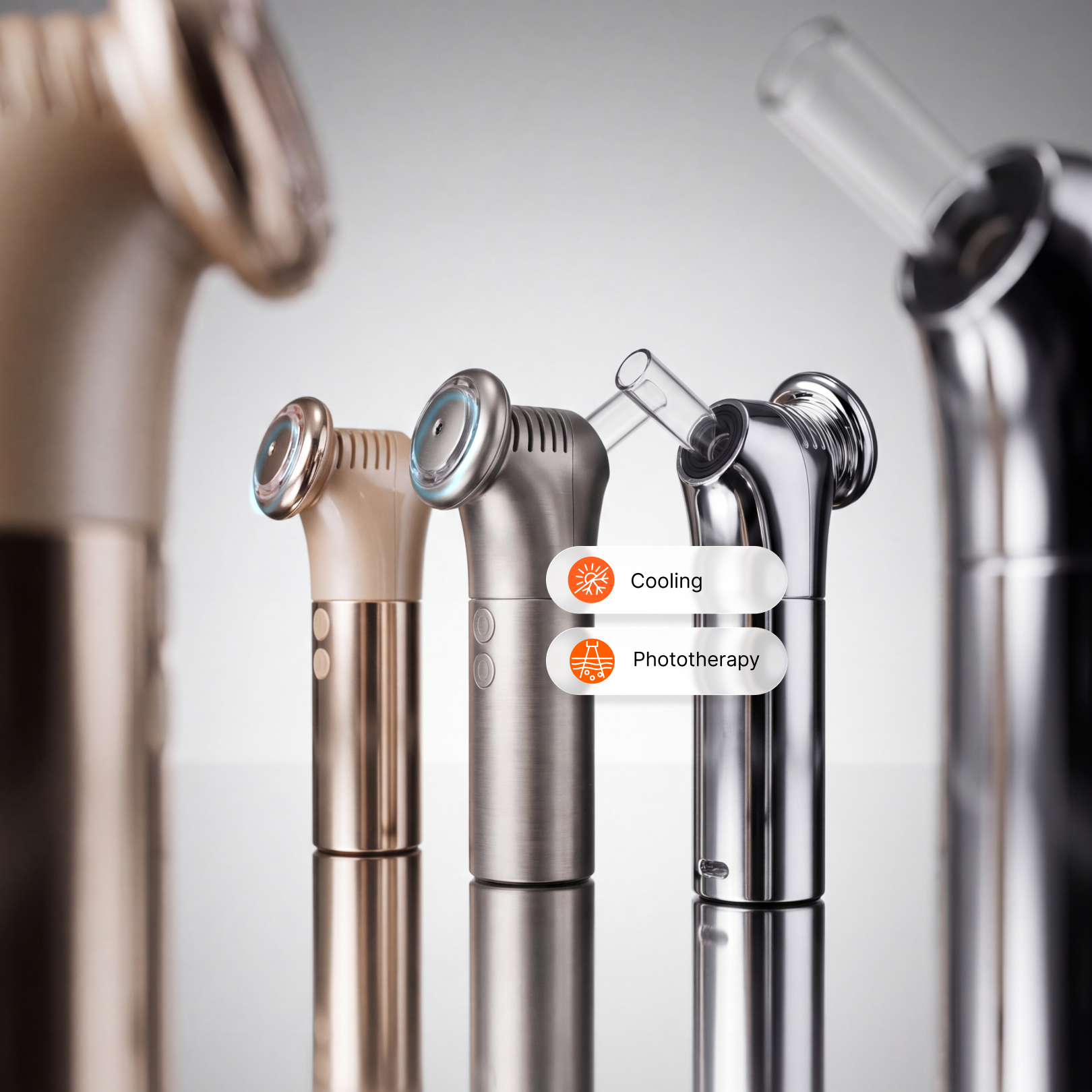
Nuon Medical works on integrating LED modules into caps, tube heads, and all types of applicators demonstrates how treatment-grade technology can live inside standard cosmetic packaging without compromising manufacturability. This opens a new category of claims and performance benefits grounded not in marketing language, but in measurable biological mechanisms.
As clinical understanding expands and packaging technology becomes more sophisticated, PBM is poised to reshape lip treatment categories. Brands can move beyond short-lived hydration promises toward solutions that improve the underlying biology of the lips:
For innovation teams, adding LED therapy is not merely aesthetic—it creates genuine functional differentiation supported by science.
.svg)
.svg)

.svg)

.png)

.png)


.svg)

.svg)
.svg)
.svg)
.svg)
.svg)
.svg)
.svg)
.svg)

.svg)
.svg)


.svg)